
Search
Showing results for "Childhood interstitial lung disease "
The use of low dose CT (LDCT) chest is becoming more widespread in occupationally exposed populations. There is a knowledge gap as to heterogeneity in severity and the natural course of asbestosis after low levels of exposure. This study reports the characteristics of LDCT-detected interstitial lung abnormalities (ILA).
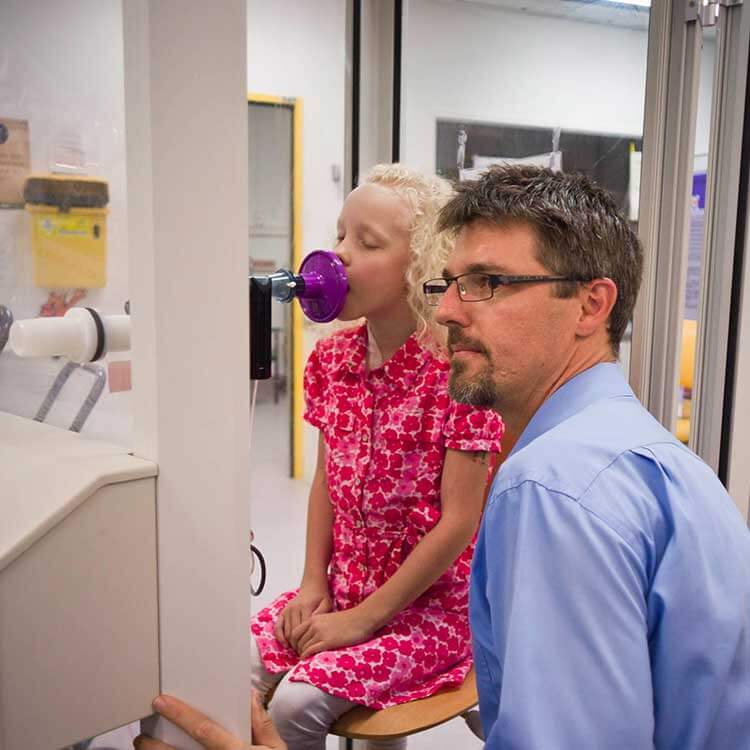
New research from Perth’s The Kids Research Institute Australia shows that babies born premature continue to have lung problems well into childhood.
This is a case of ABCA3 lung disease that demonstrated improvement after systemic glucocorticosteroid administration
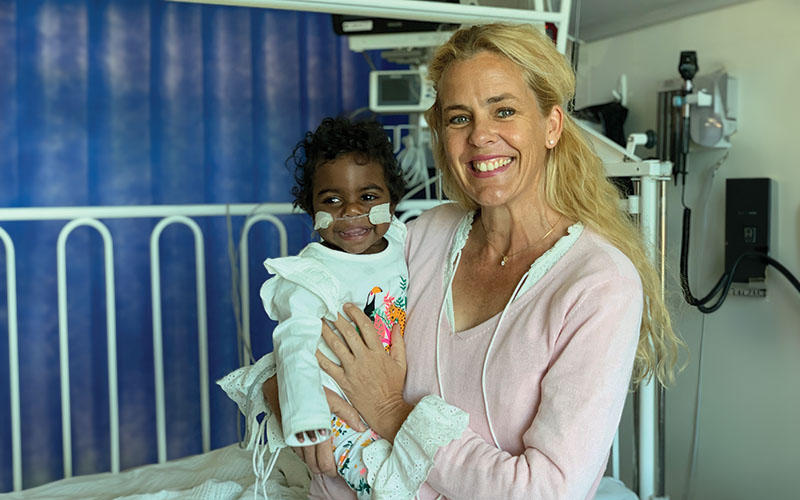
Culturally secure intervention to facilitate medical follow up for Aboriginal children, after being hospitalised with chest infections, have proven to improve long-term lung health outcomes.
The Kids research has uncovered likely mechanisms for the link between arsenic in drinking water and higher risk of developing chronic lung disease.
This paper is about lung disease in patients with cyctic Fibrosis and prevention strategies to slow the onset of lung disease.
Preterm birth is associated with lifelong respiratory sequelae, yet our understanding of lung function trajectories across the lifespan remains limited. We aimed to identify patterns of spirometry development from childhood to early adulthood in survivors of very preterm birth using novel data-driven methods.

The potential of antisense oligonucleotide therapies for inherited childhood lung diseases Antisense oligonucleotides (AOs) are an emerging
Lung function trajectories are impaired in survivors of very preterm birth
To obtain comprehensive data on lung structure and function in mid-childhood from survivors of preterm birth.