
Search
Children with Developmental Coordination Disorder (DCD) experience difficulties performing fundamental movement skills, resulting in reduced physical activity (PA). Given low PA can impact mental and physical health, improving PA in DCD appears imperative. This study investigates the feasibility of a Facebook delivered, parent mediated, PA intervention for children with DCD.
As families increase their use of mobile touch screen devices (smartphones and tablet computers), there is potential for this use to influence parent-child interactions required to form a secure attachment during infancy, and thus future child developmental outcomes. Thirty families of infants (aged 9-15 months) were interviewed to explore how parents and infants use these devices, and how device use influenced parents' thoughts, feelings and behaviours towards their infant and other family interactions.
Early childhood is a critical window for preventing obesity and chronic disease. Yet, 1 in 4 Australian children aged 5 years and under are affected by overweight or obesity; and significant proportions of children under 5 years fail to meet guidelines for diet quality, physical activity (PA), screen time, and sleep.
Mobile touch screen devices (smartphones and tablet computers) have become an integral part of many parents’ and children’s lives, with this interaction linked to physical, mental and social outcomes. Despite the known importance of parent-child attachment, evidence on the association between device use and attachment was yet to be reviewed.
Physical activity is essential for children’s healthy development, yet COVID-19 physical distancing restrictions such as school closures and staying at home, playground closures, and the cancelling of organised community sport have dramatically altered children’s opportunities to be physically active. This study describes changes in levels of physical activity and screen time from February 2020 (i.e., before COVID-19 restrictions were introduced in Western Australia) to May 2020 (i.e., when COVID-19 restrictions were in place). Parents of children aged 5 to 9 years from Western Australia were eligible to participate and recruited through convenience sampling.
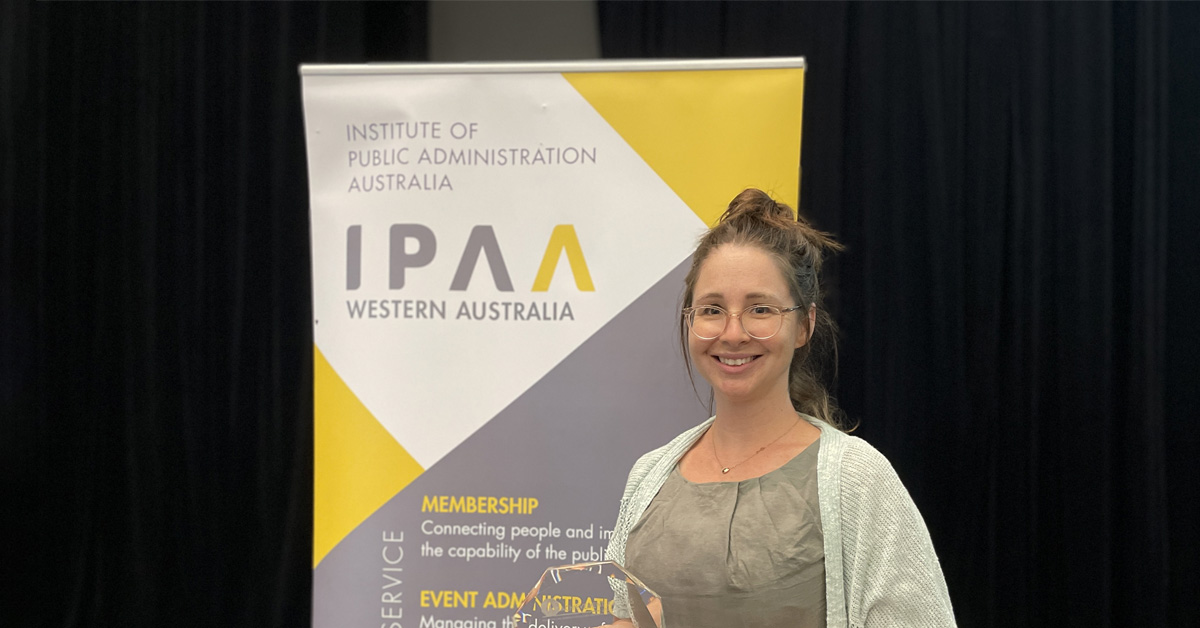
The Kids Research Institute Australia researchers who worked with young people to develop an app designed to help teenagers stay safe in the sun have been named joint winners of a new award for ‘Best Practice in Children’s Consultation’.
The generous support of West Australians through Channel 7’s Telethon Trust will help support crucial child health research at The Kids Research Institute Australia in 2022.
Behavioural sleep problems are common in children. The challenges with establishing and maintaining good sleep hygiene may prove challenging to overcome based on environmental issues such as the liberal availability of electronic media from a young age, permissive parenting, difficult family dynamics and limited parental/carer understanding of a child's sleep needs as they progress through childhood and adolescence.

The Kids Research Institute Australia cyber safety expert Professor Donna Cross says parents should use the ‘three C’s’ to help keep their children safe online.
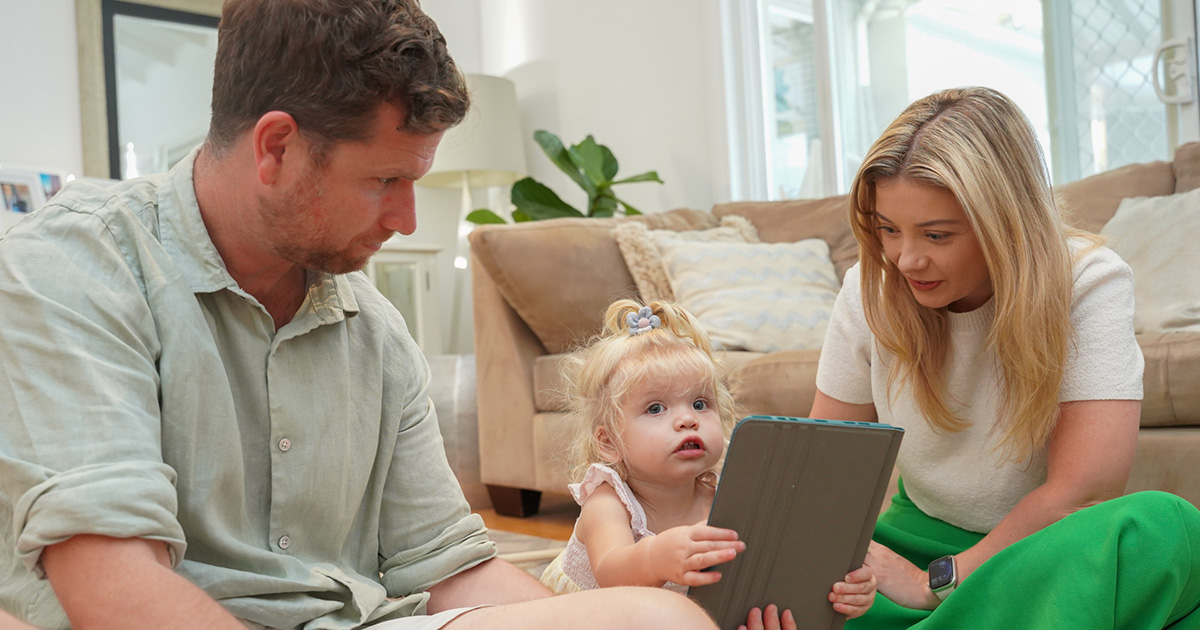
A first-of-its kind study has found that for every minute of screen time toddlers are exposed to at home, they hear fewer adult words, make fewer vocalisations and engage in fewer back-and-forth conversations with their parents.