
Delivering cancer control at scale for Aboriginal and Torres Strait Islander communities is a national priority that requires Aboriginal and Torres S…
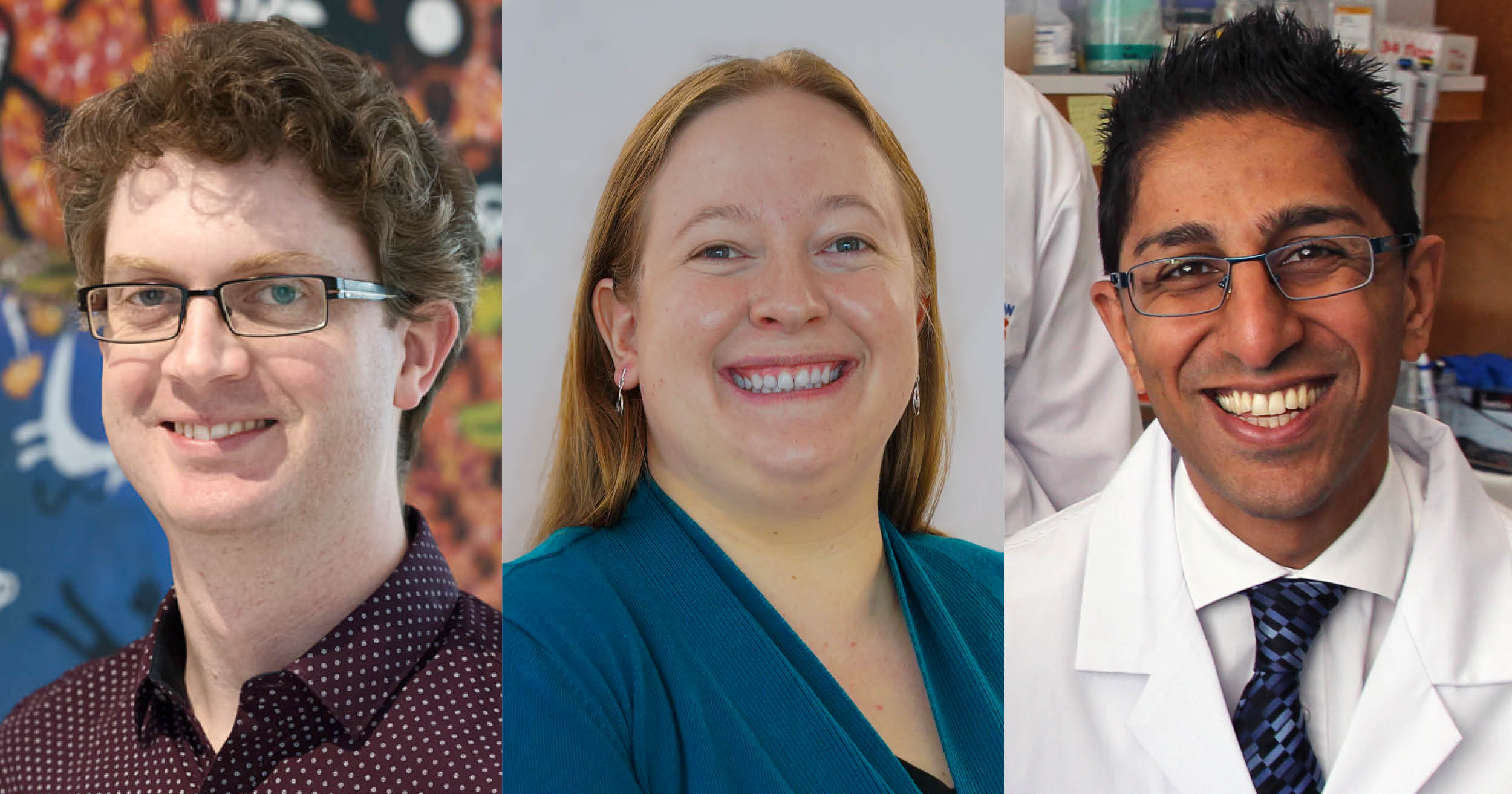
Congratulations to three outstanding The Kids Research Institute Australia researchers who have received second chance WA health funding designed to…
To assess the level of financial toxicity of informal caregivers of colorectal cancer patients and explore the related key influencing factors.
To assess the level of supportive care needs of caregivers of colorectal cancer patients and explore the related key influencing factors. Totaling 28…
This study aimed to investigate the influence factors of financial toxicity experienced by colorectal cancer patients after surgery. The results will…
Whereas CD4+ T cells conventionally mediate antitumor immunity by providing help to CD8+ T cells, recent clinical studies have implied an important r…
This study investigates the interaction between caregiver burden, mutuality, and family resilience in colorectal cancer management, and determines wh…
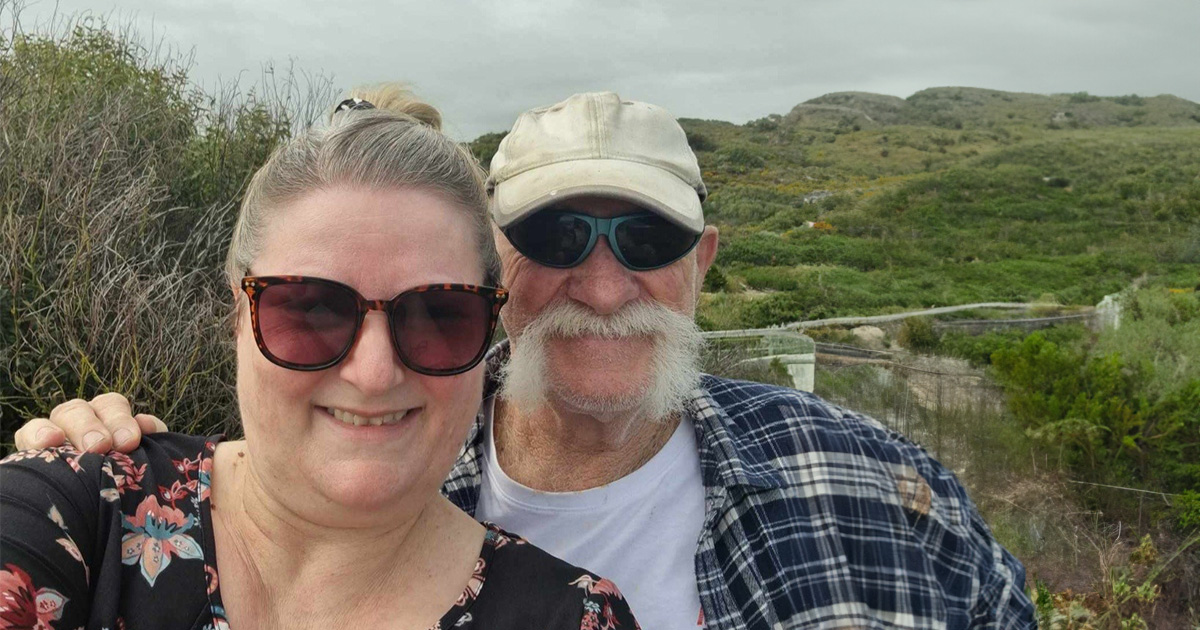
It was during a time of grief that John Mearns was inspired to make a difference.

Several The Kids Research Institute Australia researchers will share in more than $7.5 million in prestigious Investigator Grants to pursue a range o…
Esophageal squamous cell carcinoma (ESCC) is a prevalent malignant tumor of the digestive tract with a low 5-year survival rate due to the lack of ef…