
Search
Showing results for "aboriginal respiratory"
More than 30 years of research into the links between folate and neural tube defects has paid off for The Kids Research Institute Australia researcher Professor Carol Bower.
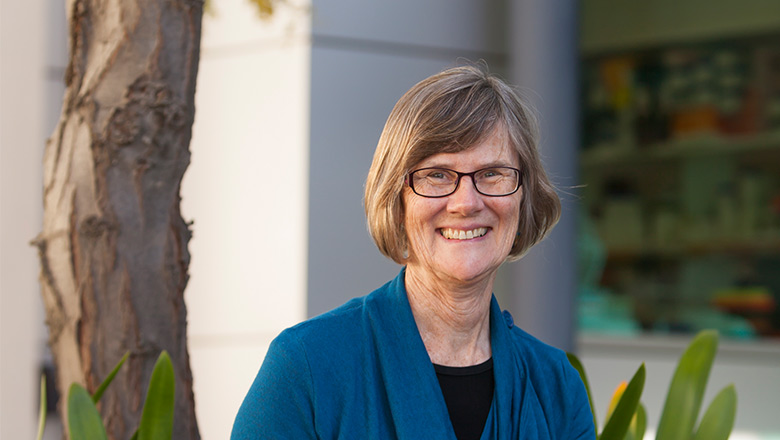
After 30 years of hard work, The Kids Research Institute Australia researcher Carol Bower is celebrating the final confirmation of all that she ever dared hope for.
Tom Snelling BMBS DTMH GDipClinEpid PhD FRACP Head, Infectious Disease Implementation Research 08 6319 1817 tom.snelling@thekids.org.au Head,
This is a PhD Scholarship to undertake research in collaboration with The Kids Research Institute Australia and Curtin University
We found no evidence for a difference in the timing of the laryngeal mask airways removal on the incidence of respiratory adverse events
Determine whether inhaled albuterol sulfate (salbutamol sulfate) premedication decreases the risk of perioperative respiratory adverse events
Rates of several vaccine preventable diseases, and associated hospitalisation, are higher among Aboriginal and/or Torres Strait Islander children than non-Indigenous children. Western Australia has among the lowest childhood vaccine coverage in Australia, particularly among Aboriginal and/or Torres Strait Islander children. Delayed vaccination is also more common in this population. This project aimed to understand the barriers and facilitators to vaccine uptake and timeliness among Aboriginal and/or Torres Strait Islander children aged under five years in Boorloo (Perth).
Graham Ingrid Shannon Hall Laing Simpson BAppSci PhD CRFS FANZSRS FThorSoc FERS BSc PhD BMedSci (hons), PhD Honorary Research Associate Head,
Improved public health measures targeting bacterial skin infections are needed to reduce this high burden of skin infections in Western Australia
Diarrhoeal disease is the second leading cause of death in children under 5 years globally, killing 525 000 annually. Australian Aboriginal and Torres Strait Islander (hereafter Aboriginal) children suffer a high burden of disease.