
Search
Showing results for "Childhood interstitial lung disease "
Staphylococcus aureus (S. aureus) infections are notoriously complicated by the ability of the organism to grow in biofilms and are difficult to eradicate with antimicrobial therapy.
This study investigated the potential of using SARS-CoV-2 viral concentrations in dust as an additional surveillance tool for early detection and monitoring of COVID-19 transmission. Dust samples were collected from 8 public locations in 16 districts of Bangkok, Thailand, from June to August 2021.
High population density and tourism in Southeast Asia increase the risk of mpox due to frequent interpersonal contacts. Our wastewater surveillance in six Southeast Asian countries revealed positive signals for Monkeypox virus (MPXV) DNA, indicating local transmission. This alerts clinicians and helps allocate resources like testing, vaccines and therapeutics in resource-limited countries.
For those born with cystic fibrosis (CF), hyper-concentrated mucus with a dysfunctional structure significantly impacts CF airways, providing a perfect environment for bacterial colonization and subsequent chronic infection. Early treatment with antibiotics limits the prevalence of bacterial pathogens but permanently alters the CF airway microenvironment, resulting in antibiotic resistance and other long-term consequences.
Developing an effective therapy to overcome carbapenemase-positive Klebsiella pneumoniae (CPKp) is an important therapeutic challenge that must be addressed urgently. Here, we explored a Ca-EDTA combination with aztreonam or ceftazidime-avibactam in vitro and in vivo against diverse CPKp clinical isolates.
Dibothriocephalus nihonkaiensis is a zoonotic tapeworm transmitted to humans through consumption of raw or undercooked fish or wild meat. Between 2022 and 2023, Yamagata Prefecture reported an increase in cases compared with 2017-2021, when none were observed. We conducted a clinical and environmental investigation to clarify infection sources.
The production and use of antibiotics increased significantly after the Second World War due to their effectiveness against bacterial infections. However, bacterial resistance also emerged and has now become an important global issue.
The monkeypox virus is excreted in the feces of infected individuals. Therefore, there is an interest in using viral load detection in wastewater for sentinel early surveillance at a community level and as a complementary approach to syndromic surveillance.
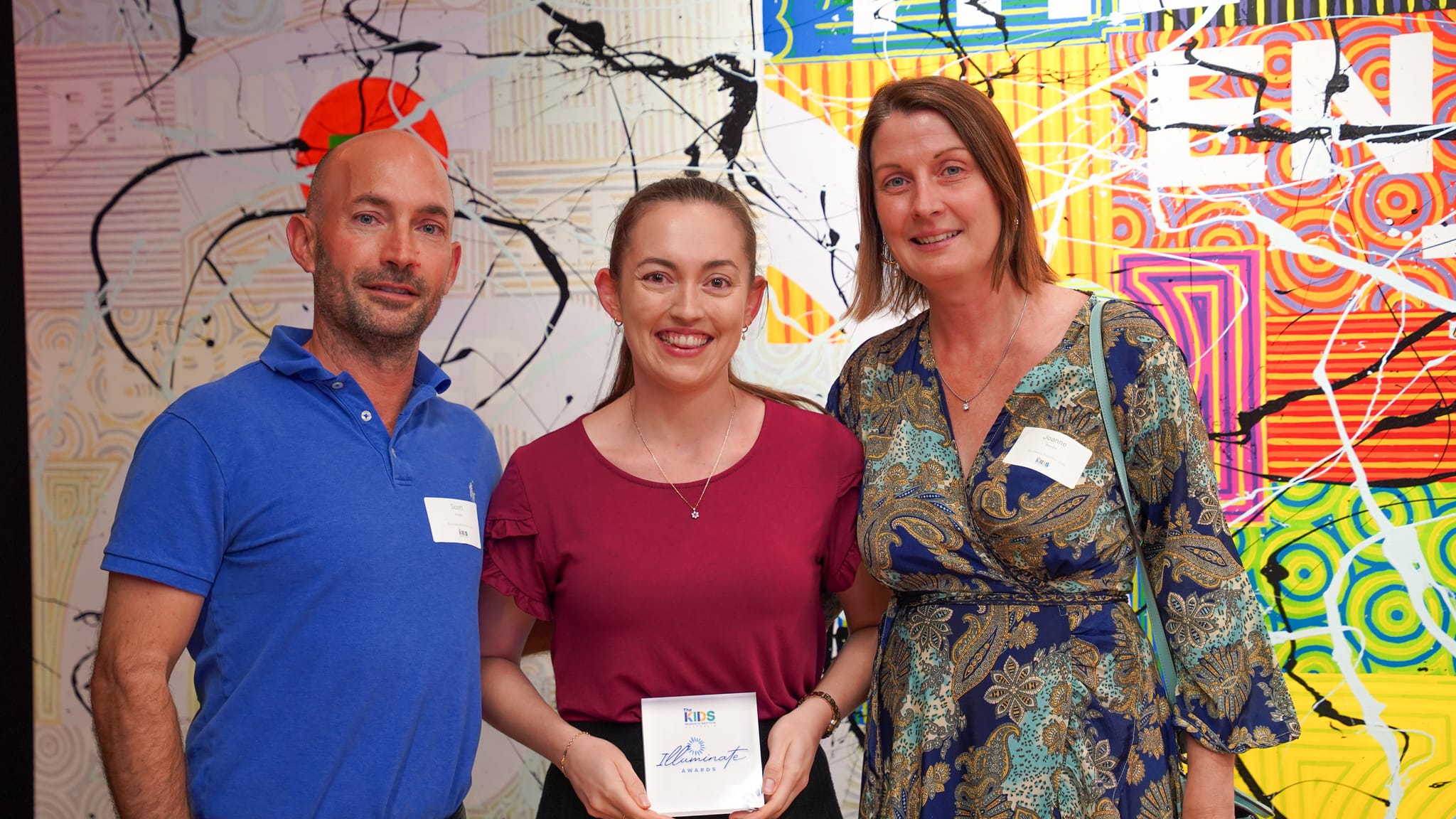
Dr Denby Evans, a Wal-yan Respiratory researcher, has been awarded a $25,000 Illuminate Award for her work to change that. Funding by Helping Little Hands, the award was presented at The Kids Research Institute Australia’s 2026 Illuminate PitchFest.
Contact us If you'd like to get in touch, please contact us by phone or email. Phone: 0400 450 240 Email: vtg@thekids.org.au Paediatric Active