
diversity and inclusivity. We actively encourage Aboriginal and Torres Strait Islander peoples to apply for ... aim of improving the health and wellb…
diversity and inclusivity. We actively encourage Aboriginal and Torres Strait Islander peoples to apply for ... aim of improving the health and wellb…
Although the timeliness benchmark is being met for Indigenous Australians in palliative care, they may experience delayed initiation of care episodes
into mainstream mental healthcare settings for Aboriginal children and young people in WA. Preliminary ... this year. Among the activities run by Abo…
model of bacterial, viral or hypoxic stimuli, respiratory insults highly relevant to early CF.
Research to further improve outcomes for people with CF is dependent upon well characterised, archived and accessible clinical specimens.
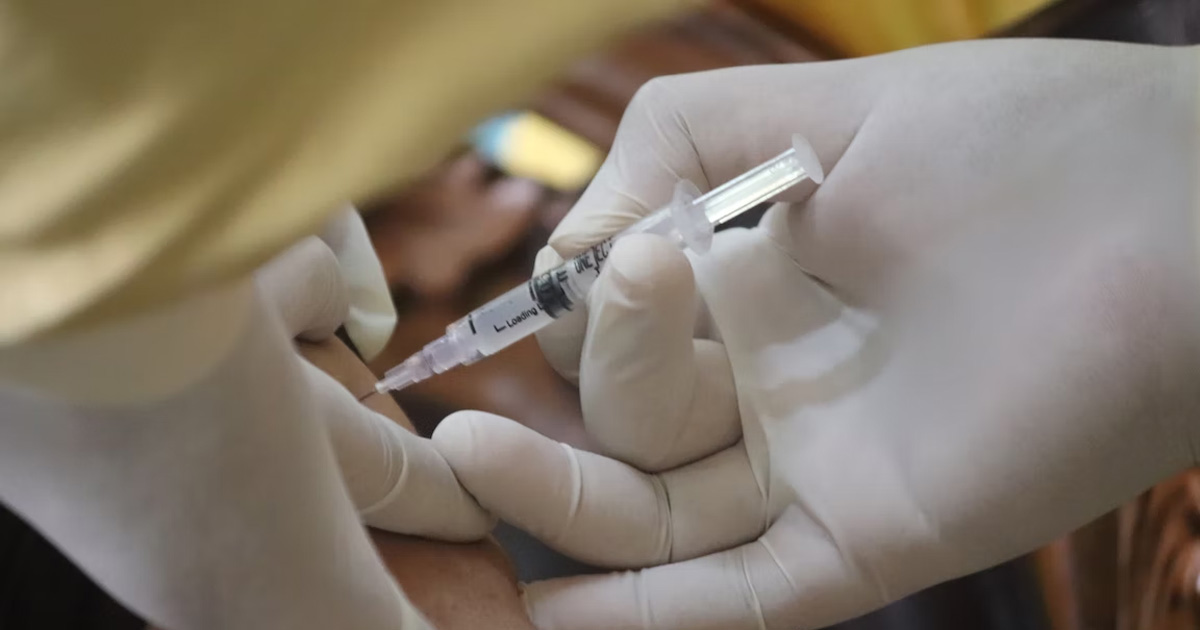
found a new vaccine against potentially deadly respiratory syncytial virus (RSV) is safe and effective for ... RSVpreF vaccine helped protect newborn…
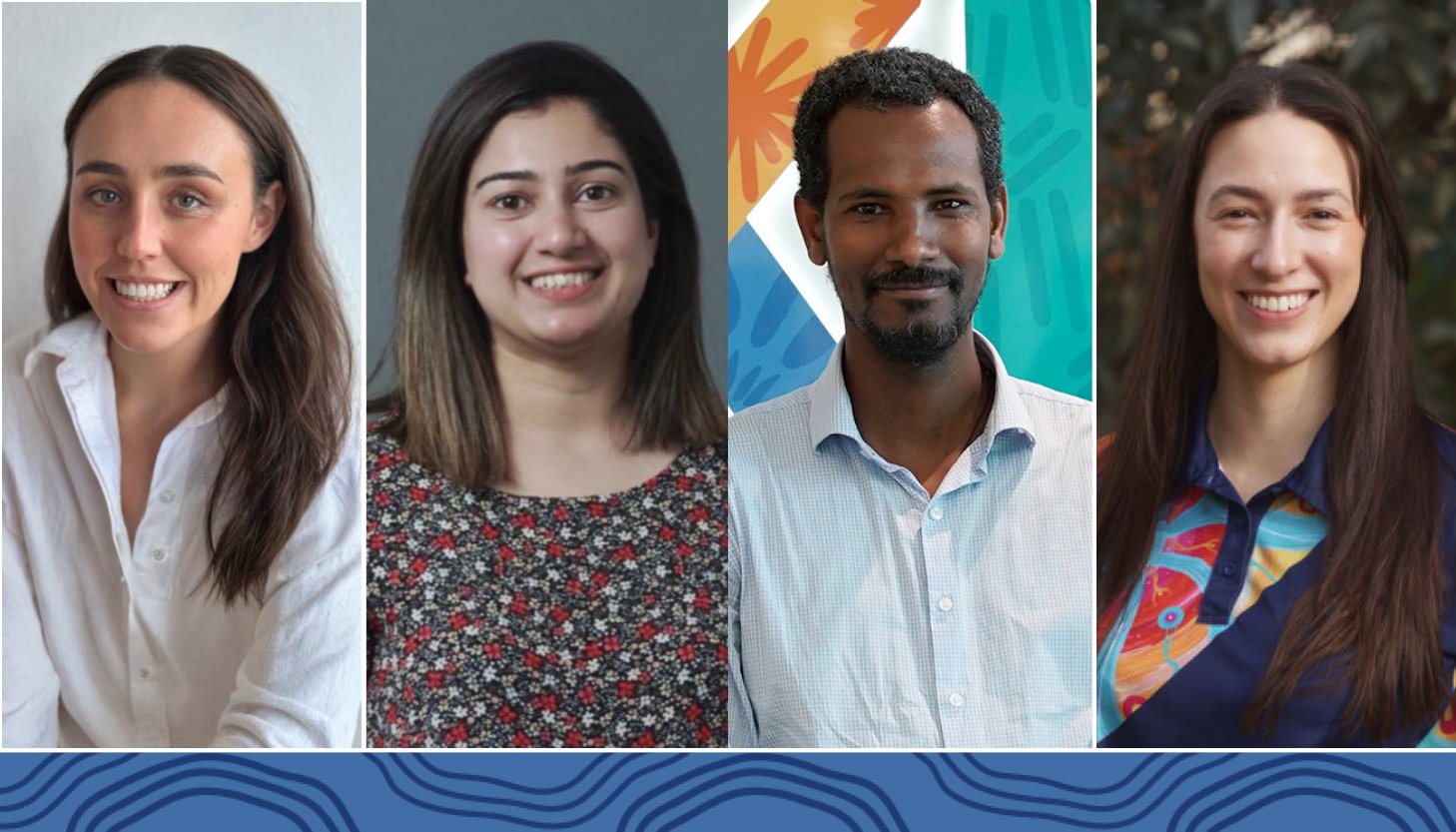
Innovative interventions for ear health equity in Aboriginal children Aboriginal and Torres Strait Islander children, which contributes ... research,…
The latest publications and resources from the END RHD CRE Team
facts you might not know about this serious respiratory disease, and how it affects children. Asthma ... immune responses triggered in the lungs by e…