
Search
Showing results for "Childhood interstitial lung disease "
Antibiotic exposure before or during pregnancy was associated with increased risk of childhood hospitalized infections
Alexander Larcombe BScEnv (Hons) PhD Honorary Research Fellow Honorary Research Fellow Associate Professor Alexander Larcombe began work at The Kids
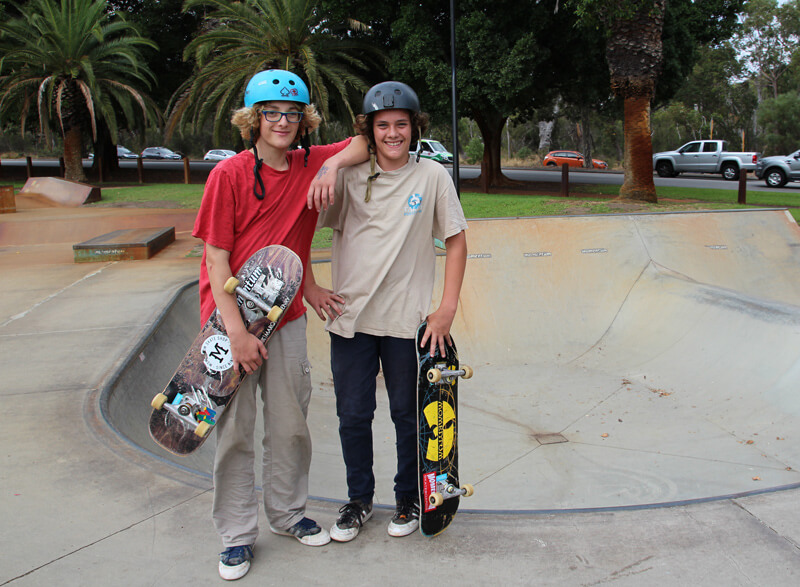
When Samuel and James Considine were born in October 2003, perilously close to what the medical world describes as the limit of viability, each weighed just 700 grams and could fit into the palm of their father’s hand.
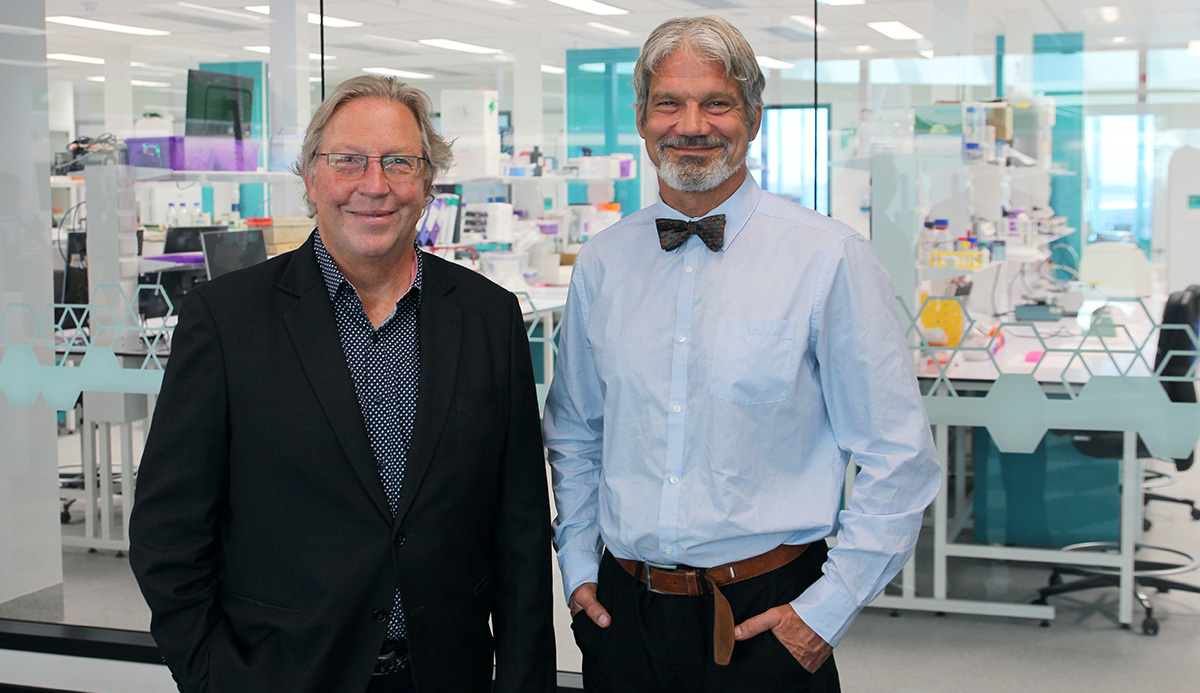
Perth researchers are leading an international clinical trial focused on preventing the spread of COVID-19 by testing the effectiveness of the drug interferon in reducing the infectiousness of people who contract the virus.
Despite evidence supporting earlier discharge of well-appearing febrile infants at low risk of serious bacterial infection (SBI), admissions for ≥48 hours remain common. Prospective safety monitoring may support broader guideline implementation.
Evidence-based recommendations exist for early discharge (before 48 h) of young infants with fever without source (FWS) at low risk of serious bacterial infections (SBIs). However, concerns regarding the applicability of international data to local contexts may hinder implementation. We aimed to describe the local epidemiology of FWS and evaluate a newly implemented risk-stratification guideline to support practice change.
In high-income countries serious bacterial infections such as meningitis are uncommon, but their severity has led to prompt adoption of vaccines for...
Early childhood is a critical window for preventing obesity and chronic disease. Yet, 1 in 4 Australian children aged 5 years and under are affected by overweight or obesity; and significant proportions of children under 5 years fail to meet guidelines for diet quality, physical activity (PA), screen time, and sleep.
The Telethon Adventurers have announced a new research fellowship to investigate the genes involved in childhood brain tumours.
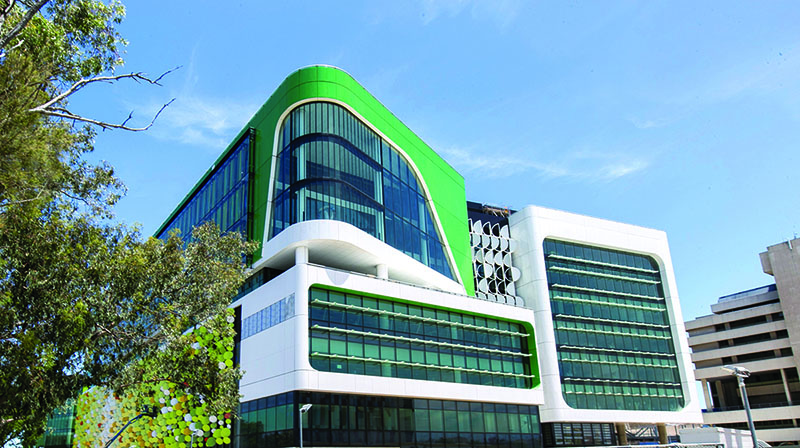
The Kids Research Institute Australia researchers have been awarded nearly $8.5 million from the National Health and Medical Research Council.