
Search
Showing results for "mental health aboriginal"
Immunisation is the most effective way of protecting your child against a range of serious illnesses, including measles, hepatitis B and whooping cough. All vaccines used in Australia undergo stringent testing and ongoing monitoring.
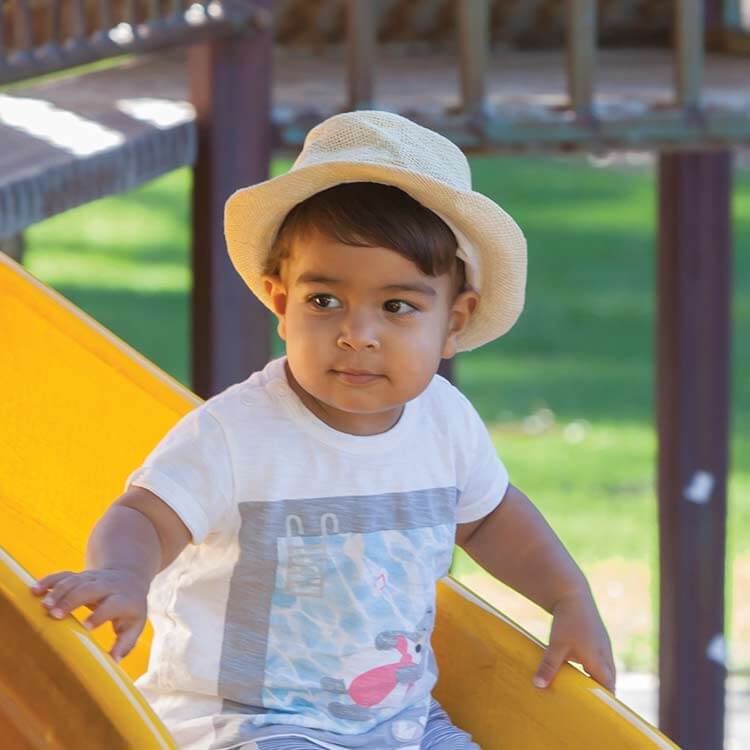
The Early Years Systems Evidence (EYSE) team specialises in working in partnership with governments and service providers, with a distinct focus on improving the life chances of children in Australia.
A comparison between the first and second national surveys of youth mental health
Penelope Strauss BA, MPH, PhD Research Fellow in Youth Suicide Prevention 08 6319 1297 Penelope.strauss@thekids.org.au Research Fellow in Youth
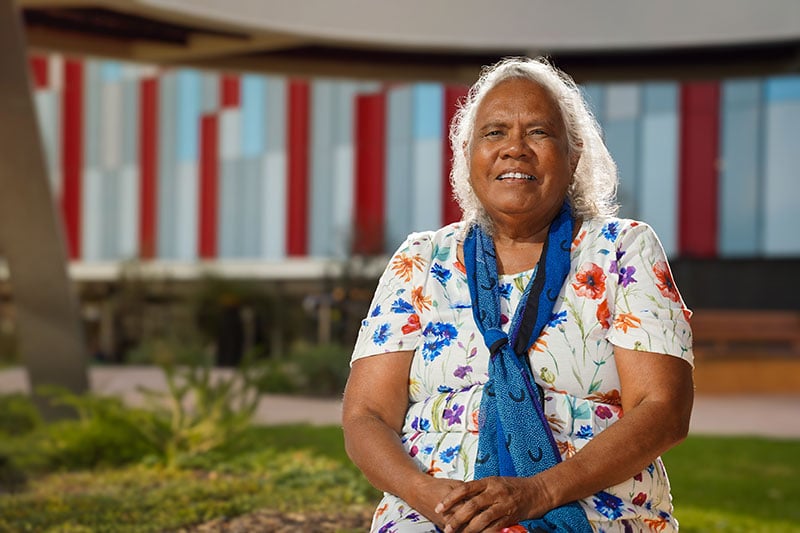
Dr Mara West
The Opportunity This is an exciting opportunity to develop your career whilst being a part of developing important health promotion messages. This is
The incidence of invasive GAS disease in WA increased between 2000 and 2018, particularly among Indigenous Australians. Mandatory notification of invasive GAS disease would therefore be appropriate. The social determinants of differences in incidence should be addressed, and other relevant host, pathogen, and health system factors investigated.
The aim of establishing a local presence is based upon an intention to be by invitation considered as part of the Kimberley group of organisations as well ...
The impact of smallpox (variola) on Aboriginal communities in Australia beginning in 1789 was catastrophic and continues to cause intergenerational trauma. Historically biased perspectives and contemporary misinformation of the disease's introduction and spread impede modern-day truth-telling and efforts towards reconciliation and national healing.
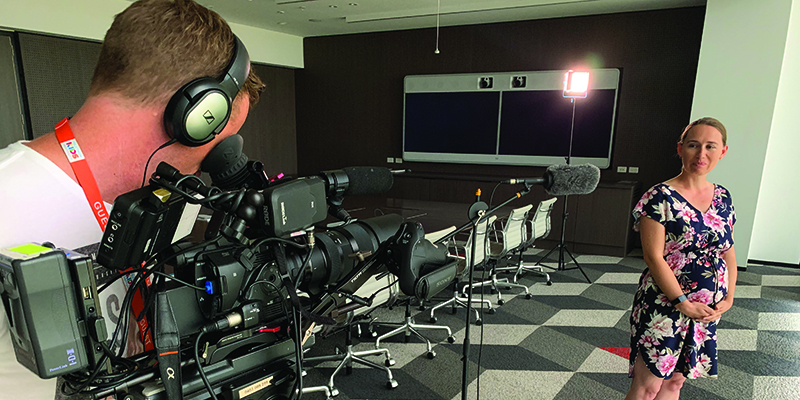
A screening tool to help midwives and other health professionals contribute to the prevention of FASD is changing maternity practice across WA public hospitals.