
Search
Showing results for "clinical trials"
The PCV7 was introduced to prevent IPD in WA Aboriginal people in 2001 to a lesser extent in older people.
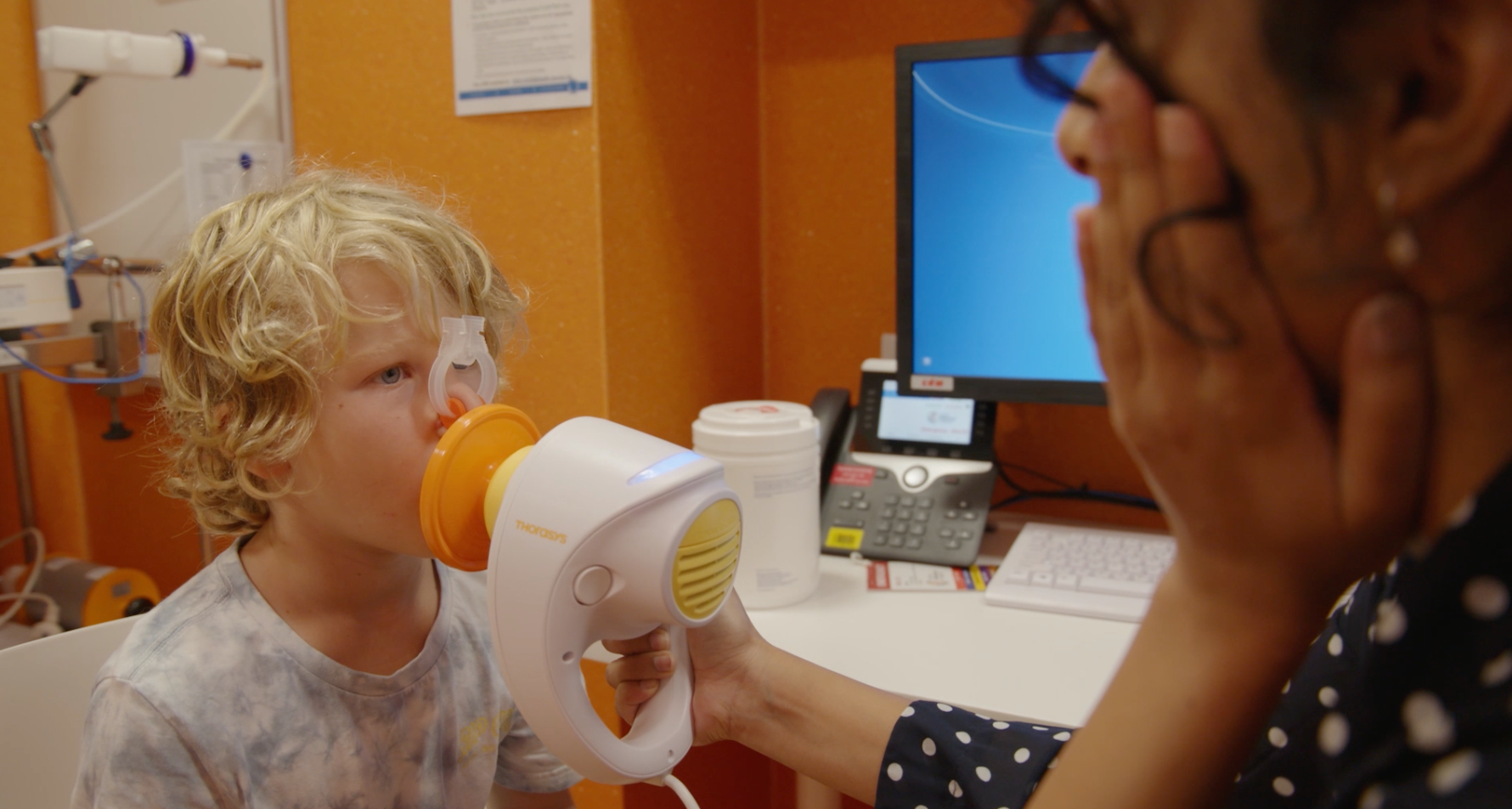
A promising new treatment pioneered in Western Australia for people with cystic fibrosis has commenced testing in a clinical trial in the United States and Australia.
Christopher Blyth MBBS (Hons) DCH FRACP FRCPA PhD Centre Head, Wesfarmers Centre of Vaccines and Infectious Diseases; Co-Head, Infectious Diseases
This study will conduct a detailed lung health assessment in a follow-up of a group of preterm individuals at 19 years of age.
When babies are born early or ‘preterm’ their tiny bodies are put under a lot of stress that can result in health problems in later life.
Respiratory syncytial virus (RSV) reinfection in children is poorly understood. We examined the incidence, characteristics, and outcomes of hospital-attended RSV reinfections in children <16 years in Western Australia between 2012 and 2022.
Children with comorbidities are at greater risk of severe influenza outcomes compared with healthy children. In Australia, influenza vaccination was funded for those with comorbidities from 2010 and all children aged <5 years from 2018. Influenza vaccine coverage remains inadequate in children with and without comorbidities.
Human respiratory syncytial virus (RSV) is an important cause of acute respiratory infection with the most severe disease in the young and elderly. Non-pharmaceutical interventions and travel restrictions for controlling COVID-19 have impacted the circulation of most respiratory viruses including RSV globally, particularly in Australia, where during 2020 the normal winter epidemics were notably absent.
Australian children and adolescents were among the last local cohorts offered COVID-19 vaccines. Despite promising initial uptake, coverage subsequently plateaued, requiring further efforts to improve access and build parents’ recognition of the importance of COVID-19 vaccination.
Respiratory syncytial virus (RSV) is a leading cause of childhood morbidity, however there is no systematic testing in children hospitalised with respiratory symptoms. Therefore, current RSV incidence likely underestimates the true burden.