
Search
Showing results for "mental health aboriginal"
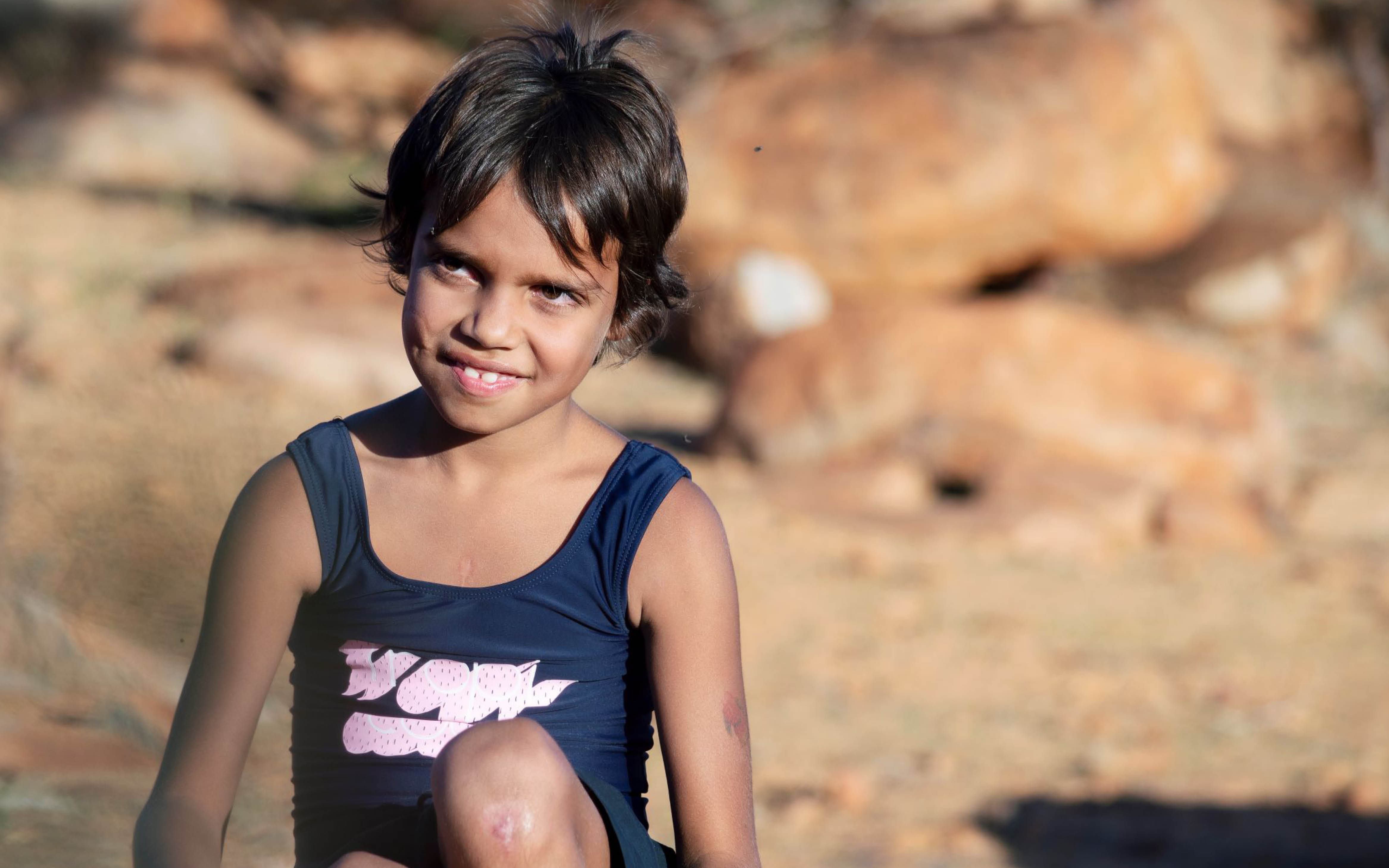
The Strep A Translation team aim to understand the epidemiology of Strep A infections in Australia and the world. Alongside this, they explore the implementation of endgame recommendations, health economics and new horizons.
Meet our survey team and our survey reference group
A pilot study to assess recruitment and nasal sampling in newborns.
Cardiovascular disease (CVD) is the leading cause of death in women around the world. Aboriginal and Torres Strait Islander women (Australian Indigenous women) have a high burden of CVD, occurring on average 10-20 years earlier than non-Indigenous women.

Project Coordinator

While COVID-19 is frightening, we've created some resources designed to help families tackle the challenges this virus has created for us.
To explore how those with a physical illness in childhood are managing in relationships across childhood to young adulthood.
Health-related behaviours contribute to the global burden of cardiovascular disease (CVD). Cardiovascular imaging can be used to screen asymptomatic individuals for increased risk of CVD to enable earlier interventions to promote health-related behaviours to prevent or reduce CVD risk.

Project Coordinator
The mental health and wellbeing of young people has important consequences for students and society. Schools are a logical environment for management and early intervention of wellbeing, mental health and engagement with school. Interventions aimed at improving mental health and wellbeing in education systems requires knowledge of how wellbeing is clustered at a school level. Cluster-randomised trials, and regression analyses of such data also require knowledge of clustering.