
Search
Showing results for "preterm birth lungs"
Although antenatal influenza vaccination is an important public health intervention for preventing serious infection in pregnant women and newborns, reported...
Older maternal age is associated with depression, anxiety, and stress symptoms in young adult females
Results indicated a strong familial basis of melanoma, with the higher than expected hazard ratio observed likely to reflect early-age at onset cases in this...
Background Evidence relating childhood cancer to high birthweight is derived primarily from registry and case-control studies.
First Nations Peoples endure disproportionate rates of stillbirth compared with non-First Nations Peoples. Previous interventions have aimed at reducing stillbirth in First Nations Peoples and providing better bereavement care without necessarily understanding the perceptions, knowledge and beliefs that could influence the design of the intervention and implementation.
Group A Streptococcus causes a wide range of diseases from relatively mild infections including pharyngitis to more severe illnesses such as invasive diseases and rheumatic heart disease (RHD). Our aim is to estimate the cost-effectiveness of a hypothetical Strep A vaccine on multiple disease manifestations at the global-level.
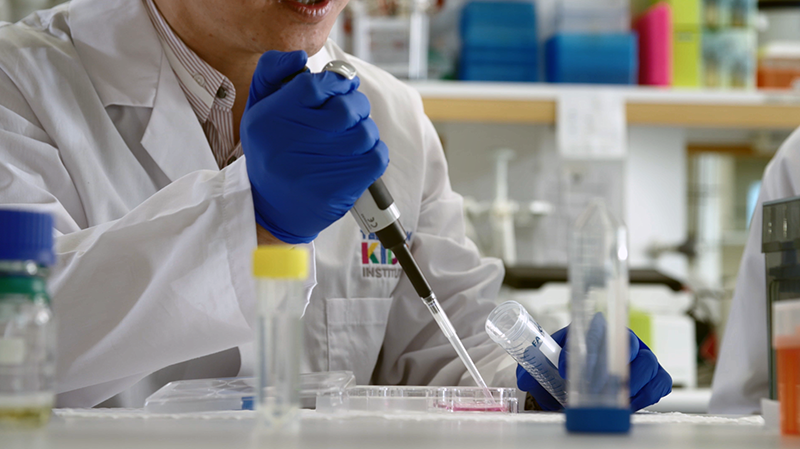
The Kids researchers will use nearly $8.5 million awarded by the National Health and Medical Research Council (NHMRC) to tackle health issues including respiratory disease, brain cancer, vaccination and Aboriginal health.
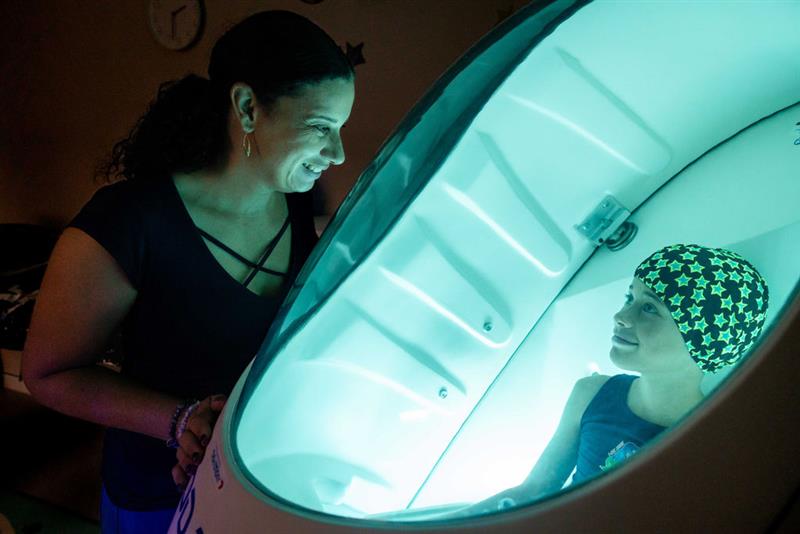
ORIGINS, the largest longitudinal cohort study of its kind in Australia, delivered in partnership between The Kids Research Institute Australia and Joondalup Health Campus, has received $1.5 million funding from the Minderoo Foundation.
Video technology is helping researchers learn more about the early communication style of infants with a family history of autism, ADHD or intellectual disability.
Congenital cytomegalovirus (cCMV) is a common infection at birth with the potential to cause significant and permanent morbidity, most commonly hearing loss. Targeted cCMV testing programmes use hearing loss as an indicator of an infant being at high risk of the infection and thereby can 'target' or focus testing on those at greatest risk. Australian and International guidelines recommend that high-risk infants be offered cCMV testing, yet across Australia, a formal testing system does not exist.