
Search
Showing results for "clinical trials"
Young children diagnosed with autism experience high rates of co-occurring anxiety, with uncertainty-related concerns commonly reported. This randomized controlled trial investigated an 8-week parent-mediated group anxiety intervention, “Coping with Uncertainty in Everyday Situations” (CUES-Junior©).
The key projects undertaken at Wal-yan Respiratory Research Centre.
Differences in pneumococcal serotypes, genotypes, and antimicrobial susceptibility between Aboriginal and non-Aboriginal children living in the same area
Here we discuss how skin exposure to sunlight may suppress liver inflammation and the severity of NAFLD.
Here, we summarize and discuss findings of randomized clinical trials that have examined the effects of these strategies on short and long-term.
Streptococcus pneumoniae (Pnc), nontypeable Haemophilus influenzae (NTHi) and Moraxella catarrhalis (Mcat) are the most important bacterial pathogens...
Peter Shelley Jacoby Gorman BA (Hons) MSc BSc (Hons) PhD Biostatistician Honorary Research Associate Peter.Jacoby@thekids.org.au shelley.gorman@
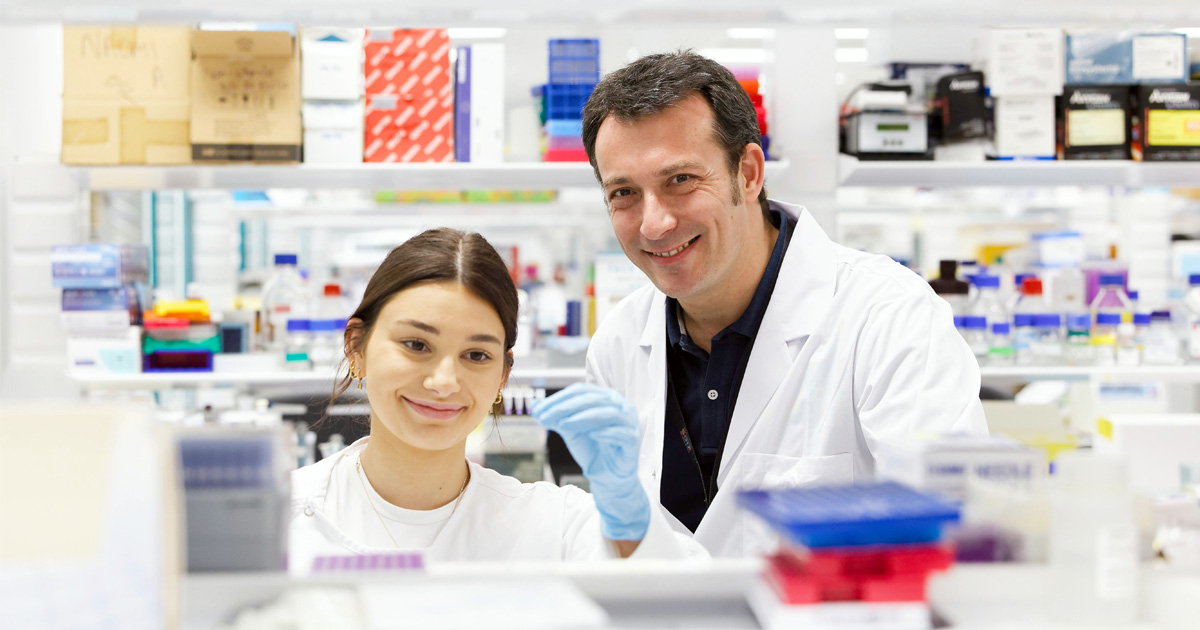
A team of world-leading scientists has secured $5 million in funding from the Leukaemia and Lymphoma Society to advance the fight against leukaemia in children with Down syndrome.
decreased serum IgG responses to NTHi outer membrane proteins may contribute to the development of chronic and severe OM in Australian Aboriginal children
The effectiveness and safety profile of antiseptics in the treatment of chronic suppurative otitis media is uncertain