
Search
Showing results for "mental health aboriginal"
Our objective was to develop a method that could be applied in a longitudinal cohort study to account for attrition bias in an investigation of exclusive...
A double-blind, placebo-controlled clinical trial was conducted investigating the use of low-dose oral interferon alpha for preventing acute viral...
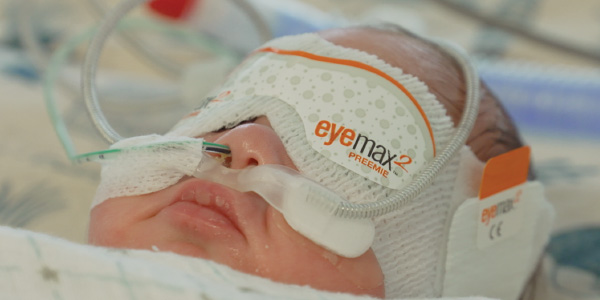
A simple set of eye masks and ear plugs – an inexpensive solution explored in a successful pilot study by The Kids Research Institute Australia, together with the Child and Adolescent Health Service – could hold the key to better outcomes for our tiniest bubs. Now, a nationwide clinical trial is testing the idea
The carcinogenic liver fluke Opisthorchis viverrini is a major public health problem in the Mekong basin region. The liver flukes can induce cholangiocarcinoma, a bile duct cancer that causes a significant burden of mortality and economic loss. Various public health interventions have been conducted to reduce opisthorchiasis but the prevalence of O. viverrini remains high in endemic regions.
The benefits of physical activity in reducing the risk of non-communicable diseases are well documented. Physical inactivity contributes to 6–10% of the burden of coronary heart disease, type 2 diabetes, and breast and colon cancers.
Citation: Turrell G, Nathan A, Burton NW, Brown WJ, McElwee P, Barnett AG, et al. Cohort Profile: HABITAT-a longitudinal multilevel study of physical
We aimed to review original research which described factors impacting the health of primary care-givers of children with Autism or Intellectual Disability
The health benefits of UV radiation exposure through Vitamin D production or non-Vitamin D pathways
The cardiometabolic protective effects of ultraviolet radiation and mechanistic pathways through which ultraviolet radiation could be beneficial.
Developmental coordination disorder (DCD) compromises bone health purportedly due to lower levels of physical activity. The potential of an exercise intervention to improve bone health parameters in adolescents with DCD has not previously been studied. This study thus aimed to determine the impact of a multimodal exercise intervention on bone health in this population at-risk of secondary osteoporosis.