
Search
Showing results for "1"
This research presents serotype, antimicrobial susceptibility and outcome data from paediatric meningitis patients prior to introduction of Haemophilus...
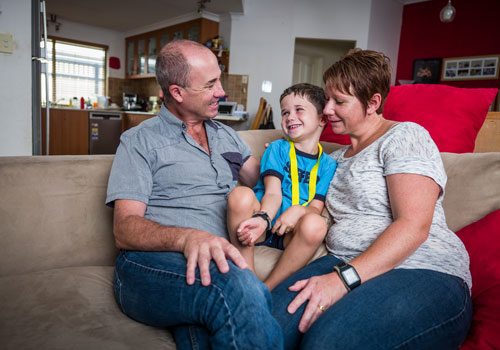
When Jodie and Brad Scott welcomed their fourth child Heath into the world, they were prepared for the many sleepless nights that come with caring for newborns.
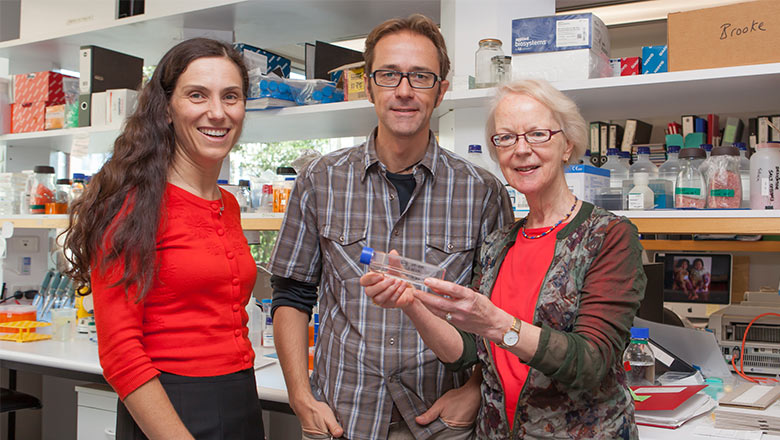
It is now known that the HOX11 gene is permanently activated in the leukaemia cells and it drives the disease.
Experts in Aboriginal infectious disease research are in Perth this week for the National Indigenous Immunisation Research Workshop (November 7-8).
A new study from Perth's The Kids for Child Health Research has uncovered more evidence of a link between early testosterone levels and autism.
findings from the Telethon Institute for Child Health Research that show relatively common stressful events during pregnancy do not have a long term impact
Long term benefits for a child if their mother quits smoking even after the pregnancy are established.
A new report from Perth's The Kids for Child Health Research has found a strong link between childhood ear infections and exposure to tobacco smoke.
The Kids for Child Health Research congratulates the WA State Government on its decision not to water down pool fencing legislation.
West Australian families are being asked to play a vital role in a major new national study to unravel the causes of childhood leukaemia.