
Search
Showing results for "Childhood interstitial lung disease "
Alexander Larcombe BScEnv (Hons) PhD Honorary Research Fellow Honorary Research Fellow Associate Professor Alexander Larcombe began work at The Kids
Streptococcus A is a bacterium often found in the throat and on the skin.
Identifying the causal variant for diagnosis of genetic diseases is challenging when using next-generation sequencing approaches and variant prioritization tools can assist in this task. These tools provide in silico predictions of variant pathogenicity, however they are agnostic to the disease under study. We previously performed a disease-specific benchmark of 24 such tools to assess how they perform in different disease contexts.
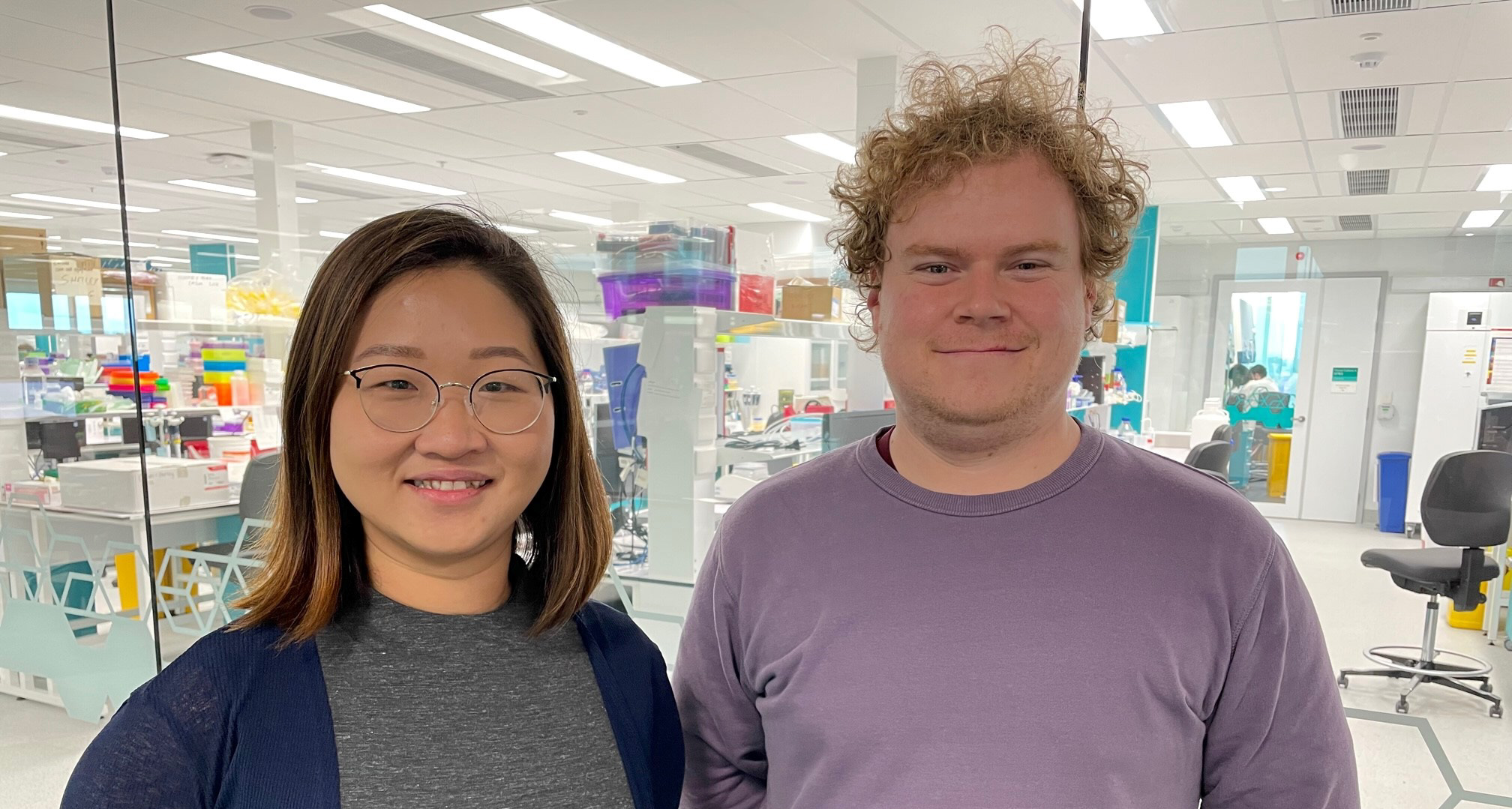
Two outstanding researchers from the Wal-yan Respiratory Research Centre have been awarded Vertex Cystic Fibrosis (CF) Mentored Innovation Research Awards.
Maternal educational attainment (MEA) shapes offspring health through multiple potential pathways. Differential DNA methylation may provide a mechanistic understanding of these long-term associations. We aimed to quantify the associations of MEA with offspring DNA methylation levels at birth, in childhood and in adolescence.

Identifying at risk hearts: examining cardiovascular risk factors in the ORIGINS cohort
Streptococcus pneumoniae, Moraxella catarrhalis, and nontypeable Haemophilus influenzae is associated with otitis media
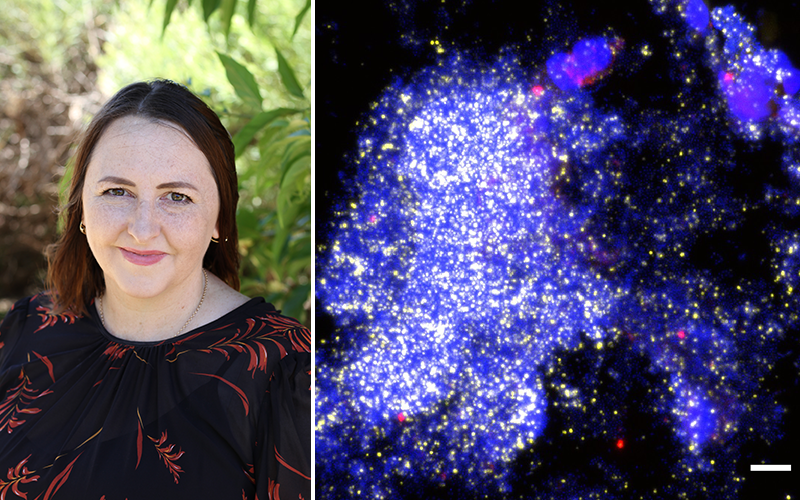
Researchers using powerful microscopes have identified bacterial slime in the lungs of some children with persistent wet coughs.
The proposed study intends to explore parental experiences, including coping, related to their child's involvement in the early surveillance program.
The Opportunity We are seeking a motivated Research Coordinator to coordinate clinical research studies being undertakne by the AREST CF team. The