
Search
Showing results for "Childhood interstitial lung disease "
Japan recently experienced a record surge in streptococcal toxic shock syndrome. Our environmental surveillance study reveals that Streptococcus pyogenes persists seasonally, peaking in autumn and winter in rural Japan. The dominant emm1 M1UK sublineage and csrS mutations heighten virulence, highlighting the urgent need for targeted surveillance and interventions.
Mutation-agnostic treatments such as airway gene therapy have the potential to treat any individual with cystic fibrosis (CF), irrespective of their CF transmembrane conductance regulator (CFTR) gene variants. The aim of this study was to employ two CF rat models, Phe508del and CFTR knockout to assess the comparative effectiveness of CFTR modulators and lentiviral vector-mediated gene therapy.
Research to further improve outcomes for people with CF is dependent upon well characterised, archived and accessible clinical specimens.
Early infancy oral vitamin D supplementation does not appear to reduce the development of early childhood allergic disease
We investigated predictors of nasopharyngeal carriage in Australian Aboriginal and non-Aboriginal children.
Our showcase projects are a demonstration of how we at The Kids Research Institute Australia are committed to a new way of working.
Telethon Institute for Child Health Research scientist Dr Anthony Bosco has been recognised for his cutting edge research investigating asthma attacks
On this Research Impact page, learn about our work that's actively translated as Government policy or in active practice. Learn how our research is making a difference in people's lives - not tomorrow, next week, or next year - but today!
Meet the speakers Prof. Bob Hancock Title: Canada Research Chair in Health and Genomics; Director, Centre for Microbial Diseases and Immunity
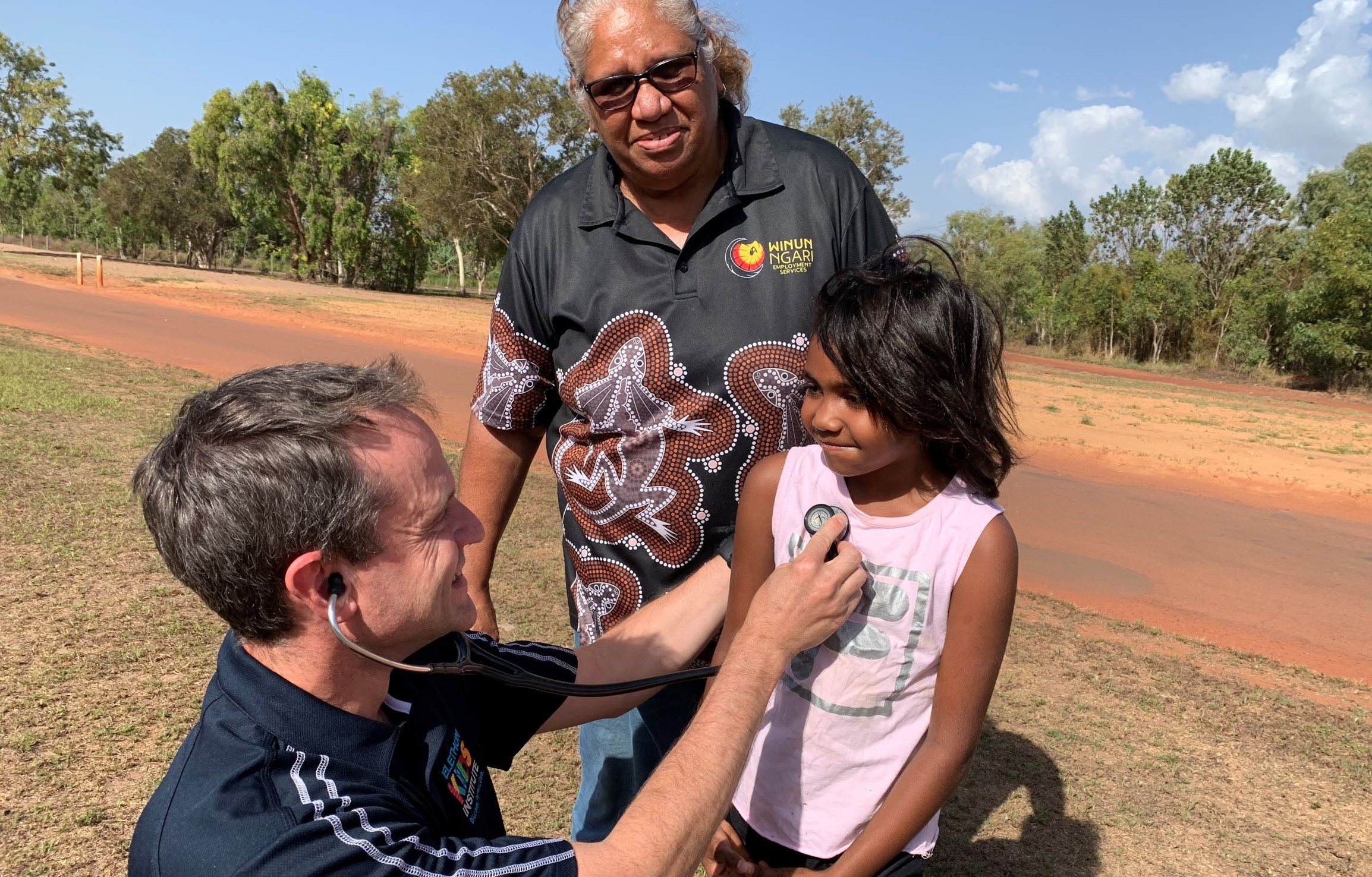
Results from a world first-study measuring prevalence of chronic wet cough and protracted bacterial bronchitis in four Kimberley Aboriginal communities have highlighted the enormity of the health problem.