

or NCDs, non-infectious conditions including respiratory, allergic, metabolic, neurodevelopmental and ... ratory-environmental-health/" target="_top"…

Gibbons (pictured), who works with the Wal-yan Respiratory Research Centre, the Respiratory Research Centre investigates lung growth and
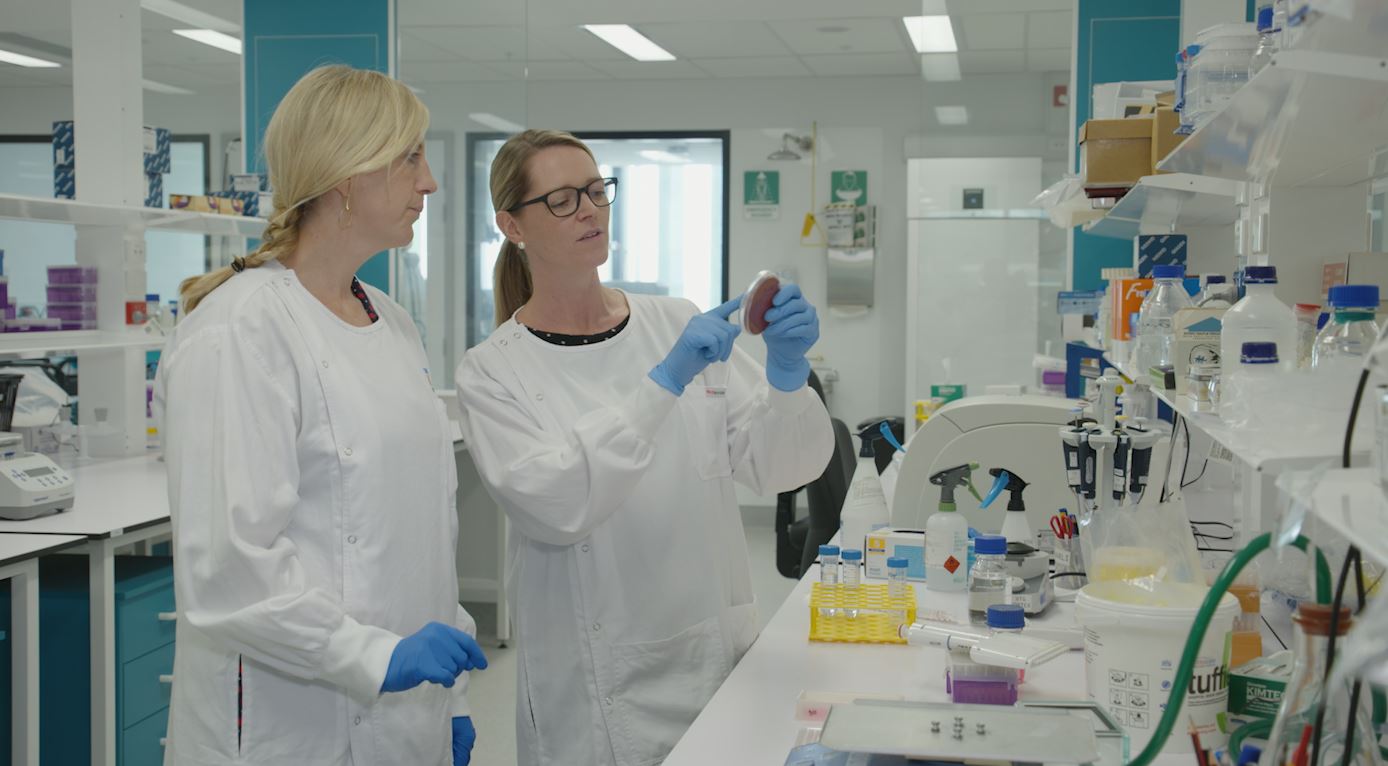
haemolyticus can be exploited for protection against respiratory infections.“The friendly bacteria ... />“Nasal therapies to prevent or treat respira…

Research Officer, Infectious Diseases Epidemiology
No currently licensed and available vaccine has been shown to provide broad protection against endemic MnB disease.
This protocol adapted an experimental animal model of disease for sensitization to ovalbumin during the immediate post-weaning period beginning at 21…
Consideration of the future for asbestos-related lung disease includes screening those at highest risk
This report summarises the epidemiology of hospitalisations with laboratory-confirmed influenza during the 2015 influenza season
We investigated whether cyanide in bronchoalveolar lavage (BAL) fluid could be used as an early diagnostic biomarker of infection in kids with cystic…
There are differences in tidal breathing parameters during multiple breath washout testing with SF6 gas mixture in infants