
Search
Showing results for "early lung health"
The widespread use of technology in daily life has raised concerns about its potential to disrupt social relationships, particularly within one of the most important human relationships: the parent-child relationship. This study assesses whether parental social media use (measured by a novel parental social media intensity scale) affects the parent-child relationship (measured by the child-parent relationship scale - short form), and whether parental self-efficacy (PSE, measured by the parenting sense of competence scale) moderates this effect.
Amniotic epithelial cells are fetal-derived stem cells, capable of differentiating into all three germ layers, including mature epithelial cell populations. Here, we hypothesised that the amniotic epithelium might serve as a surrogate tissue source for investigating transcriptional profiles in the respiratory epithelium of newborns.
New research links poor language to lack of Vitamin D in womb.
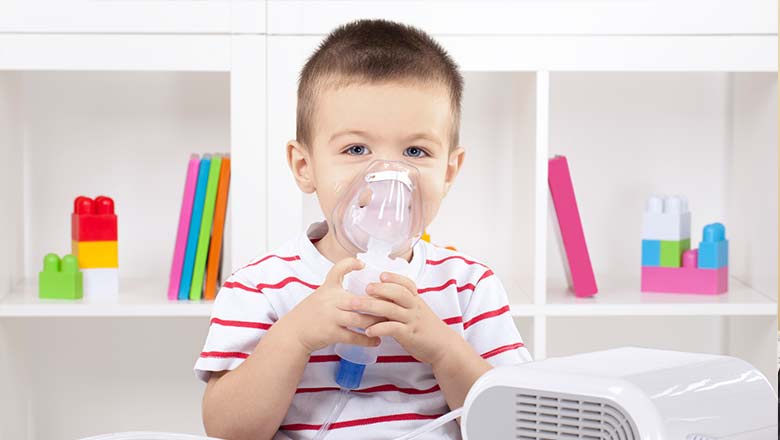
This study is designed to identify the specific unique immune cell response that occurs in these children with recurrent disease.
This project investigates how cells of the immune system respond to substances to cause allergies to help develop new treatments.
This paper examined the link between low serum Vitamin D levels and development of non-alcoholic fatty liver disease (NAFLD) in adolescents between 14 and 17...
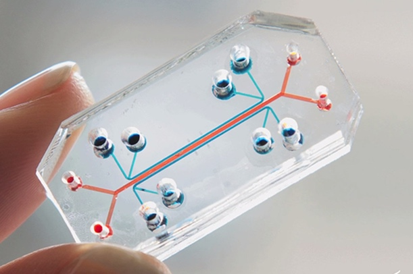
Respiratory disease is a global issue and international networks are critical to informing best-practice approaches to the clinical care and management of childhood respiratory health.
The identification of a COPD etiotype associated with preterm birth (COPD-developmental) has expedited calls for intervention strategies that may improve health outcomes for survivors of preterm birth (<37 weeks' gestation). Pulmonary-rehabilitation style training interventions achieve physiological and symptom improvement in older people with COPD, but whether similar training interventions are suitable for young people is unclear. We sought to understand the perceived need and requirements of an exercise training intervention for children, adolescents and adults born preterm.
People living with rare diseases had a high risk of negative health outcomes due to COVID-19. Pandemic preparedness will ensure best practice procedures and optimal outcomes during future pandemic events. This paper sought to understand the needs of children with rare diseases during the COVID-19 pandemic to inform preparation for future pandemic and disaster events. First, impacts and outcomes from the COVID-19 pandemic on people living with rare disease were identified in the literature.
The relative importance of respiratory viral infections vs inhalant allergy in asthma pathogenesis is the subject of ongoing debate.