
Search
Showing results for "lung disease preterm"
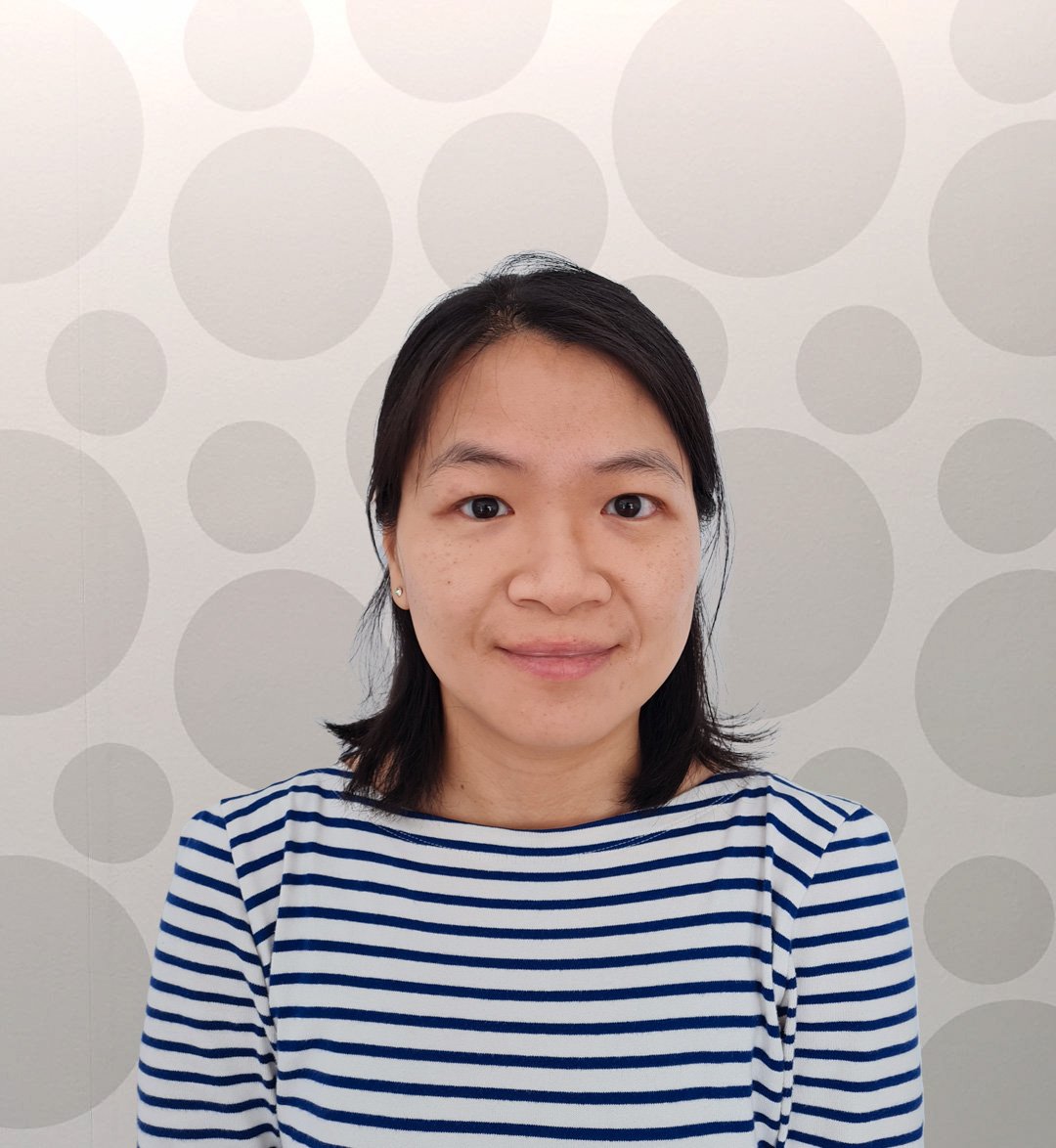
Dr. Su Yun Kang, PhD, is a dedicated statistician specializing in spatial and temporal modelling, epidemiology, and Bayesian methodologies

Research Support Officer
Our research group is looking for patterns in newly diagnosed diabetic patients in WA to understand the characteristics and risk factors of children with T1D.
Invasive group A streptococcal disease in children includes deep soft tissue infection, bacteraemia, bacteraemic pneumonia, meningitis and osteomyelitis
Multi-omics in combination with advanced computational methodologies synthesizes diverse omics data to provide deeper insights into molecular interactions and offers transformative potential for unravelling phenomenon behind disease complexities, improving diagnostics, disease prevention, and personalized treatments. This integrative strategy enables our understanding of gene-environment relationships, chronic disease progression, and the intricate molecular pathways involved in health.
The most common cause of morbidity and mortality in children with severe cerebral palsy (CP) is respiratory disease. BREATHE-CP (Better REspiratory and Airway Treatment and HEalth in Cerebral Palsy) is a multidisciplinary research team who have conducted research on the risk factors associated with CP respiratory disease, a systematic review on management and a Delphi study on the development of a consensus for the prevention and management of respiratory disease in CP.
Primary care practitioners have an important role in improving Aboriginal cardiovascular care outcomes
Our results support a fundamental assumption that facial sexual dimorphism is an indicator of immune function during the development of facial sexual dimorphism
We aimed to investigate the risk factors for different wheezing phenotypes in Chinese young children and to explore the prognosis of recurrent wheezing
This study demonstrates the feasibility of utilizing pre-clinical in vitro culture models to screen therapeutic candidates