
Search
Showing results for "Childhood interstitial lung disease "
Both high tidal volume (V(T)) ventilation and hemorrhage induce acute lung injury in adult rodents. It is not known whether injurious ventilation augments lung
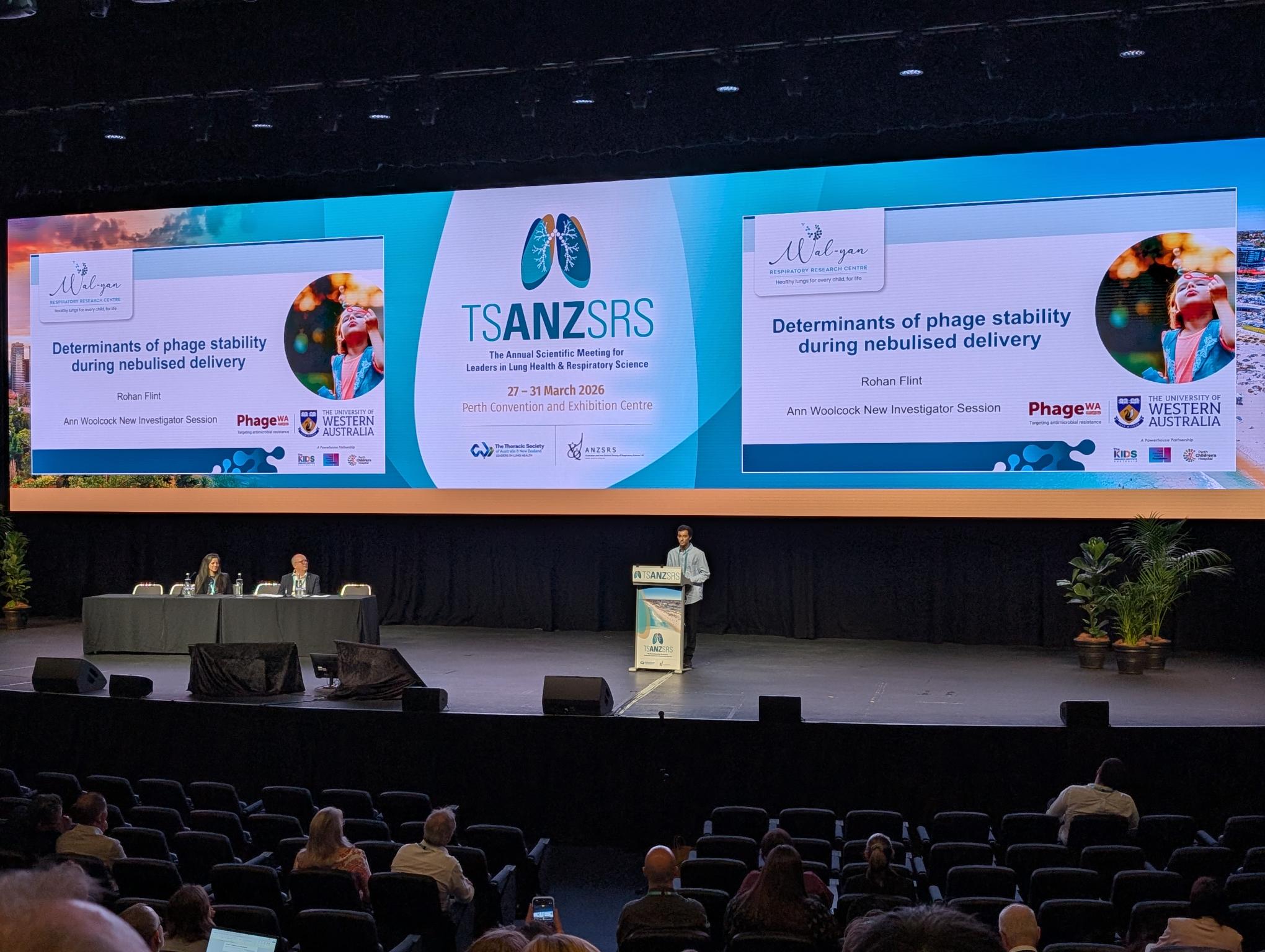
Wal-yan Respiratory Research Centre was well represented at this year's Thoracic Society of Australia and New Zealand and Society of Respiratory Science (TSANZSRS) Annual Scientific Meeting.
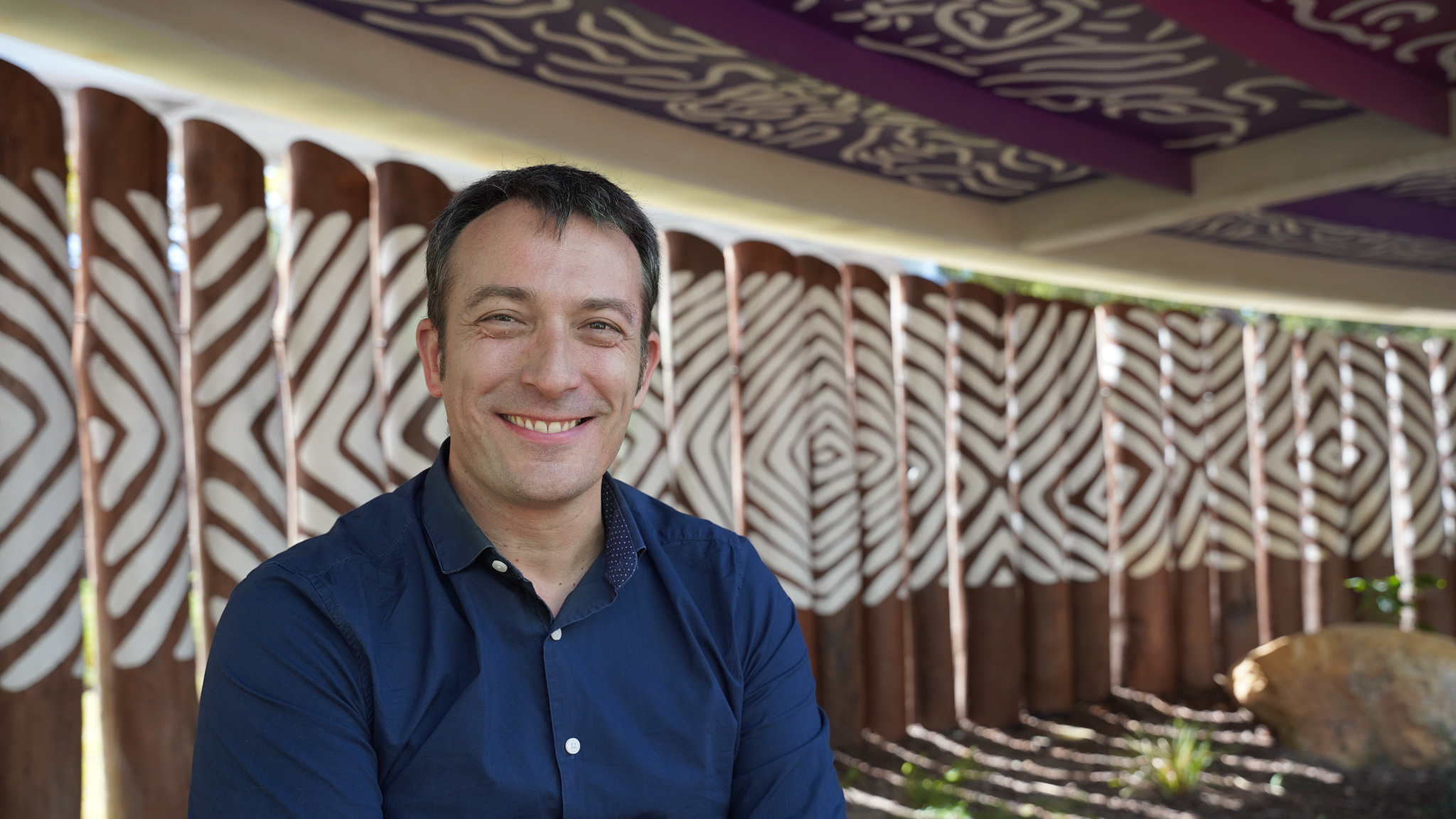
Dr Sébastien Malinge has received a Stan Perron Charitable Foundation Research Fellowship for his pioneering research, which is paving the way for safer, targeted therapies for children with hard-to-treat leukaemia
Offspring of hypertensive pregnancies have increased cardiovascular risk factors during childhood.
Jennifer Peter Kent Richmond RN MBBS MRCP(UK) FRACP Clinical Research Manager Head, Vaccine Trials Group Jennifer.Kent@thekids.org.au Clinical
Neonatal sepsis is a major cause of childhood mortality. Limited diagnostic tools and mechanistic insights have hampered our abilities to develop prophylactic or therapeutic interventions. Biomarkers in human neonatal sepsis have been repeatedly identified as associated with dysregulation of angiopoietin signaling and altered arachidonic acid metabolism.

Wal-yan Respiratory Research Centre PhD student Niamh Troy has found how OM85 helps babies fight off severe lung infections.

Personalised medicine for childhood cancers in West Australia is a step closer thanks to the Zero Childhood Cancer program’s state clinical trial launched today
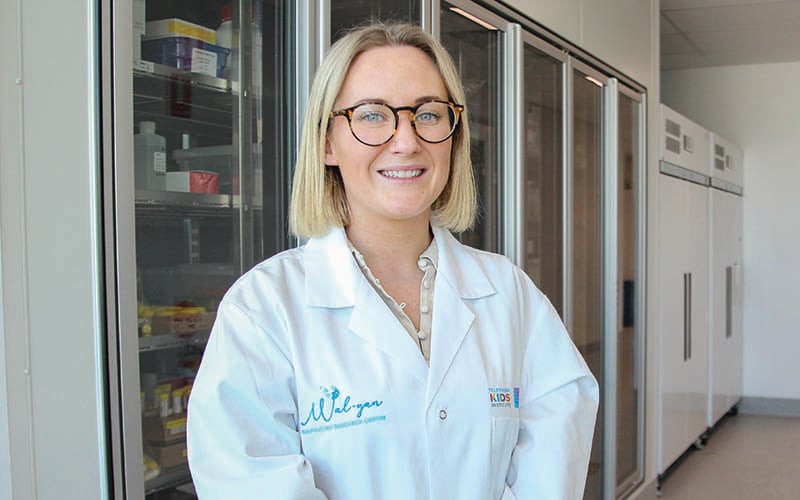
Researchers have made a world-first discovery on how to prevent severe respiratory infections in babies.
We found a numerically higher rate of preterm births among women who received 23vPPV in pregnancy compared to unvaccinated pregnant women