
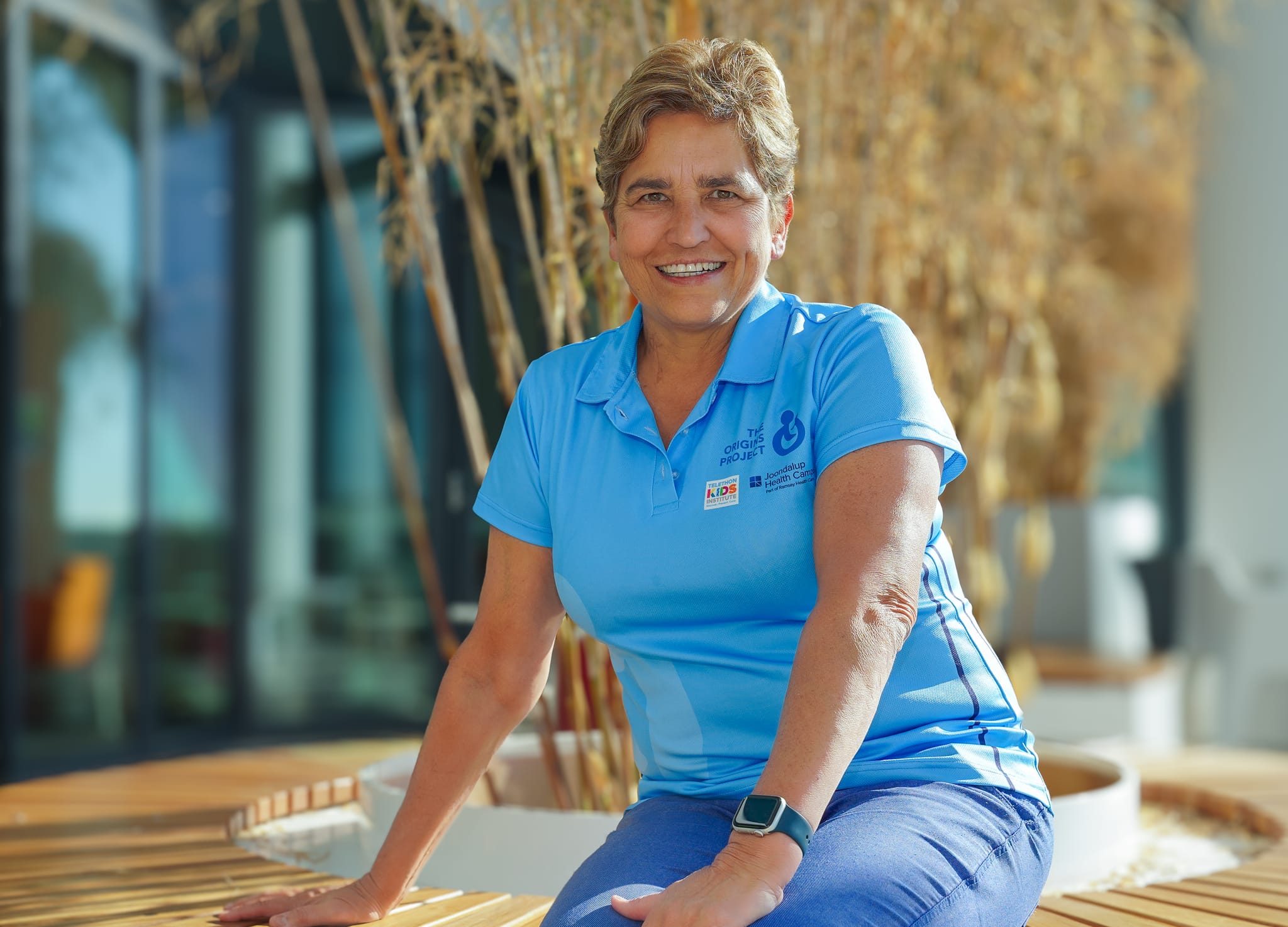
pools in improving skin, eye and ear health for Aboriginal children, the benefits for children of interacting
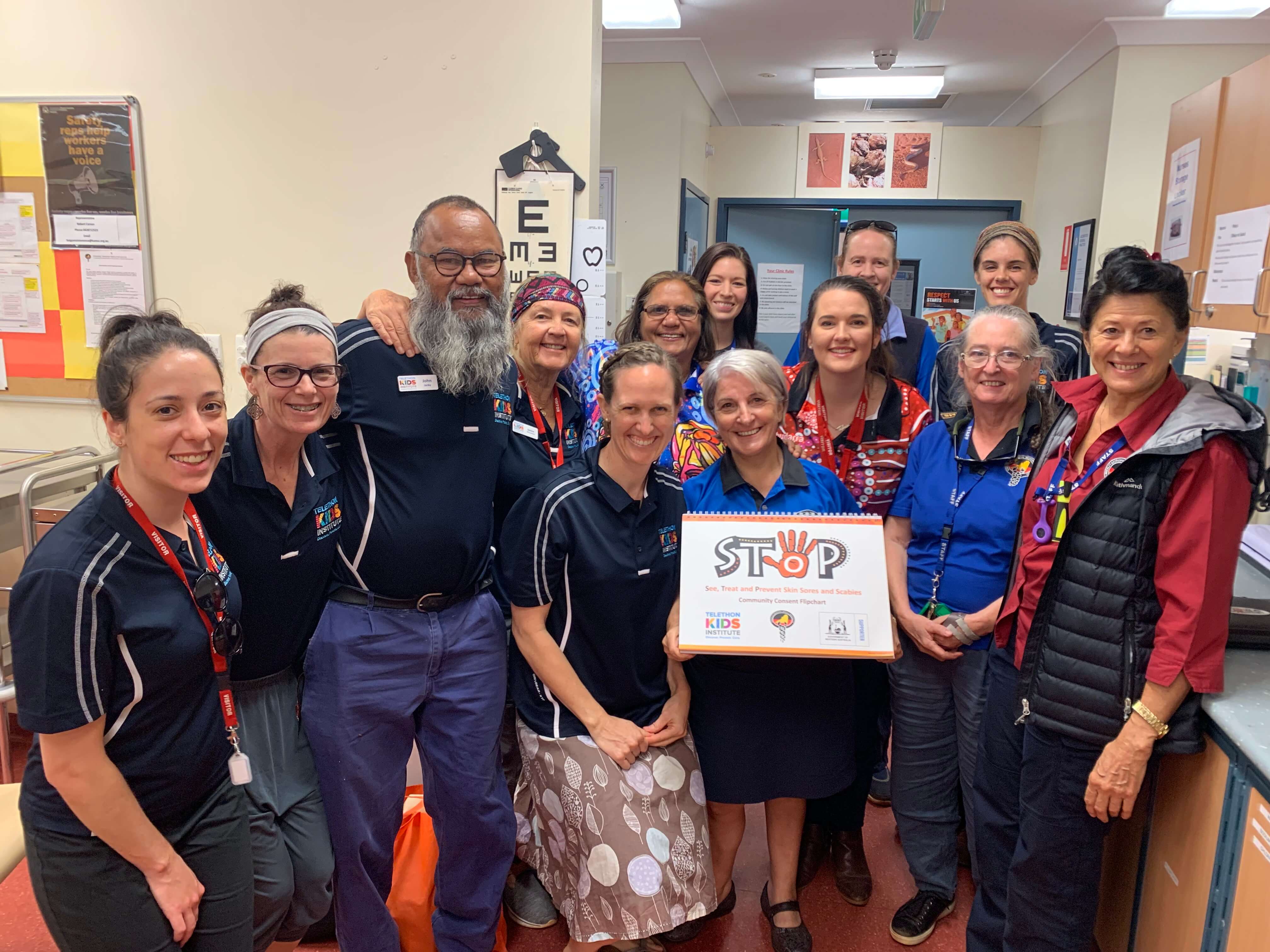
Six weeks, nine community visits and 380 kids – it’s a wrap for round one of the StoP Trial!
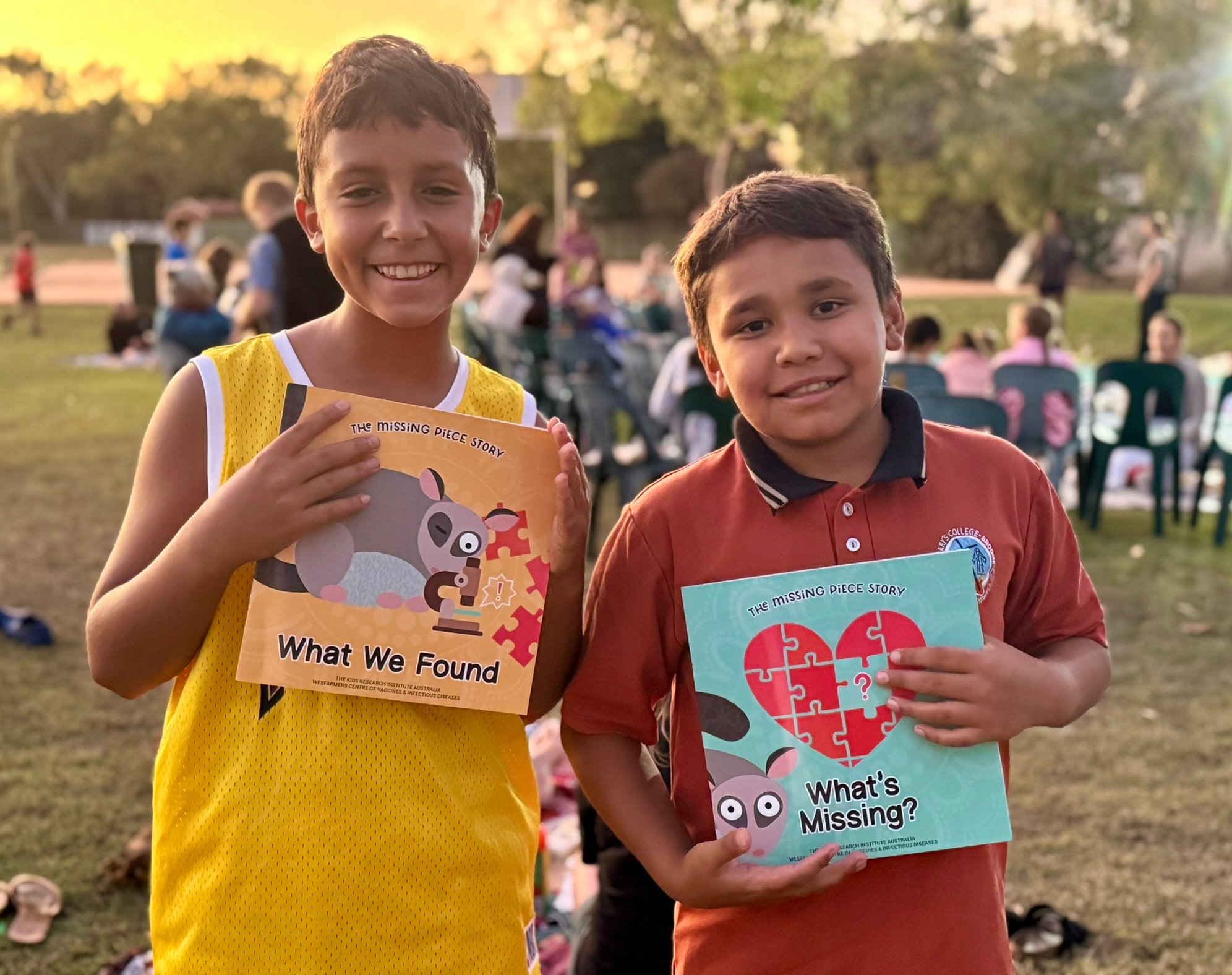
Wesfarmers Centre of Vaccines and Infectious Diseases researchers Dr Janessa Pickering and Dr August Mikucki travelled to Broome last week for the of…
This project has a focus on working with Aboriginal organisations, researchers and health promotion ... promotion officers to `Make FASD History'. Pe…
diversity and inclusivity. We actively encourage Aboriginal and Torres Strait Islander peoples to apply for ... aim of improving the health and wellb…
diversity and inclusivity. We actively encourage Aboriginal and Torres Strait Islander peoples to apply for ... aim of improving the health and wellb…
diversity and inclusivity. We actively encourage Aboriginal and Torres Strait Islander peoples to apply for ... aim of improving the health and wellb…
also of Murdoch University’s Kulbardi Aboriginal Centre, discussed the recently published Walkern ... she came to be working at the intersection of A…
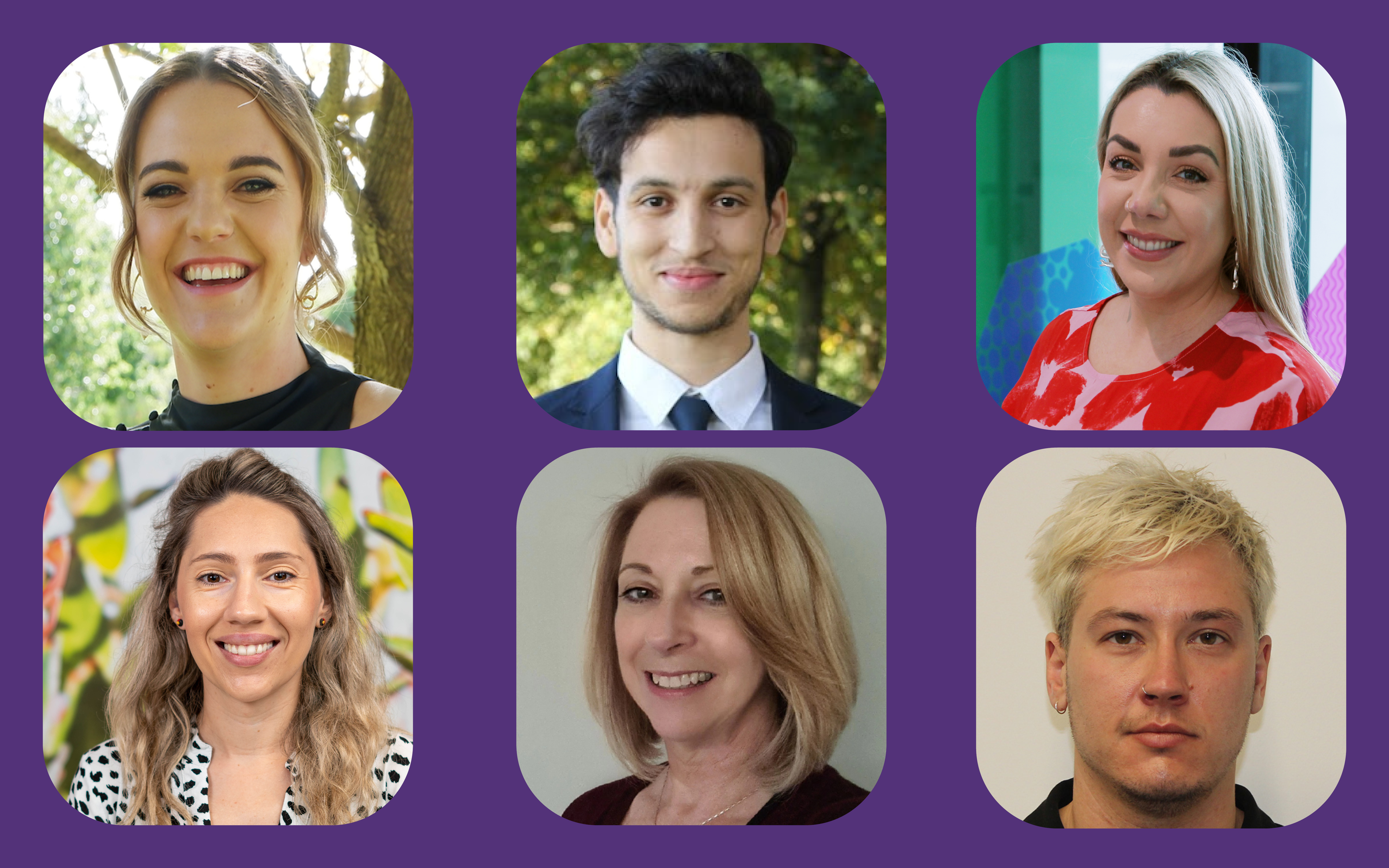
release of findings from a national survey of Aboriginal and Torres Strait Islander LGBTQA+ young people ... into the mental health and social wellbe…
We found transient pDC depletion during Pneumovirus infection alone predisposed to severe bronchiolitis in early life and subsequent asthma after rei…