
Search
Showing results for "Childhood interstitial lung disease "
Pregnancy is an opportunistic time for dietary intake to influence future disease susceptibility in offspring later in life. The ORIGINS Project was established to identify the factors that contribute to 'a healthy start to life' through a focus supporting childhood health and preventing disease (including non-communicable diseases).
This trial will determine whether BCG vaccination reduces the incidence and severity of COVID-19 but also whether BCG vaccination reduces other respiratory illnesses in healthcare workers.
Genetic diagnosis plays a crucial role in rare diseases, particularly with the increasing availability of emerging and accessible treatments. The International Rare Diseases Research Consortium (IRDiRC) has set its primary goal as: "Ensuring that all patients who present with a suspected rare disease receive a diagnosis within one year if their disorder is documented in the medical literature".
The WA Kids Cancer Centre brings together clinicians and researchers working together to defeat childhood cancer.
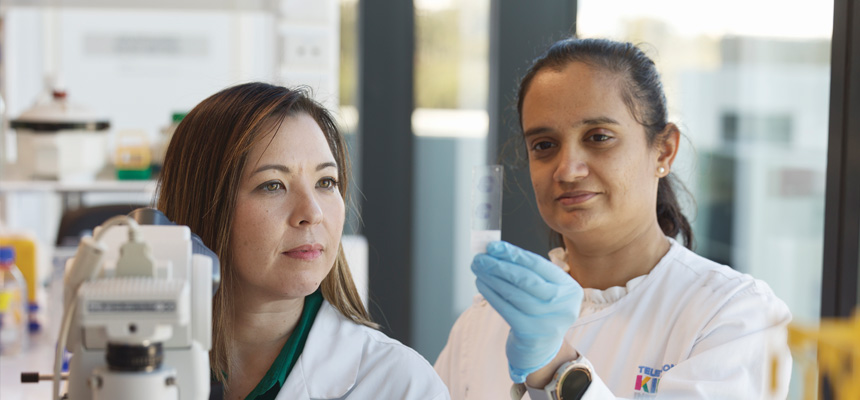
The WA Kids Cancer Centre has a suite of world-leading research projects to unlock new treatments for childhood cancers.
Australia needs a single national pharyngitis guideline to assist in providing rational, consistent and timely antibiotic treatment to patients at high risk of ARF

Wal-yan Respiratory Research Centre PhD student Niamh Troy has found how OM85 helps babies fight off severe lung infections.
To identify and describe potentially vaccine-preventable child deaths in New South Wales (NSW).
In 2014, germline signal transducer and activator of transcription (STAT) 3 gain-of-function (GOF) mutations were first described to cause a novel multisystem disease of early-onset lymphoproliferation and autoimmunity.
Promotion of regular physical activity is an integral part of diabetes care delivery and health care providers should promote this message at every available opportunity