
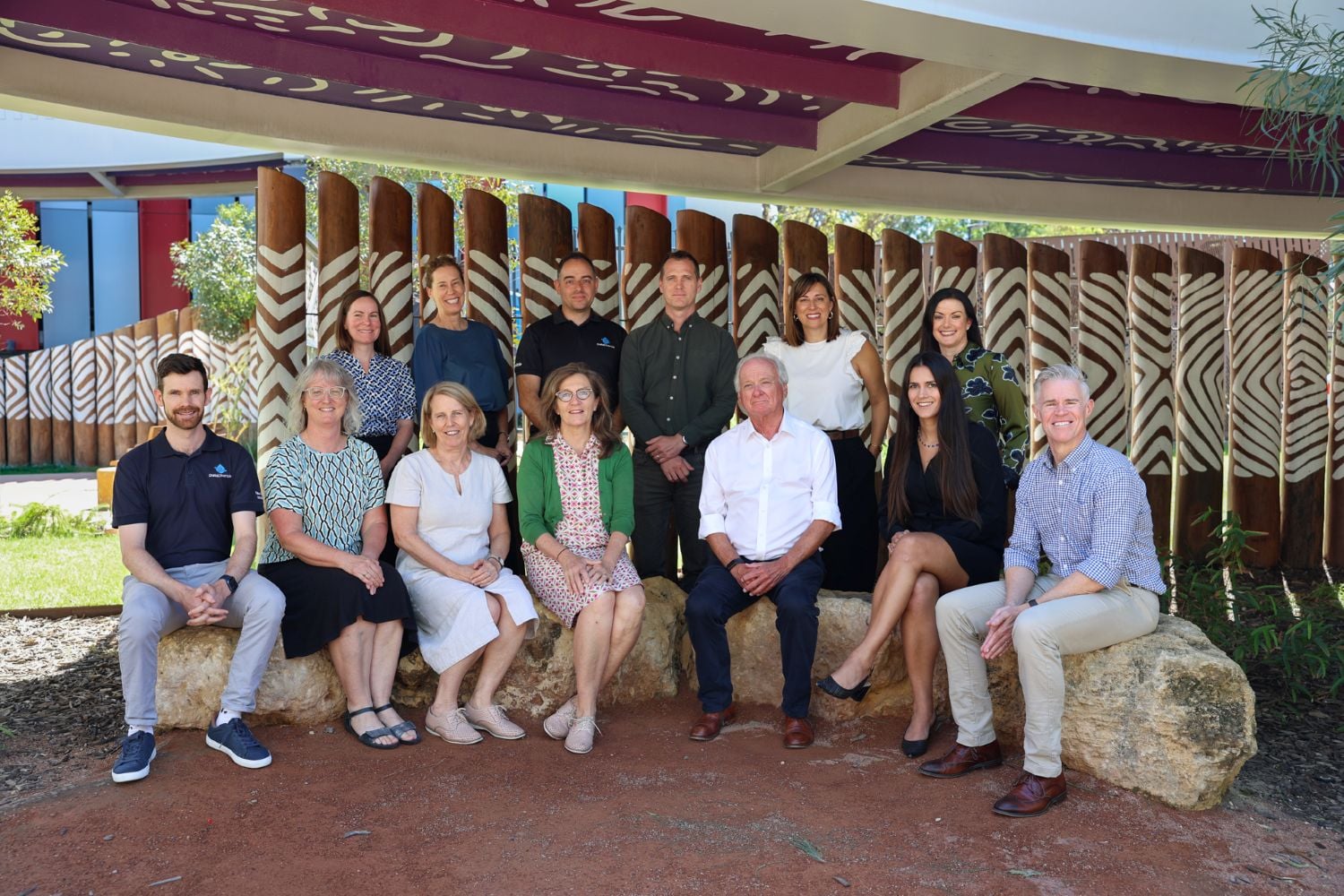
First-of-its-kind digital platform transforming diabetes care set to expand its capability
Our research on Trauma-Informed Care in Paediatric Healthcare is guided by the people it’s about: young people, parents and carers, and hospital staf…
with Leah Pascoe

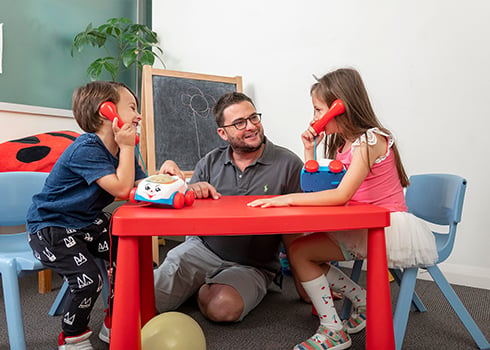
Senior Speech Pathologist Sally Grauaug looks at how to build the foundations of communication with your child.
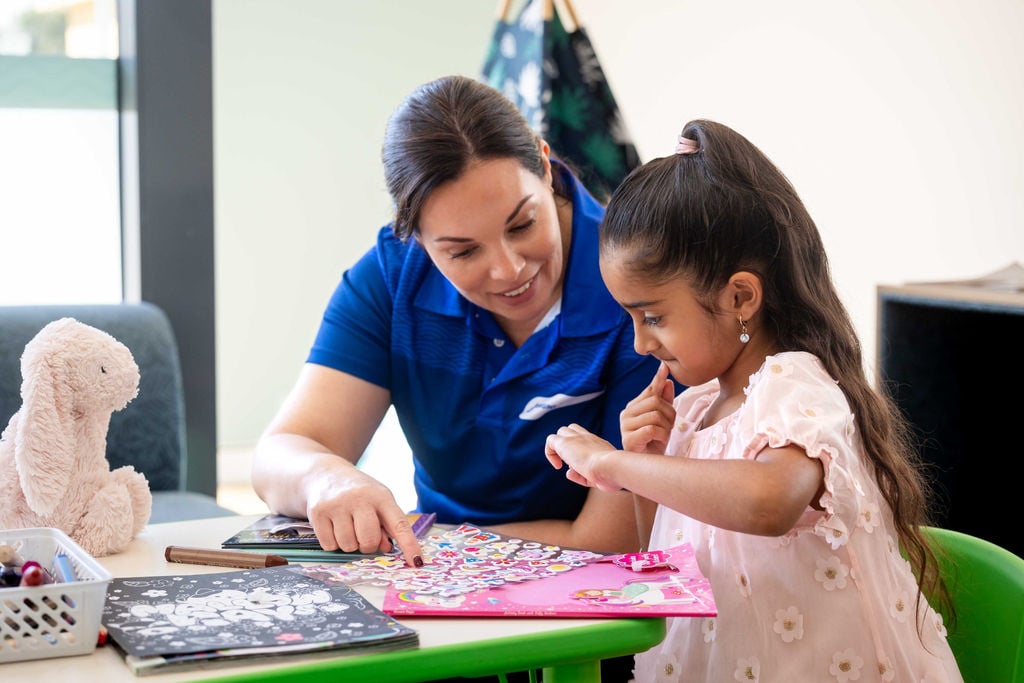
In this blog, Therapy Assistant and JASPER Practitioner Storme-Louisa Will offers some tips for promoting authentic and enjoyable play.
Your data can help researchers build a clearer picture of the health priorities facing Australian families.
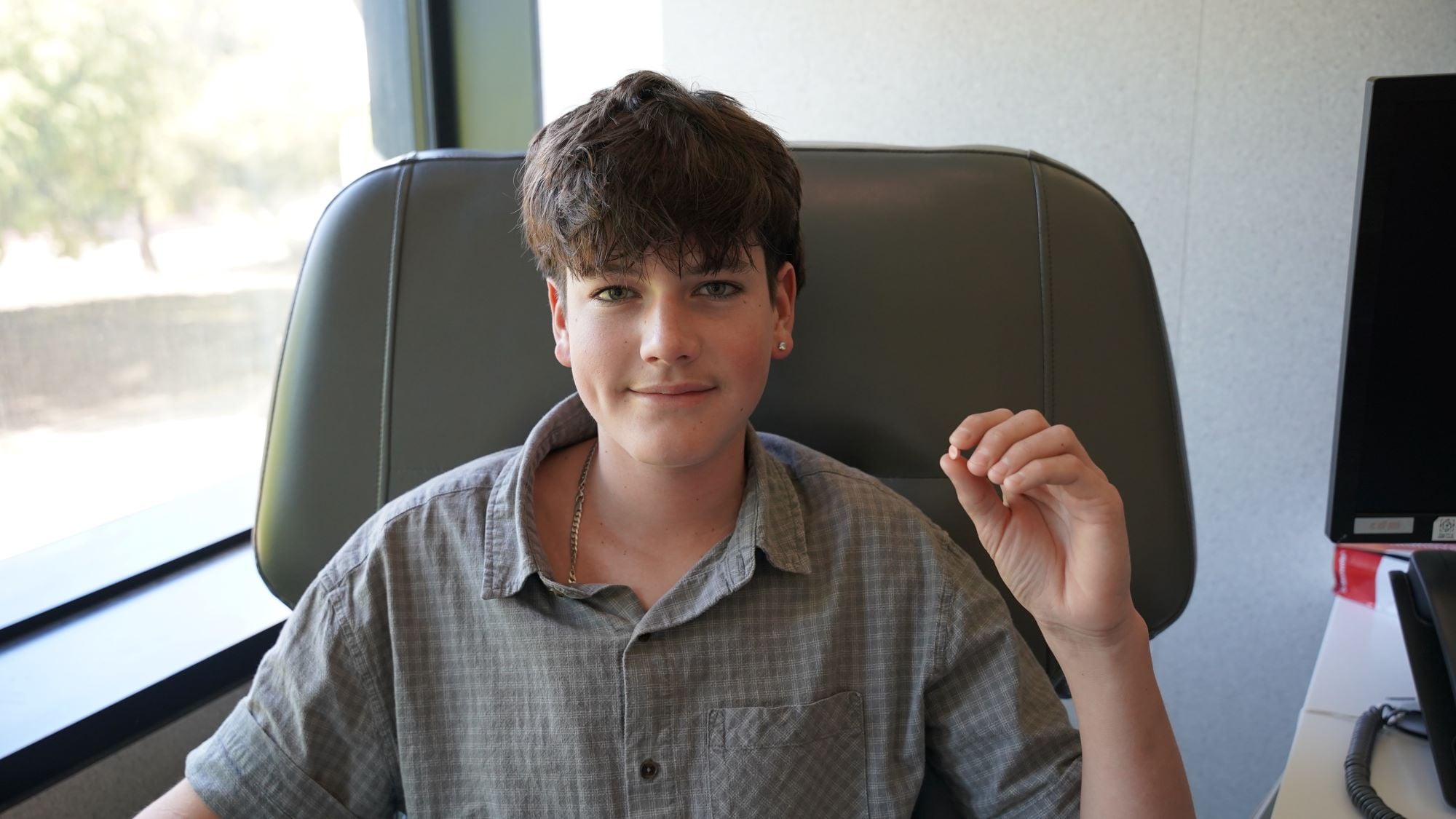
We are in a new era of T1D care. We can now identify and provide care for people across a spectrum of T1D, from early-stage T1D to symptomatic insuli…

In this blog, Speech Pathology Clinical Lead Aria May and Occupational Therapy Clinical Lead Marie Rodatz share their top tips for making the most of…
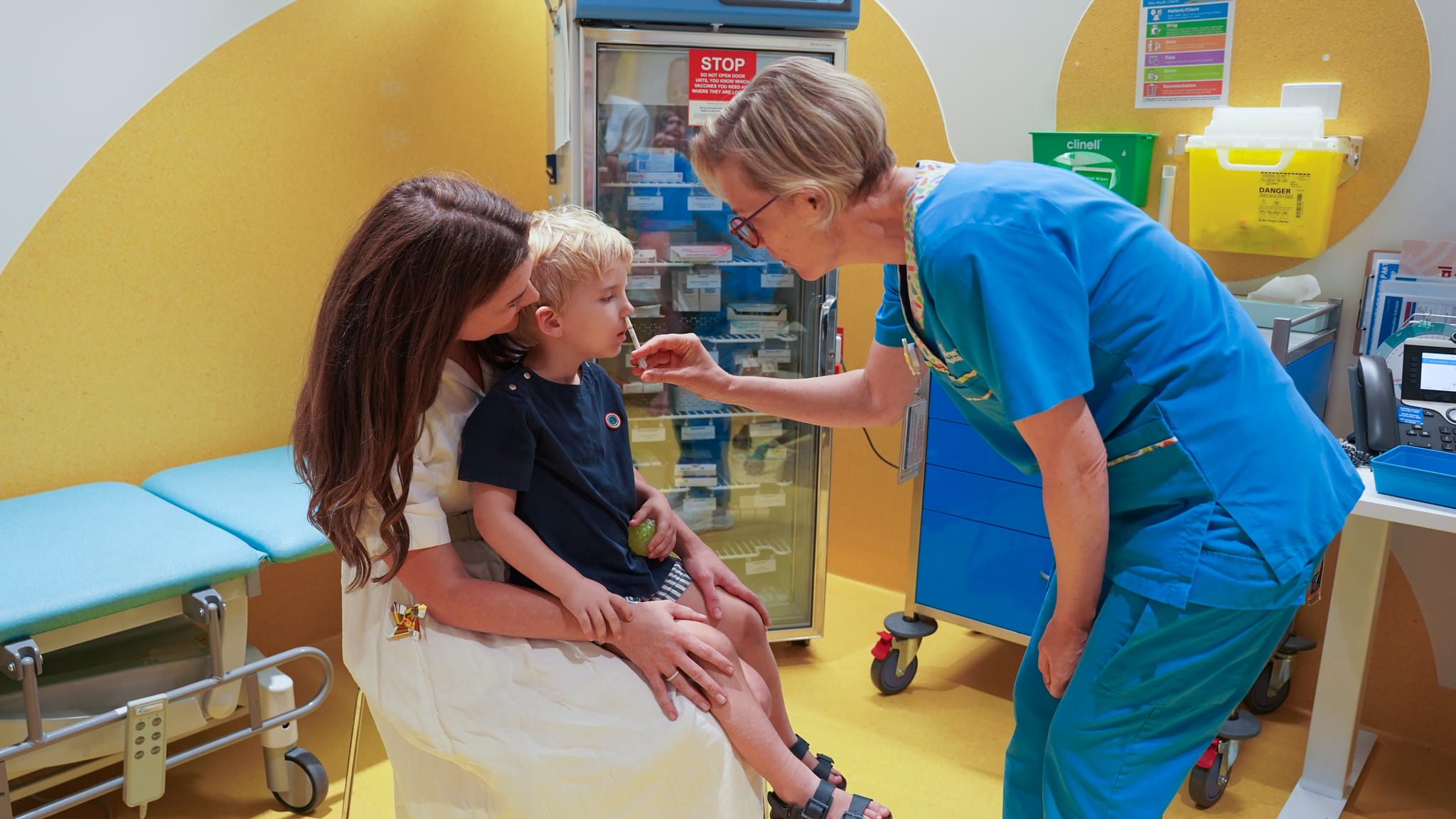
More young Western Australians will have access to needle-free protection against influenza this winter, with the WA Government expanding its nation-…

In this blog, Occupational Therapy Clinical Lead Marie Rodatz shares top tips for developing independence with daily living skills —bathing or shower…