
Search
Showing results for "Childhood interstitial lung disease "

The Kids Research Institute Australia is playing a key role within a global team of experts whose work is transforming efforts to tackle a potentially deadly disease that disproportionately affects Aboriginal and Torres Strait Islander children in remote Australia.

Researchers at The Kids Research Institute Australia have found children with vitamin D deficiency are more likely to develop asthma.
This protocol outlines the study aims to investigate the causal effect of psychosocial functioning, parenting and attachment on physical health outcomes in...
A birth acellular pertussis vaccine may be a valuable alternative for immunity against infant pertussis when a pregnancy pertussis vaccine has not been administered. We assessed whether a birth dose may impair immunoglobulin G (IgG) responses to childhood pertussis boosters.
Paradoxically, rare diseases are common, collectively affecting 6-10% of the population and have a huge impact on patients and families, health services,...
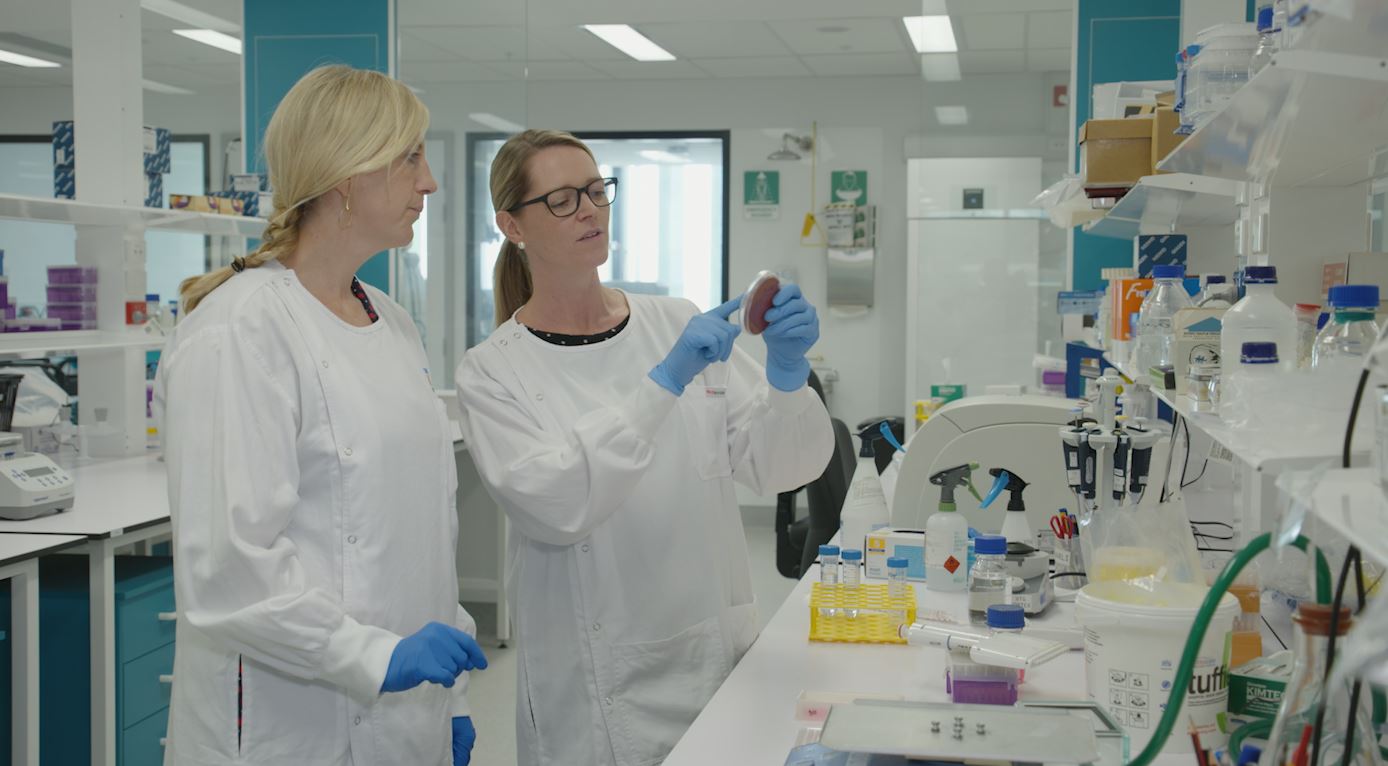
Wiping out childhood ear infections could become a reality thanks to new research identifying the main bacteria responsible for recurrent ear infections and repeat ear surgeries.
We observed an association between Type III DNA methyltransferase presence and Otitis Media-associated middle ear isolates
Peter Lea-Ann Ruth Richmond Kirkham Thornton MBBS MRCP(UK) FRACP PhD PhD Head, Vaccine Trials Group Co-Head, Bacterial Respiratory Infectious Disease
Janessa Lea-Ann Peter Ruth Pickering Kirkham Richmond Thornton BSc PhD PhD MBBS MRCP(UK) FRACP PhD Senior Research Fellow (currently HOT NORTH Early
Antimicrobial resistance is a global health crisis, which has accelerated due to the overuse of antibiotics.