
Search
Showing results for "preterm birth lungs"
Docosahexaenoic acid (DHA) is a component of neural tissue. Because its accretion into the brain is greatest during the final trimester of pregnancy, infants born before 29 weeks' gestation do not receive the normal supply of DHA. The effect of this deficiency on subsequent cognitive development is not well understood.
Probiotics may be neuroprotective for preterm neonates due to their anti-inflammatory effects and ability to facilitate nutrition. AIM: To assess long-term effects of early probiotic supplementation on neuropsychological development in preterm infants
Normal in utero lung development and growth rely upon the expansion of airspaces and the controlled efflux of lung liquid into the amniotic space. Infants with congenital diaphragmatic hernia (CDH) also have lung hypoplasia due to occupation of the chest cavity by the stomach and bowel and, in the most severe cases, the liver. Balloon tracheal occlusion reduces the severity of lung hypoplasia in fetuses with CDH but increases the risk of premature birth.
A Cochrane 2016 review indicated cycled light might benefit neonatal health in hospital. We systematically reviewed chronobiological factors for neonatal health in hospital units, identifying 56 relevant studies on light-dark cycles, feeding, noise, massage therapy, rooming-in, incubators vs. cribs, neonatal units vs. homes, and time-of-day of birth. Empirical evidence for benefits from chronobiology is weaker than expected, including light.
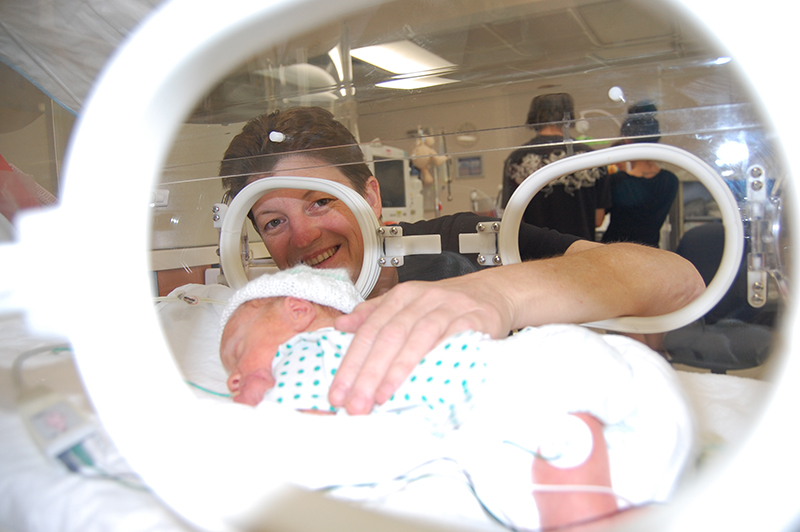
The Chronobiology team works to understand the factors that contribute to poor lung and heart function in newborn infants and find ways to prevent heart and lung disease.

The hearts of everyone at The Kids go out to the family and friends of Lachlan Hernaman, a long-term participant in lung health research who died suddenly on April 30.
In cystic fibrosis, bacteria–bacteriophage interaction in the lower airways is poorly understood. We present the near-complete genome of the uncultured Siphovirus-like bacteriophage, Staphylococcus aureus phage COMBAT-CF_PAR1, isolated from the lower airways. The genome spans 41,510 bp with 33.45% guanine–cytosine content and contains 65 open reading frames.
Vitamin D may be essential for restricting the development and severity of allergic diseases and asthma, but a direct causal link between vitamin D...
The aim of our study was to characterize the activity of TNAP on TLR agonists and assess the concentrations of plasma ALP during late-onset sepsis in newborns.
Heat-inactivated probiotics (HPs) may provide an effective alternative to live probiotics by avoiding their risks (eg, probiotic sepsis) while retaining the benefits. We assessed the safety and efficacy of a HP in very preterm (VP: gestation <32 weeks) infants.