
Significantly greater depth-wise facial asymmetry was identified in autistic children relative to the two comparison groups
Overall, we found that the regulatory variants in autism spectrum disorder cases were enriched in ASD-risk genes and genes involved in fetal neurodev…
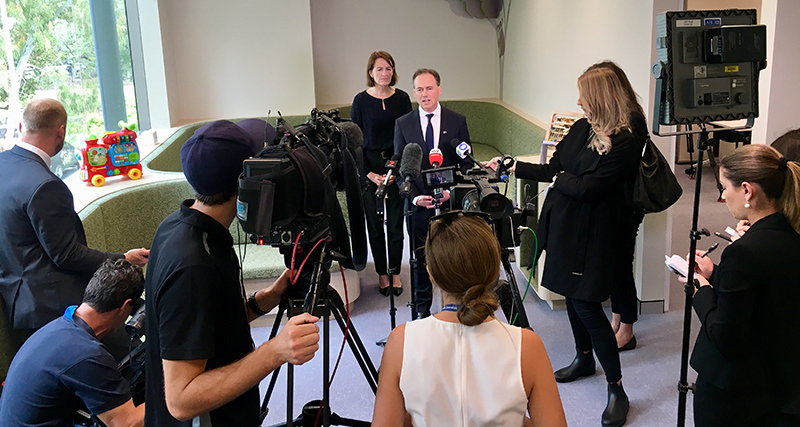
Western Australian babies and children with autism and developmental delay will be able to access world-first therapies and interventions backed by t…
Treatment with fluoxetine compared with placebo resulted in significantly lower scores for obsessive-compulsive behaviors at 16 weeks

For kids on the autism spectrum, it’s not always easy to enjoy art without becoming overwhelmed, overstimulated or anxious.
Current findings indicate that gender diverse children and adolescents with indicated ASD comprise an especially vulnerable group at risk of mental h…
An increased prevalence of autism spectrum disorder (ASD) among children of immigrant backgrounds has been observed
A pre-emptive intervention for the autism spectrum disorder prodrome had no immediate treatment effect on early autism spectrum disorder symptoms
In the first multinational study of birth seasonality of autism spectrum disorder, there was evidence supporting the presence of seasonal trends in F…
Anxiety and sleep problems may be an early indicator of autism in young children and early autistic traits may also contribute to anxiety problems la…