Search
Research
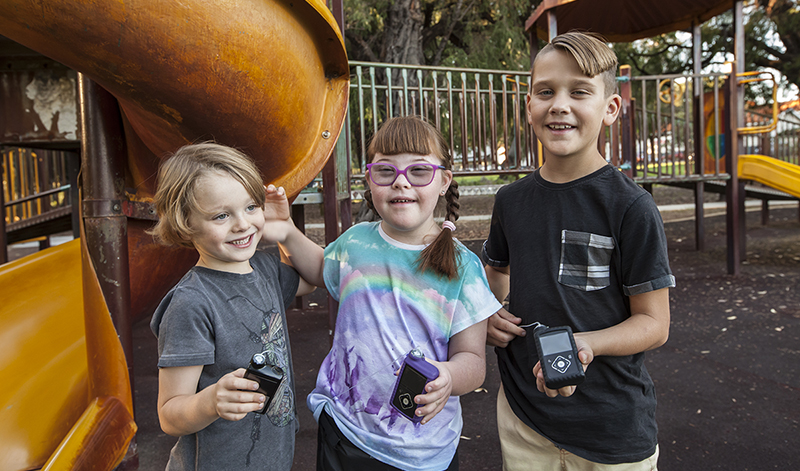
Predictive low glucose suspend study – Randomised Controlled trialTesting a feature of the MiniMed 640G insulin pump, which when used together with a real-time continuous glucose sensor can suspend and resume insulin delivery
Research
How do high protein and/or high fat meals affect postprandial glycaemic control in children using intensive insulin therapy?Investigating the effect of fat and protein content of a standardised carbohydrate meal on the post-prandial glycaemic response in children with type 1 diabetes
Research
Type 1 DiabetesA lifelong auto-immune condition that can affect anyone, but is most commonly diagnosed in childhood.
News & Events
Navigating the teenage years with type 1 diabetesThe teenage years can be a challenging time for families, a period made even more difficult if a child has type 1 diabetes.
News & Events
30% of children at risk of future heart diseaseAlmost 30% of 14-year-old Australian children fall within a group identified as being at future increased risk of heart disease, type 2 diabetes or stroke
Research
Impact of Missing Data on the Accuracy of Glucose Metrics from Continuous Glucose Monitoring Assessed Over a 2-Week PeriodTo explore the impact of missing data on the accuracy of continuous glucose monitoring (CGM) metrics collected for a 2-week period in a clinical trial.
Research
Efficacy of the MiniMed™ 670G hybrid closed loop system in managing postprandial glucose excursion with high protein high fat foods in children and adolescents under free-living conditionsHigh protein high fat meals are considered “difficult” foods because they can cause prolonged hyperglycemia after ingestion. The potential of hybrid closed loop therapy in managing postprandial glucose excursions with these difficult foods remains unknown. This pilot study aimed to explore the impact of manual mode in standard insulin pump therapy and auto mode with hybrid closed loop pump therapy in managing glucose excursions caused by HPHF foods and to obtain feedback from families about each mode.
Research
Development of a Novel Mobile Health App to Empower Young People With Type 1 Diabetes to Exercise Safely: Co-Design ApproachBlood glucose management around exercise is challenging for youth with type 1 diabetes (T1D). Previous research has indicated interventions including decision-support aids to better support youth to effectively contextualize blood glucose results and take appropriate action to optimize glucose levels during and after exercise. Mobile health (mHealth) apps help deliver health behavior interventions to youth with T1D, given the use of technology for glucose monitoring, insulin dosing, and carbohydrate counting.
Research
ISPAD Clinical Practice Consensus Guidelines 2022: Definition, epidemiology, and classification of diabetes in children and adolescentsCitation: Libman I, Haynes A, Lyons S, Pradeep P, Rwagasor E, et al. ISPAD Clinical Practice Consensus Guidelines 2022: Definition, epidemiology, and
Research
Reproducibility of plasma glucose responses to moderate-intensity exercise in individuals with type 1 diabetesTo examine the within-person variability in plasma glucose responses to moderate-intensity morning exercise in young individuals with type 1 diabetes after overnight fasting and under basal insulin conditions.