
Most support programmes for Autistic children are available only after they are diagnosed. Research suggests that parenting supports may be helpful f…
Colostrum is the first milk for a newborn. Its high content in microbiota shaping compounds and its intake at the time of gut microbiota seeding sugg…
A problem that applied researchers and practitioners often face is the fact that different institutions within research consortia use different scale…
Early childhood is foundational for optimal and inclusive lifelong learning, health and well-being. Young children with disabilities face substantial…
We are working with the leadership and staff at foster care agencies and community members to provide information about cultural connection, and cult…
Natural outdoor environments provide important settings for children to engage in physical activity. It is unclear if these relationships also exist…
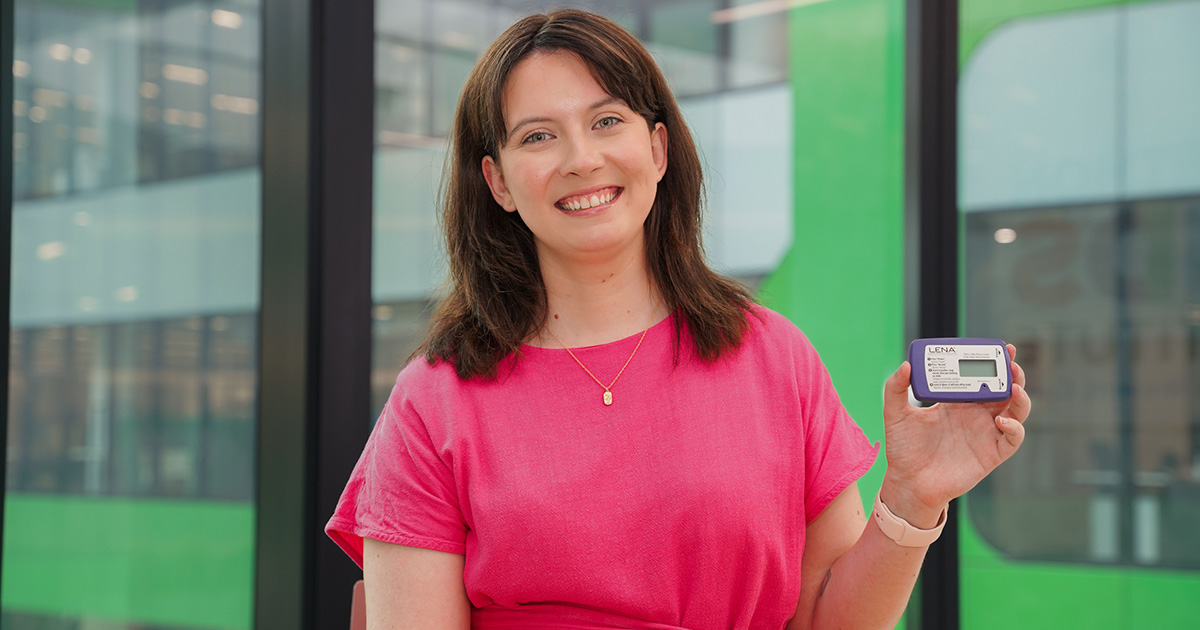
A The Kids Research Institute Australia researcher whose PhD studies highlighted the link between screen time exposure and toddlers’ language develop…
Data on static compliance of the chest wall (Ccw) in preterm infants are scarce. We characterized the static compliance of the lung and Ccw to determ…
Non-invasive and sensitive clinical endpoints are needed to monitor onset and progression of early lung disease in children with cystic fibrosis (CF)…
Chorioamnionitis is a common antecedent of preterm birth and induces inflammation and oxidative stress in the fetal lungs. Reducing inflammation and…