
Search
Showing results for "early lung health"
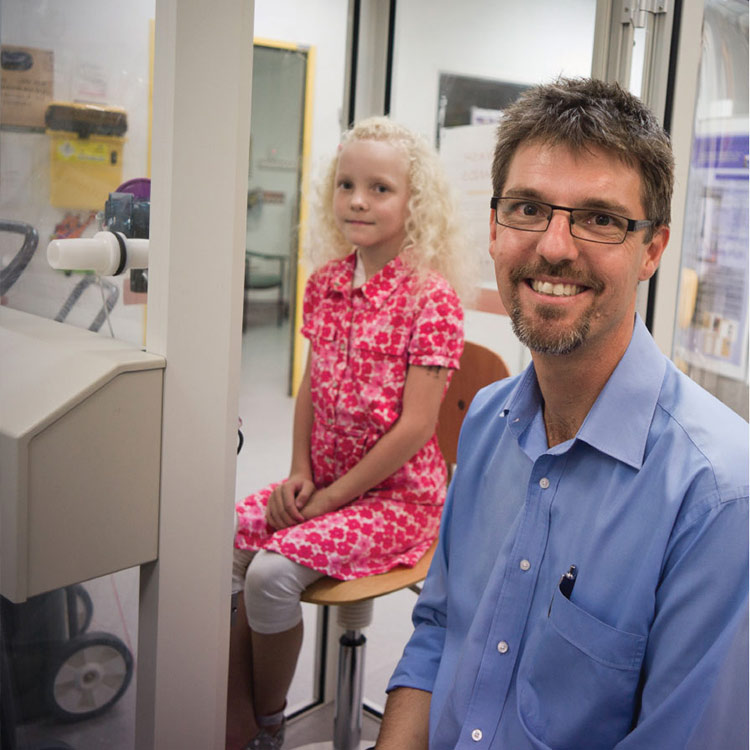
Life expectancy was in the 20s for children born with cystic fibrosis 30 years ago, today it is in the 30s. Professor Graham Hall is leading this research.
The paediatric population has a low adherence and acceptance rate of unpalatable medicines. This study aimed to determine whether eating chocolate immediately prior to drug administration would help to mask the bitter taste of a drug. The difference in taste masking efficacy between white, milk and dark chocolate was a secondary measure outcome.
Obstructive sleep apnea poses as an anesthetic challenge, and it is a well-known risk factor for perioperative adverse events
dentifying the outcomes that matter in clinical research is important, especially those that matter to patients and their parents/guardians. Consistency in outcome reporting enables meaningful assessments of interventions and facilitates comparison of results across trials. The aim of this study was to develop core outcome sets for pediatric perioperative research.
Our work has identified a clinically relevant host-derived factor that may participate in shaping early events in the aetiology of CF respiratory disease
To examine researchers' reports of adherence to ethical principles in their most recent research project, including factors associated with higher self-reported adherence, and perceptions of how research conduct could be improved.
To examine self-reported practices for obtaining ethics approval and reflections on ethics application processes among researchers who have conducted Aboriginal and Torres Strait Islander health and medical research.
Revising public health policy based on new data does not happen automatically. This is acutely relevant to the now undeniable evidence that many diseases develop differently between the sexes and may also be affected by gender. Current health and medical practices across the globe generally fail to cater for sex and gender effects in common diseases.
Men’s Sheds offer promising sites for unique health promotion opportunities, and while prior work has identified potential mechanisms that may support wellbeing, these mechanisms are yet to be empirically clarified in the Men’s Shed context. This study investigated the relationships between engagement in Men’s Sheds, social identification, social connectedness, social support, and wellbeing outcomes in Men’s Shed members in Western Australia.
Aboriginal and Torres Strait Islander women experience a disproportionate burden of hyperglycaemia in pregnancy. A multi-component health systems intervention aiming to improve antenatal and postpartum care was implemented across Australia’s Northern Territory (NT) and Far North Queensland (FNQ) between 2016 and 2019. Components included clinician education, improving recall systems, enhancing policies and guidelines, and embedding Diabetes in Pregnancy (DIP) Clinical Registers in systems of care. This program was evaluated to determine impacts on clinical practice and maternal health.