
Search
Showing results for "mental health aboriginal"
Research Assistant
Kai Age 19. Youth advocate, project community member. I am very passionate about LGBTQIA+ research, mental health and homelessness. The first time I
To characterise the epidemiology, clinical features and treatment of paediatric cellulitis. Methods A retrospective study of children presenting to a paediatric tertiary hospital in Western Australia, Australia in 2018.
The relationship between ethnicity and mortality of patients critically ill with COVID-19 in Australia has not been described. Defining those communities at the highest risk of severe COVID-19 may assist with formulating effective public health policy and may improve the equitable delivery of health care in Australia.
Program Manager, BREATH
Supports are needed for families with children with disabilities to assist in meeting the child's health and developmental needs, but also to support the parents in managing the often more complex parenting environment.
Individuals with Prader-Willi syndrome (PWS) often have excessive daytime sleepiness and emotional/behavioral disturbances. The objective of this study was to examine whether daytime sleepiness was associated with these emotional/behavioral problems, independent of nighttime sleep-disordered breathing, or the duration of sleep.
Globally, Indigenous peoples have incurred significant harm due to colonisation of their lands. Dispossession of culture, language, family and land, and the historical, systematic removal of children in Australia (the ‘Stolen Generation’), has resulted in evident ongoing negative outcomes in the contemporary lives of Aboriginal and Torres Strait Islander people.
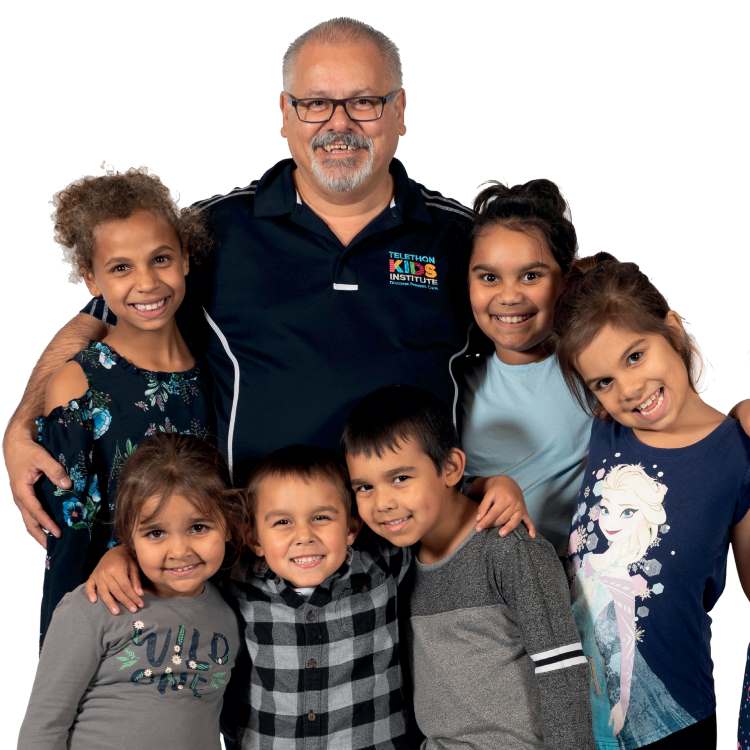
Led by nine Elders, the Ngulluk Koolunga Ngulluk Koort Project is working to generate a better understanding of early childhood development from an Aboriginal/Nyoongar perspective.
The aim of this paper was to describe the meaning of wellbeing for children and youth with disabilities from their perspective.