
Search
Showing results for "Childhood interstitial lung disease "

After being diagnosed with rheumatic heart disease at ten, Elizabeth had to leave country and her family for a large chunk of her childhood so she could be treated in Adelaide.
The impact of the 23vPPV booster on IPD incidence among Australian Indigenous children is unclear from regional reports of small case numbers.
Background: High incidence and serotype diversity of invasive pneumococcal disease (IPD) in Indigenous children in remote Australia led to rapid introduction of
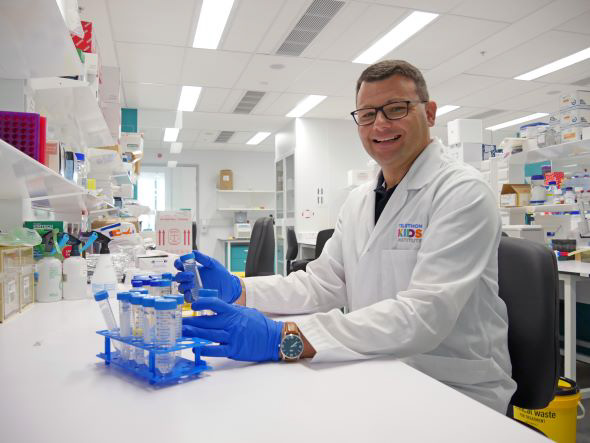
Nearly 50 existing prescription medications already used by Australians will be tested by new research in the fight against COVID’s mutant variants.

The Wal-yan Respiratory Research Centre is seeking expressions of interest from Western Australians to join an Antimicrobial Resistance (AMR) Community Reference Group, to provide vital community perspectives on the research activities into this global health concern.
Our findings indicate that COPD, cigarette smoke and macrolide antibiotics potentiate the susceptibility to persistent intracellular NTHi
There is controversy regarding whether cystic fibrosis (CF) airway epithelial cells (AECs) are intrinsically proinflammatory.
To assess the relative effectiveness of topical versus systemic antibiotics for people with chronic suppurative otitis media
We are living in a time of unprecedented risk for noncommunicable diseases (NCDs), such as obesity, cardiovascular disease, diabetes, cancer...

The Kids Research Institute Australia researchers have been awarded 12 grants in the latest round of funding from the WA Child Health Research Fund (formerly the Telethon-Perth Children’s Hospital Research Fund).