
Search
Showing results for "clinical trials"
Variation over time in medical conditions and health service utilization of children with Down syndrome.
Fetal head circumference (HC) growth was examined prospectively in children with autism spectrum disorder (ASD).
Physical and mental health in mothers of children with Down syndrome.
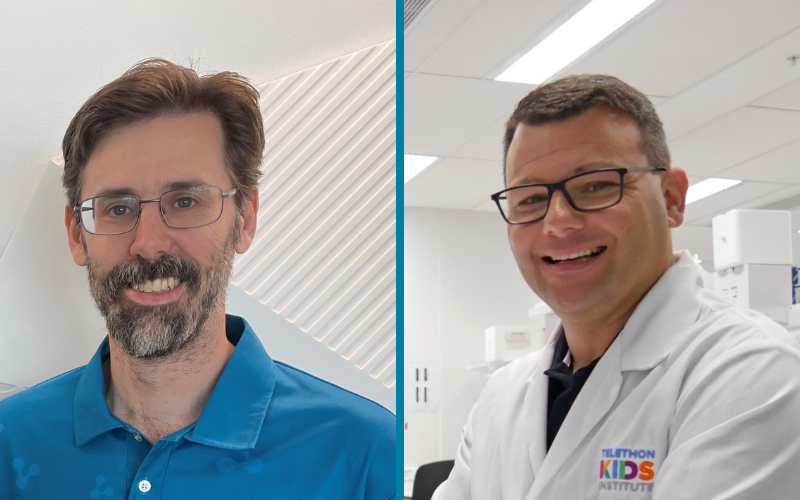
Researchers from the Wal-yan Respiratory Research Centre are collaborating with Virex Pharma to undertake vital research into a potential breakthrough treatment for RSV infections in young children, thanks to a $499,241 grant awarded by the WA Department of Health Innovation Seed Fund.
The Rio Tinto Children’s Diabetes Centre; a Breakthrough T1D Centre of Excellence at The Kids Research Institute Australia and Perth Children’s Hospital (PCH), is a global hub for research into type 1 diabetes (T1D) in children.
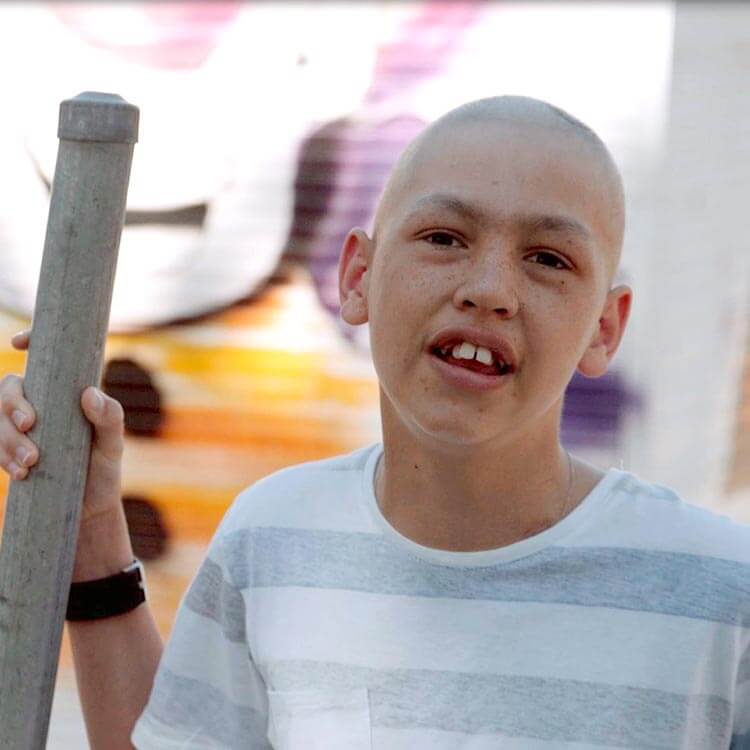
The Cancer Immunology team at The Kids is investigating how the body's 'natural killer' cells can be harnessed to fight cancer – whilst also protecting kids from nasty chemotherapy side effects.
Cognitive and motor dysfunction are hallmark features of the psychosis continuum, and have been detected during late childhood and adolescence in youth who report psychotic experiences (PE). However, previous investigations have not explored infancy and early childhood development.
Gail Andrew Videos Alvares Whitehouse Watch and listen to Andrew PhD PhD Principal Research Fellow Deputy Director (Research); Angela Wright Bennett
Childhood asthma begins as wheeze (a whistling sound produced by the airways during breathing) during preschool age.
André Graham Ingrid Schultz Hall Laing MBChB, PhD, FRACP BAppSci PhD CRFS FANZSRS FThorSoc FERS BSc PhD Head, BREATH Team Honorary Research Associate