
Search
Showing results for "lung disease preterm"
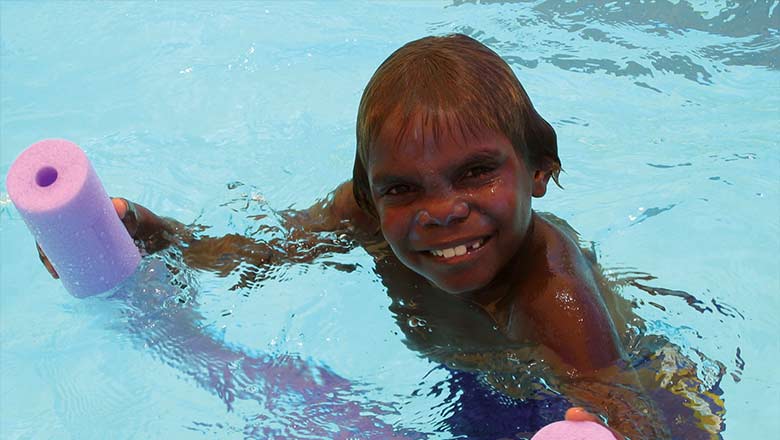
A comprehensive study into the impact of swimming pools in remote Aboriginal communities has found significant health and social benefits for children.
Here we review the current knowledge of key molecular pathways that are dysregulated during persistent goblet cell differentiation
Repeated video instruction over time improves inhaler technique in young children
Here, we present the complete genome sequence of Pseudomonas aeruginosa phages Kara-mokiny 1, Kara-mokiny 2, and Kara-mokiny 3. These phages have lytic capabilities against P. aeruginosa and belong to the myovirus morphotype. The genomes of Kara-mokiny 1 and Kara-mokiny 2 are 67,075 bp while that of Kara-mokiny 3 is 66,019 bp long.
Avian influenza viruses (AIVs) pose a growing global health threat, particularly in low- and middle-income countries (LMICs), where limited surveillance capacity and under-resourced healthcare systems hinder timely detection and response. Migratory birds play a significant role in the transboundary spread of AIVs, yet data from key regions along migratory flyways remain sparse. To address these surveillance gaps, we conducted a study between December 2021 and February 2023 using fresh bird guano collected across 10 countries in the Global South.
Active nasal surveillance culture (ANSC) is recognized to enable rapid detection of antibiotic-resistant bacteria in the intensive care unit (ICU), which can contribute to the prevention of Ventilator-associated pneumonia (VAP). This study aims to evaluate the usefulness of ANSC in assessing the development of VAP in ICU patients.

The lungs represent a key interface between the body and the environment.
The excess stroke incidence in Aboriginal South Australians appears substantial, especially in those aged <55 years
The Australasian guidelines recommend use of the CHA2 DS2 -VA schema to stratify ischaemic stroke risk in patients with non-valvular atrial fibrillation (N-VAF) and determine risk thresholds for recommending oral anticoagulant (OAC) therapy. However, the CHA2 DS2 -VA score has not been validated in a representative Australian population cohort with N-VAF, including in Aboriginal people who are known to have a higher age-adjusted stroke risk than other Australians.
Detailed, comprehensive, and timely reporting on population health by underlying causes of disability and premature death is crucial to understanding and responding to complex patterns of disease and injury burden over time and across age groups, sexes, and locations. The availability of disease burden estimates can promote evidence-based interventions that enable public health researchers, policy makers, and other professionals to implement strategies that can mitigate diseases.