
Search
Showing results for "preterm birth lungs"
There is a lack of data on the out-of-hospital burden of acute lower respiratory infections (ALRI) in developed countries.
Children in Papua New Guinea (PNG) are at high risk of pneumococcal infections. We investigated pneumococcal carriage rates, serotype distribution, and antimicrobial susceptibility in PNG children after vaccination with 10-valent or 13-valent pneumococcal conjugate vaccines (PCV10; PCV13).
Christopher Peter Peter Tom Blyth Jacoby Richmond Snelling MBBS (Hons) DCH FRACP FRCPA PhD BA (Hons) MSc MBBS MRCP(UK) FRACP BMBS DTMH GDipClinEpid

We’ve linked some helpful resources to assist you in your journey to healthy screen time habits in and outside of your household.
The EQ-5D-Y-5L is a generic preference-based measure of health-related quality of life for children. This study aimed to describe the distributional properties, test-retest reliability, and convergent validity of the EQ-5D-Y-5L in children with intellectual disability (ID).
Globally, rates of children with physical and mental health problems are increasing. Health issues in early childhood often persist into adulthood, highlighting the need to ensure children are supported to flourish from the start of life.
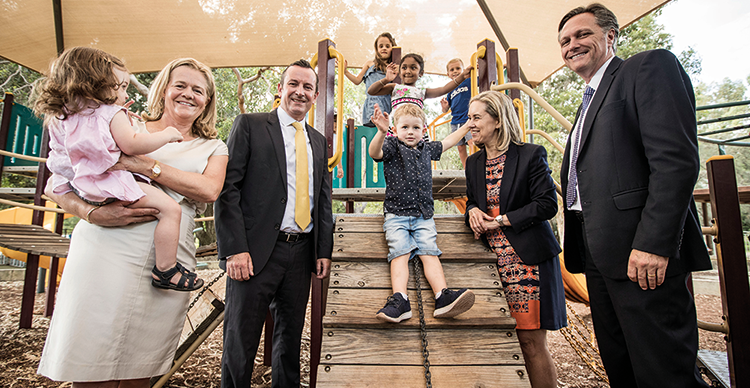
As we all know, we only get one start in life. Like the Minderoo Foundation, our partners in CoLab, we are determined to ensure that every start is a strong one for children across Australia.

ORIGINS sub-projects investigating the impact of the physical environment and lifestyle on health, development and chronic conditions.
The aim of this study was to devise an evidence-based missing data rule for the Quality of Life Inventory-Disability (QI-Disability) questionnaire specifying how many missing items are permissible for domain and total scores to be calculated using simple imputation.
Pregnancy and the postnatal period can be a time of increased psychological distress, which can be detrimental to both the mother and the developing child. Digital interventions are cost-effective and accessible tools to support positive mental health in women during the perinatal period.