
Search
Showing results for "Childhood interstitial lung disease "
Data on risk factors for respiratory syncytial virus (RSV)-associated hospitalisation in Australian children may be informative for preventive measures.
Hannah Tom Moore Snelling OAM BSc (Hons) GradDipClinEpi PhD BMBS DTMH GDipClinEpid PhD FRACP Head, Infectious Diseases Research Head, Infectious

One of the biggest problems facing young people with neuromuscular disorders is the risk of breathing problems caused by muscle weakness during sleep.

Valuable support from the Stan Perron Charitable Foundation will enable The Kids Research Institute Australia researchers to commence projects on topics ranging from disability, mental health and lung disease to diabetes, Aboriginal leadership, and the development of child-focused pandemic policies.
Our findings indicate that COPD, cigarette smoke and macrolide antibiotics potentiate the susceptibility to persistent intracellular NTHi
There is controversy regarding whether cystic fibrosis (CF) airway epithelial cells (AECs) are intrinsically proinflammatory.
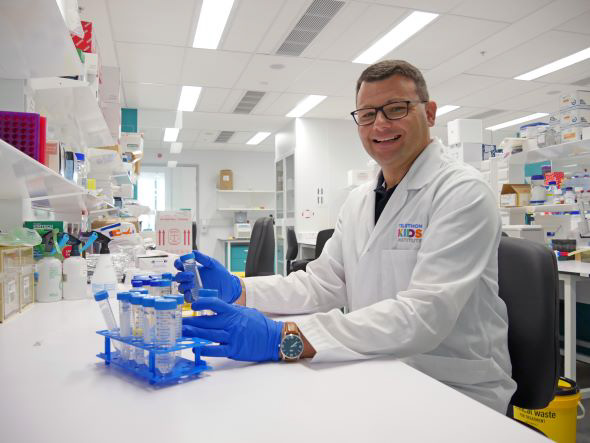
Nearly 50 existing prescription medications already used by Australians will be tested by new research in the fight against COVID’s mutant variants.
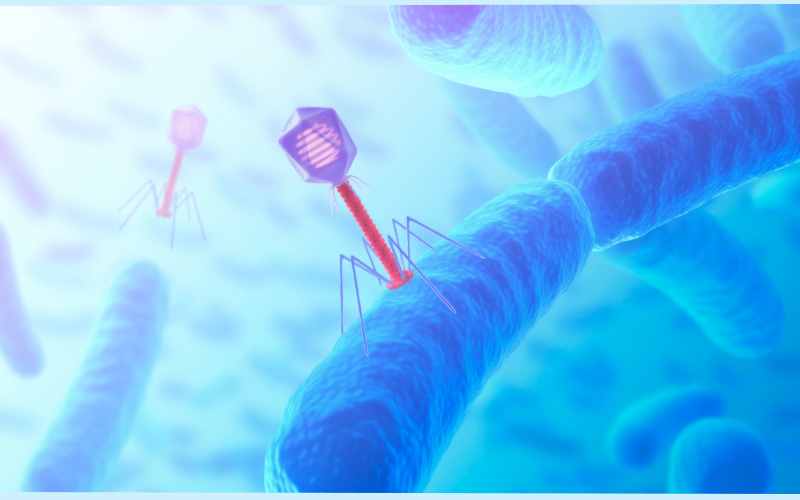
The Wal-yan Respiratory Research Centre is seeking expressions of interest from Western Australians to join an Antimicrobial Resistance (AMR) Community Reference Group, to provide vital community perspectives on the research activities into this global health concern.
Advances in gene and molecular technology finally explain why brain tumour cells that look the same, behave and respond differently to treatment.
Childhood vaccination has played a critical role in the reduction of morbidity and mortality from communicable diseases, including specific respiratory pathogens