
Search
Showing results for "clinical trials"
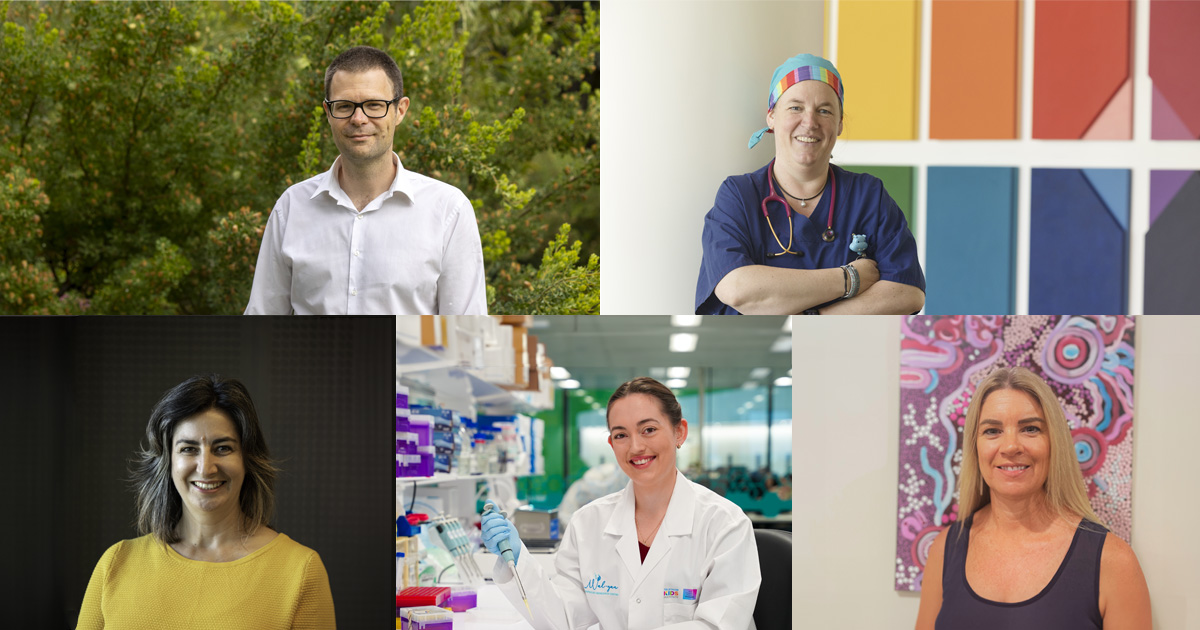
Five The Kids Research Institute Australia researchers working across diverse and highly impactful areas of child health research have been named as finalists for the 2023 Premier’s Science Awards.
Admissions for ARI were higher in Western Australia and displayed greater socioeconomic disparities than England and Scotland, where ARI rates are increasing
Influenza vaccination recommendation by children’s hospital physicians and previous vaccine receipt in hospital was associated with vaccine uptake
Reliance on hospital discharge diagnosis codes alone will likely underestimate the burden of respiratory viruses
In view of its side effect profile, ketogenic diet (KD) administration should be supervised by a pediatric neurologist and specialist dietician.
Prader-Willi syndrome (PWS) is a rare genetic disorder characterised by neurodevelopmental delays, hyperphagia, difficulties with social communication and challenging behaviours. Individuals require intensive supervision from caregivers which may negatively affect caregiver quality of life. This study used data collected in the Australasian PWS Registry to evaluate associations between child behaviours and caregiver mental well-being.
Children with intellectual disabilities are more likely to experience sleep disorders of insomnia, excessive daytime sleepiness and sleep breathing disorders than typically developing children. The present study examined risk factors for these sleep disorders in 447 children (aged 5-18 years), diagnosed with an intellectual disability and comorbid autism spectrum disorder, cerebral palsy, Down syndrome or Rett syndrome. Primary caregivers reported on their child's sleep using the Sleep Disturbance Scale for Children (SDSC), as well as medical comorbidities and functional abilities.
This study aimed to explore relationships between family quality of life, day occupations and activities of daily living of young persons with Down syndrome.
This study assessed factors that could influence equipment and respite services use among Australian families caring for a girl/woman with Rett syndrome and...
This study investigated the relationships between fracture risk and commonly used AEDs in Rett syndrome.