
Search
Showing results for "early lung health"
Using prospective data from the Western Australian Pregnancy Cohort (Raine) Study, we investigated vitamin D status and predictors of serum 25-hydroxyvitamin...

The Kids Research Institute Australia and Perth Children’s Hospital clinician-researchers have found more than one in ten children across four remote Kimberley communities have protracted bacterial bronchitis.

Bronchiectasis is a condition where the lungs become damaged and prone to infections.
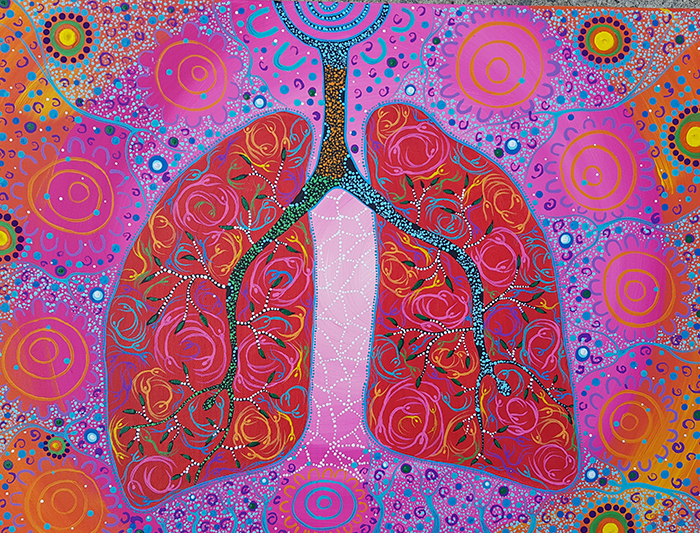
Healthy lungs help you to breathe better. This means you can sleep better, as well as play sports, run and walk without being short winded.

Perth respiratory researchers have discovered that giving an immune booster to mothers during pregnancy could increase their newborns’ resistance to severe and life-threatening respiratory viral infections.
People born preterm (<37 weeks’ gestation) have lower peak oxygen consumption (peak VO2), a well-established indicator of long-term health outcomes, compared to term-born peers. However, responses to exercise can vary with exercise mode, which has implications for prognostic assessments.
Recent birth cohort studies showed a significant interaction between cat ownership at birth and mutations in FLG on the development of early‐onset atopic dermatitis
This review focuses on the scientific rationale for early intervention aimed at asthma prophylaxis and discusses therapeutic approaches
Multimodal analgesia is employed in paediatric pain management to maximise analgesia and minimise side effects. Tramadol is dosed at 1–1.5 mg/kg to treat severe pain in children but the assay for tramadol in plasma samples for pharmacokinetic and toxicology studies does not often consider concurrently administered medications.
Children are at risk of severe hypoxemia in the perioperative period owing to their unique anatomy and physiology. Safe and effective airway management strategies are therefore key to the practice of pediatric anesthesia. The goal of this review is to highlight recent publications (2019-2021) aimed to advance pediatric airway safety and to highlight a proposed simple, pediatric-specific, universal framework to guide clinical practice.