
Search
Showing results for "mental health aboriginal"
The global disruption of the COVID-19 pandemic has impacted the life of every child either directly or indirectly. This review explores the pathophysiology, immune response, clinical presentation and treatment of COVID-19 in children, summarising the most up-to-date data including recent developments regarding variants of concern.
The epidemiology and clinical manifestations of severe acute respiratory syndrome coronavirus 2 (SARS-CoV-2) infection are different in children and adolescents compared with adults. Although coronavirus disease 2019 (COVID-19) appears to be less common in children, with milder disease overall, severe complications may occur, including paediatric inflammatory multisystem syndrome.
Living with a long-term medical condition is associated with heightened risk for mental health and psychosocial difficulties, but further research is required on this risk for children and adolescents with a rare disease in the educational setting. The aim of this study is to describe parents’ perceptions of the psychosocial impact of rare diseases on their school-aged children in Western Australia.

Simple Science Communicating our research Towards better research translation and community impact What is Simple Science? Our Simple Science series
Research Assistant/PhD Student

Research Assistant
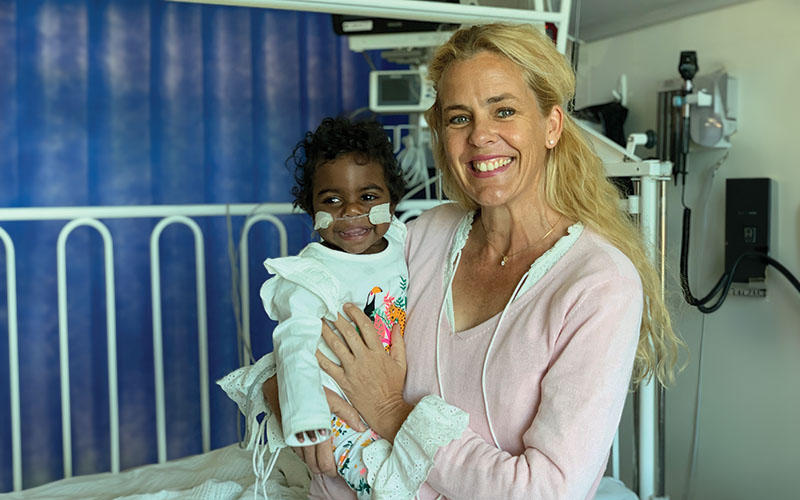
Culturally secure intervention to facilitate medical follow up for Aboriginal children, after being hospitalised with chest infections, have proven to improve long-term lung health outcomes.
Inadequate housing and living conditions underpin significant health and wellbeing inequality in Australia, particularly for Indigenous people. This review aimed to define infectious disease (ID) outcomes used to measure the health impact of inadequate housing in Australia within a research context.

Teenage years can be a challenging time for families, a period made all the more difficult if a child has Type 1 Diabetes.
The Wesfarmers Centre is pleased to announce the successful applications for the 2017 Round 2 Wesfarmers Centre Seed Funding. The Wesfarmers Centre