
Search
Showing results for "1"
Gina Trapp BHSc(Hons1A), RPHNutr, PhD Honorary Research Associate Gina.Trapp@thekids.org.au ARC DECRA Fellow & Head of Food and Nutrition Research Dr
Young children are no exception when it comes to the importance of friendships and social interaction for maintaining good health and well-being. This COVID-19 research project involves surveying parents and monitoring how their young children are coping during this time of social distancing.
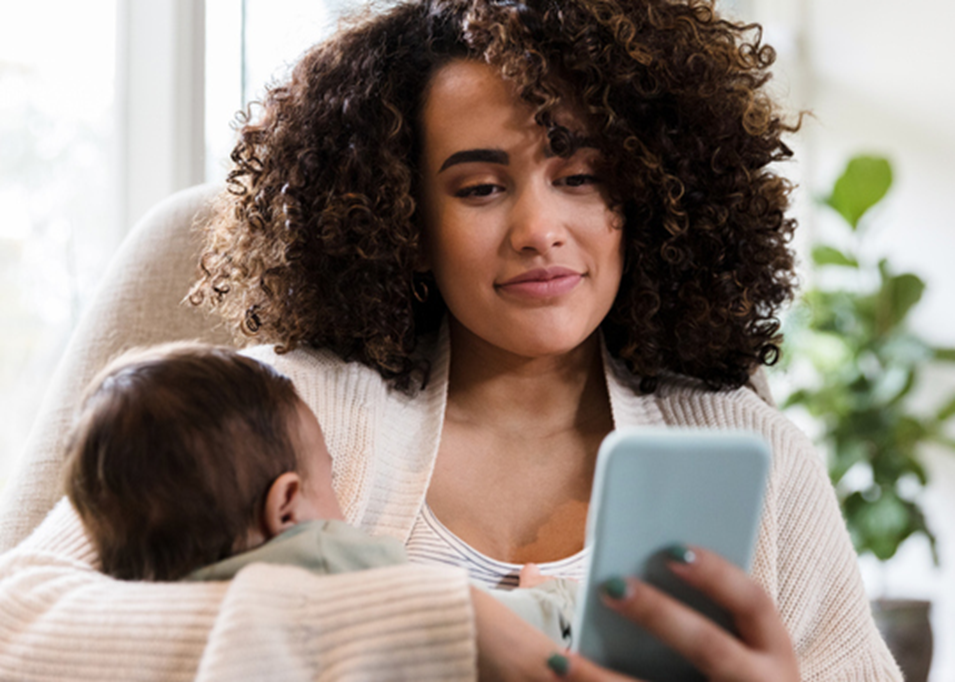
Understanding how families engage with screen technologies and how it may influence child development
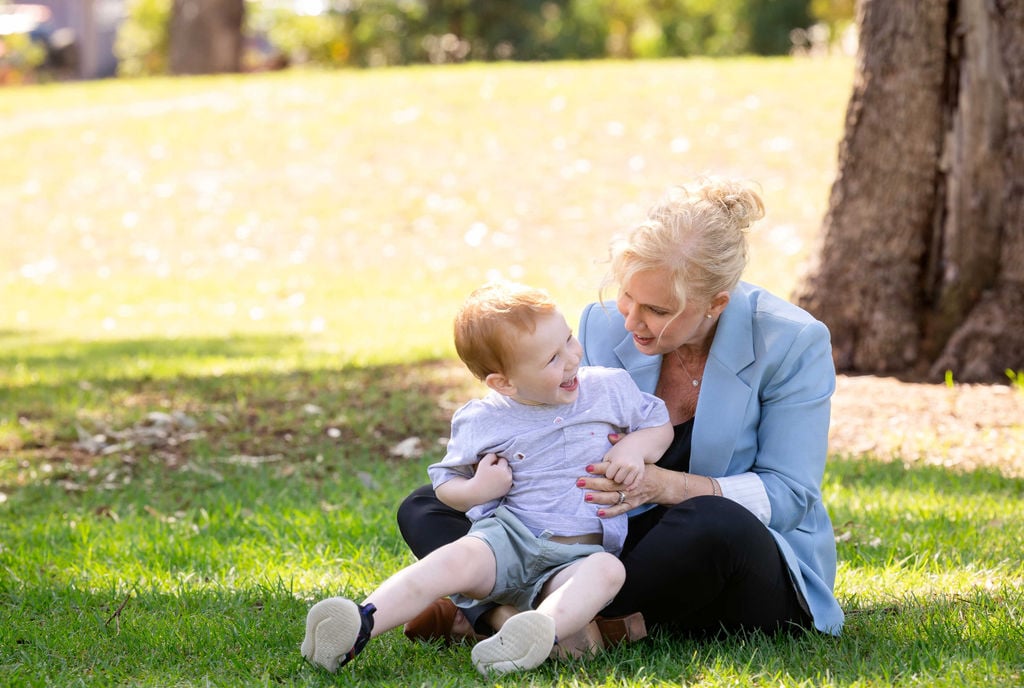
This study is aiming to investigate how sun exposure and time outside impacts the health of your child’s eye and eye growth, over a period of rapid growth in their lives.
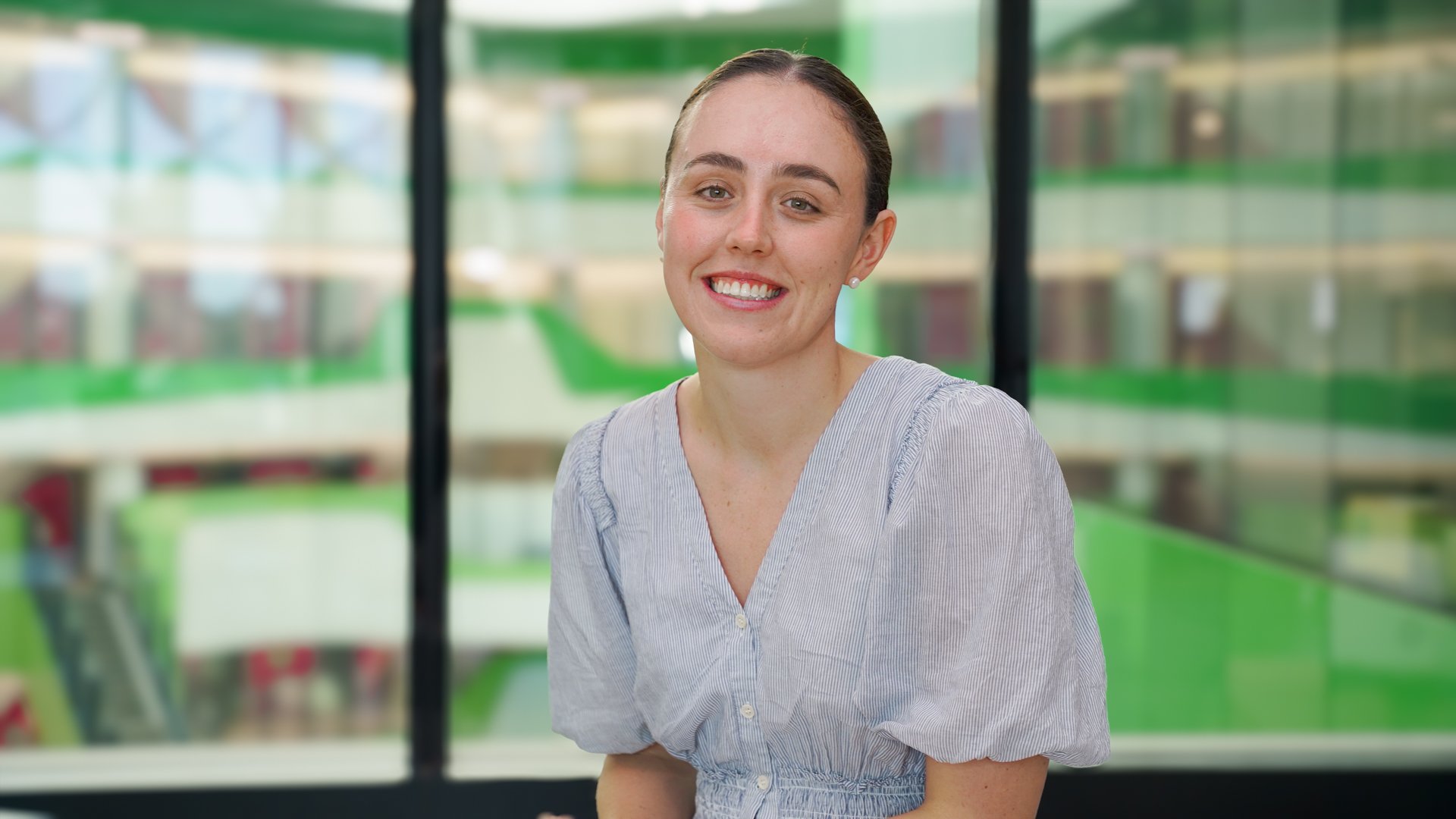
with Dr Anna Boggiss
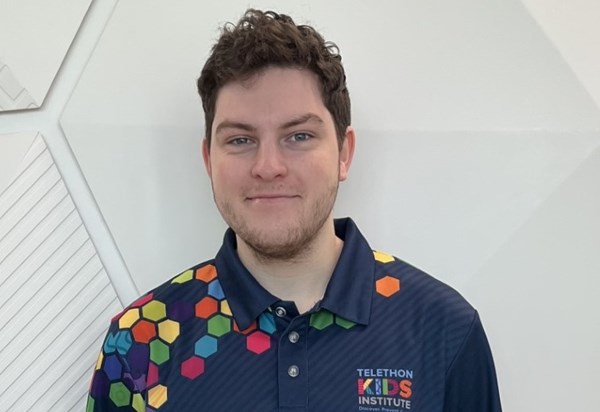
Research Assistant - Peter Delaney
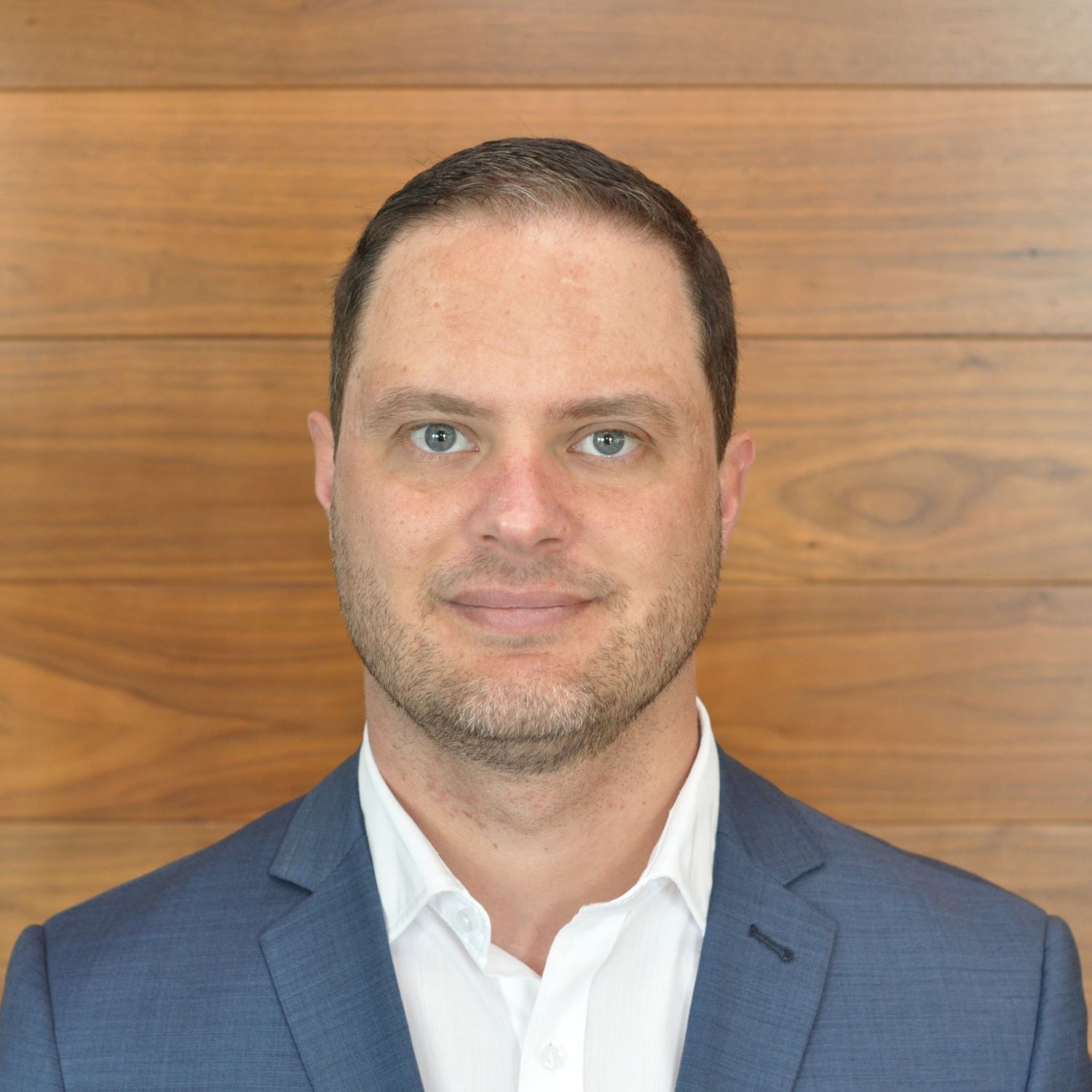
Dr Jeffrey Cannon is a Health Economist at The Kids Research Institute Australia. Jeff completed his PhD in health economics at the University of Western Australia. His work in health and medical research spans across maternal and newborn health, infectious diseases and more recently, childhood onset diabetes.
Virtual Scientific Launch Day: Wednesday 1 December 2021 (Australia) Time: 7am Australian WST/ 10am Australian EDST / 12pm NZ DST North America:

Parents of young children with type 1 diabetes experience significantly better quality of life and reduced fear of hypoglycaemic episodes when given remote access to their child's continuous glucose monitoring, new Children's Diabetes Centre research has found.

Oliver Bowman is too young to understand the enormity of having type 1 diabetes but his young parents Brooke and Aidan know all too well the reality of having a child with a chronic disease.