
Search
Showing results for "Childhood interstitial lung disease "
The study aims to determine whether an RSV vaccine given to pregnant women during the third trimester can protect newborn babies from RSV infections.
We are looking for Aboriginal parents who are passionate about lung health to join the Aboriginal Advisory Committee (AAC) for our Kids Easy Breathing Study (KEBS). Research shows 1 in 5 Aboriginal* bubs in hospital for bronchiolitis (a common viral chest infection) later had serious damage to their lungs. The aim of our study is to find out why Aboriginal bubbies are more likely to develop long-term lung sickness.
In December 2016, a panel of experts was convened by the International Scientific Association for Probiotics an Prebiotics to review the scope of prebiotic.
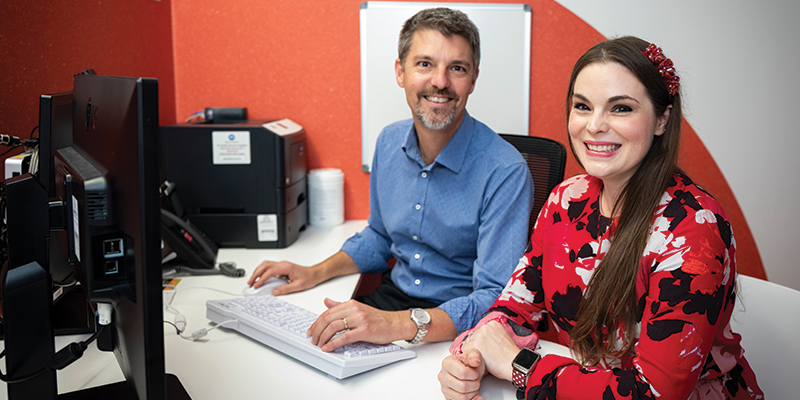
One of the biggest problems facing young people with neuromuscular disorders is the risk of breathing problems caused by muscle weakness during sleep.

Valuable support from the Stan Perron Charitable Foundation will enable The Kids Research Institute Australia researchers to commence projects on topics ranging from disability, mental health and lung disease to diabetes, Aboriginal leadership, and the development of child-focused pandemic policies.
Otitis media (OM) is among the most common illnesses of early childhood, characterised by the presence of inflammation in the middle ear cavity...
The most urgent areas appear to be to continue monitoring the emergence of novel otopathogens, and the need to develop prevention and preventative therapies
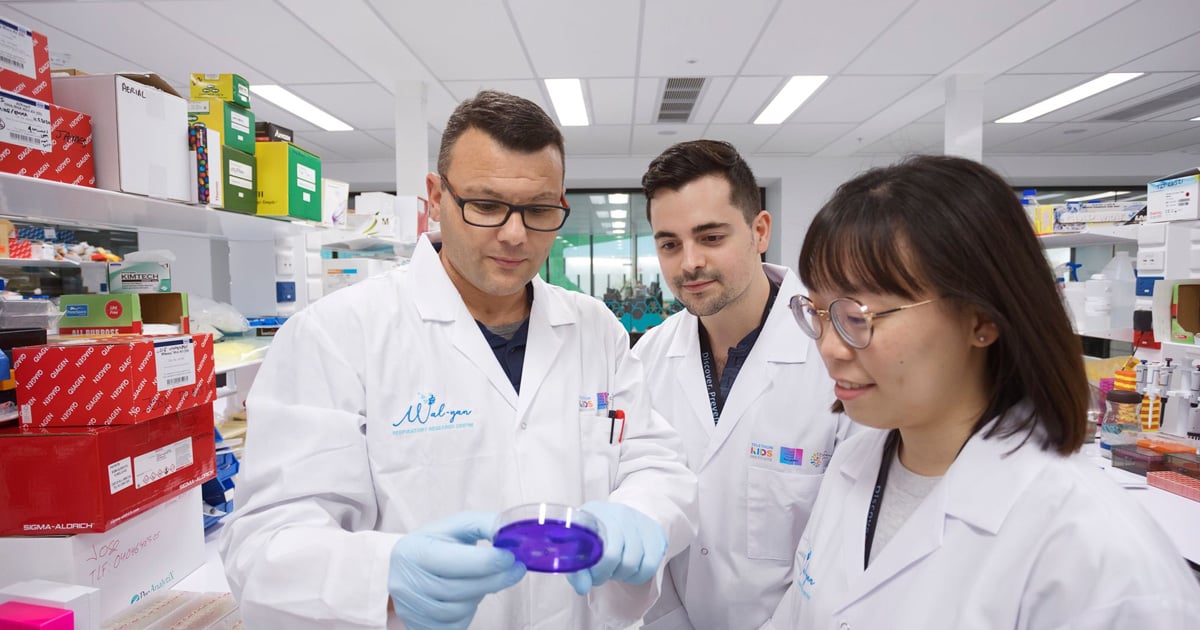
A $350,000 Cure4 Cystic Fibrosis grant is set to propel the Wal-yan Respiratory Research Centre’s Phage WA program forward, supercharging its fight against antimicrobial resistant (AMR) lung infections in people with Cystic Fibrosis (CF) using cutting-edge phage therapy.
We have started a project utilising whole genome sequencing of undiagnosed children living in WA to provide a definitive diagnosis. A major challenge here is that the role and functions of the inter-genic regions of our genome (the remaining 98%) are relatively poorly understood.
Existing clinical tools that measure non-seizure outcomes lack the range and granularity needed to capture skills in developmental and epileptic encephalopathy (DEE)-affected individuals who also fall in the severe to profound range of intellectual disability. This effectively excludes those with severe impairments from clinical trials, impeding the ability of sponsors to evaluate disease-modifying therapies.