
Search
Showing results for "mental health aboriginal"
Veterans who transition out of the military often face substantive challenges during their move to civilian life, including the management of their health, identifying opportunities for employment, contributing to the financial and emotional functioning of their household, and developing high-quality social connec
Youth with prenatal alcohol exposure (PAE) are under-recognised in the justice system, warranting improved identification. This study aimed to compare neuropsychological profiles of adolescents, with and without PAE and identify neuropsychological tasks predictive of PAE-group membership. It was hypothesised that participants with PAE would score significantly lower on neuropsychological tests.
Food marketing exposure has the potential to influence children's dietary behaviours and health status, however, few studies have identified how 'obesogenic' the outdoor food marketing environment is along public transport (bus and/or train) or walking routes that children take to school.
The objective of this study was to explore Australian children's engagement in physical activity and screen time while being cared for by their grandparents.
Findings show that indicators of a poor intrauterine environment are associated with an elevated risk of ID, while for ASD, and particularly ASD without ID,...
Children with neurodevelopmental, emotional, or behavioural challenges participate in lower levels of physical activity (PA) and subsequently have poorer physical and mental health outcomes. We sought to determine the feasibility and preliminary efficacy of a multi-component physical literacy program for children with neurodevelopmental, emotional, or behavioural challenges.
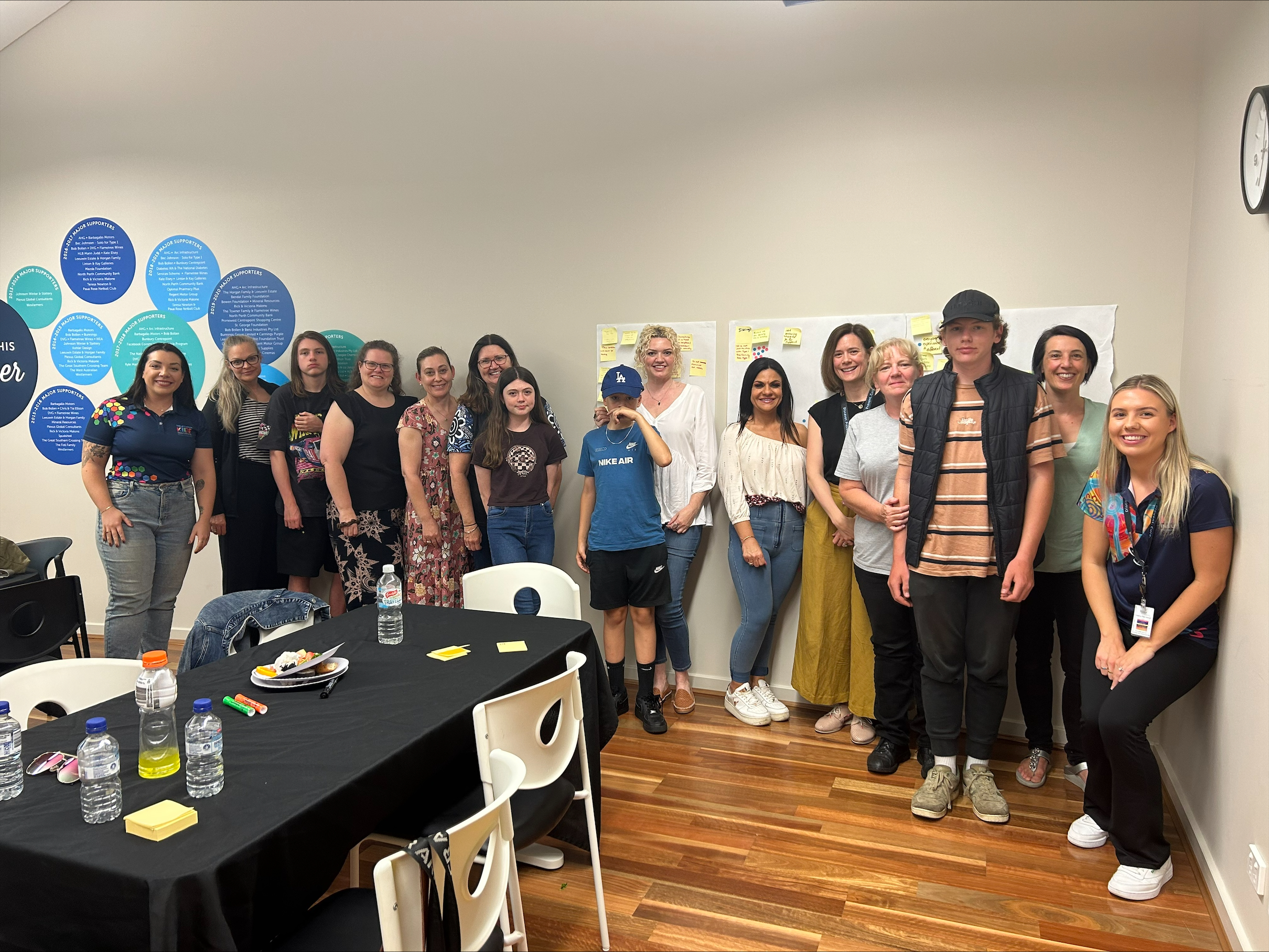
Embrace researchers and community members held conversations on the mental health and wellbeing of young people with type 1 diabetes.
Aboriginal and Torres Strait Islander children continue to be removed at high rates from their families by child protection services, placing them at elevated risk of adverse long-term life outcomes. Cultural connection in out-of-home care is essential for mitigating the impacts of trauma from removal, emphasizing the importance of ensuring that cultural planning is rigorously undertaken. This article explores the provision of cultural plans in an era where out-of-home care services are outsourced by government, but where government holds onto the responsibility for developing cultural plans for children in care.
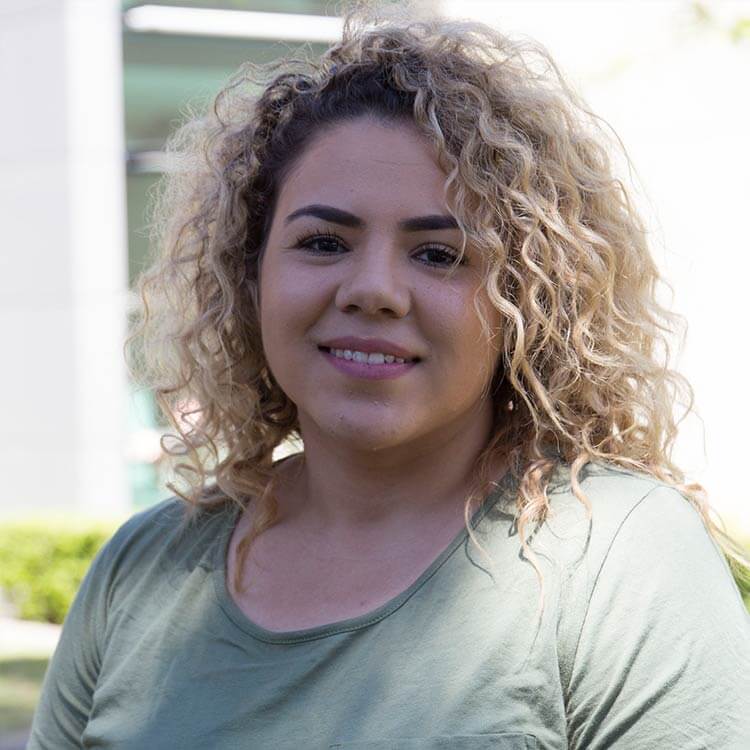
25 year old Noongar woman Tiana Culbong, a The Kids Research Institute Australia researcher, has been named as a finalist in the WA Youth Awards.
The global burden of non-communicable diseases (NCDs) continues to grow. Although developing settings face fastest growth in incidence, no country is exempt.