
Search
Showing results for "preterm birth lungs"
Globally, rates of children with physical and mental health problems are increasing. Health issues in early childhood often persist into adulthood, highlighting the need to ensure children are supported to flourish from the start of life.
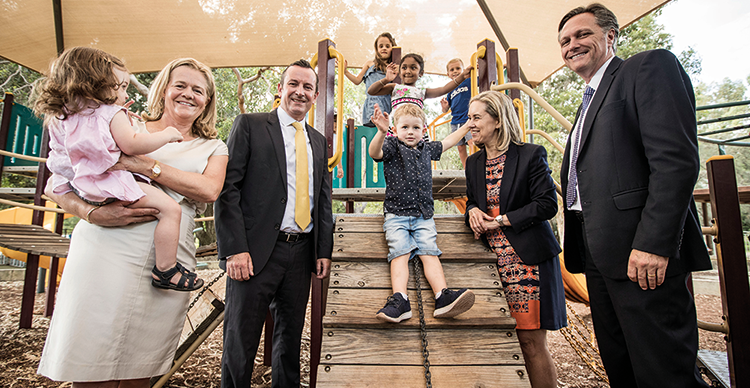
As we all know, we only get one start in life. Like the Minderoo Foundation, our partners in CoLab, we are determined to ensure that every start is a strong one for children across Australia.
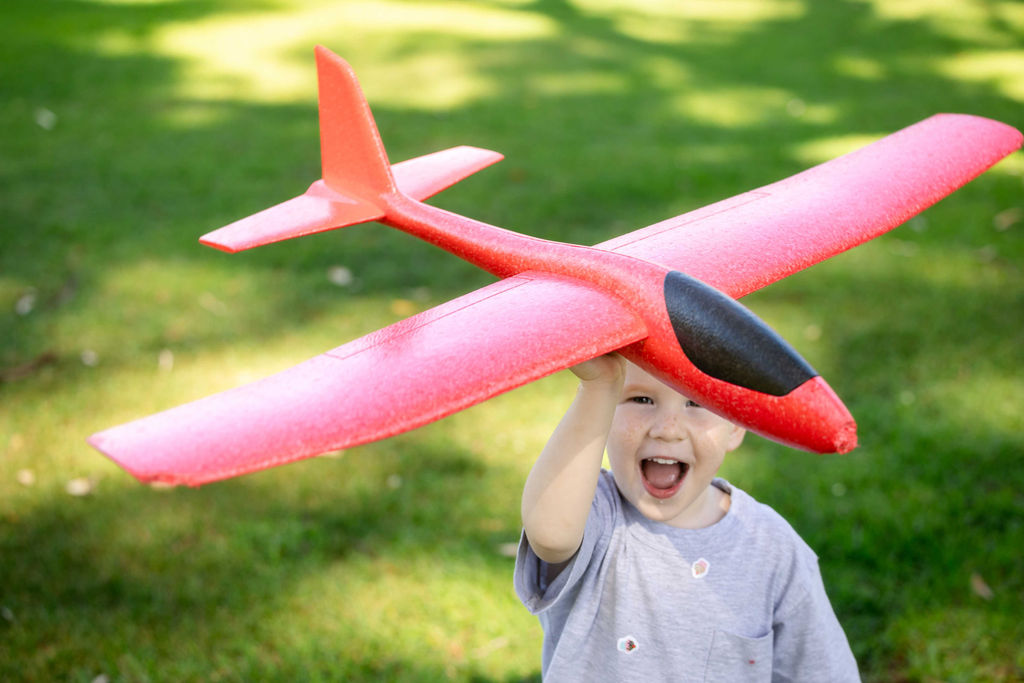
ORIGINS sub-projects investigating the impact of the physical environment and lifestyle on health, development and chronic conditions.
Play Active is a national, low-cost, evidence-based program to boost energetic play in early childhood education and care. It offers free professional development for educators.
One third of children require repeat ventilation tube insertion (VTI) for otitis media. Disease recurrence is associated with persistent middle ear bacterial biofilms. With demonstration that Dornase alfa (a DNase) disrupts middle ear effusion biofilms ex vivo, we identified potential for this as an anti-biofilm therapy to prevent repeat VTI. First, safety and tolerability needed to be measured.
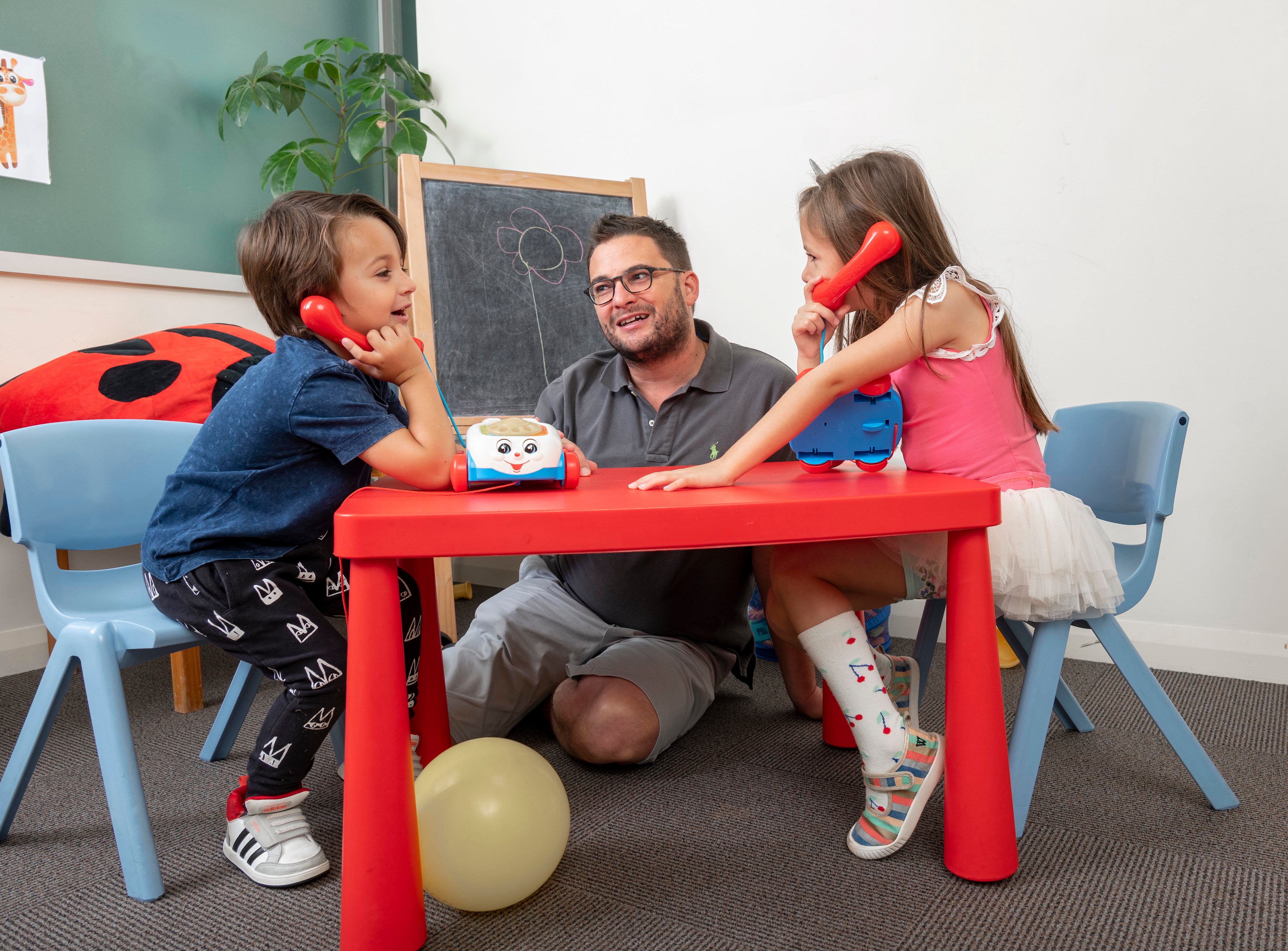
This is the second blog in our new series about what play is and its importance.
Discover the stories of children whose lives have been impacted by Telethon Kids Institute research.
The current narrative surrounding children’s health and wellbeing often focuses on adversity and dysregulation with a lack of positive messaging. However, promoting protective and buffering factors may be as important as reducing adverse exposures. While the concept of flourishing is commonly applied in the context of adults, defining what flourishing means for children in current academic literature remains unclear.
Globally, Indigenous populations have been disproportionately impacted by pandemics. In Australia, though national infection rates with COVID-19 infections in Aboriginal and/or Torres Strait Islander people were lower in the first 12 months of the COVID-19 pandemic, there was soon a greater burden in Aboriginal and/or Torres Strait Island people once Omicron was circulating. Uptake of the COVID-19 vaccine was also lower among Aboriginal and/or Torres Strait Islander people.
Aboriginal children aged younger than 5 years in Perth (Boorloo) have lower vaccine uptake compared to non-Aboriginal children.