
Search
Showing results for "lung disease preterm"

Associate Professor, Honorary Research Fellow

Head, Nutrition in Early Life
Japanese Encephalitis virus is a mosquito-borne virus that is typically only found in south-east Asia.

The Deborah Lehmann Research Award in Paediatric Infectious Disease Research is a funding mechanism to support the training and development of early- to mid-career researchers (EMCR) or Higher Degree by Research (HDR) students who are nationals from the Pacific Region working in or outside their hom

In this The Kids Research Institute Australia subsite, our Rett syndrome research team manages a national and international database of Rett syndrome.

Engaging the community in COVID-19 rapid research

Honorary Team Member - Research Nurse

Overcoming Challenges to Make Bacteriophage Therapy Standard Clinical Treatment Practice for Cystic Fibrosis Individuals with cystic fibrosis (CF)
Mesothelioma is a rare and universally fatal cancer linked to exposure to asbestos. Until recently, standard of care treatment was chemotherapy; a treatment resulting in a minimal survival extension, and not improved upon for almost twenty years. However, the advent of cancer immunotherapy – and in particular the immune checkpoint inhibitor class of drugs - has resulted in recently approved new treatment options, with more currently under investigation.
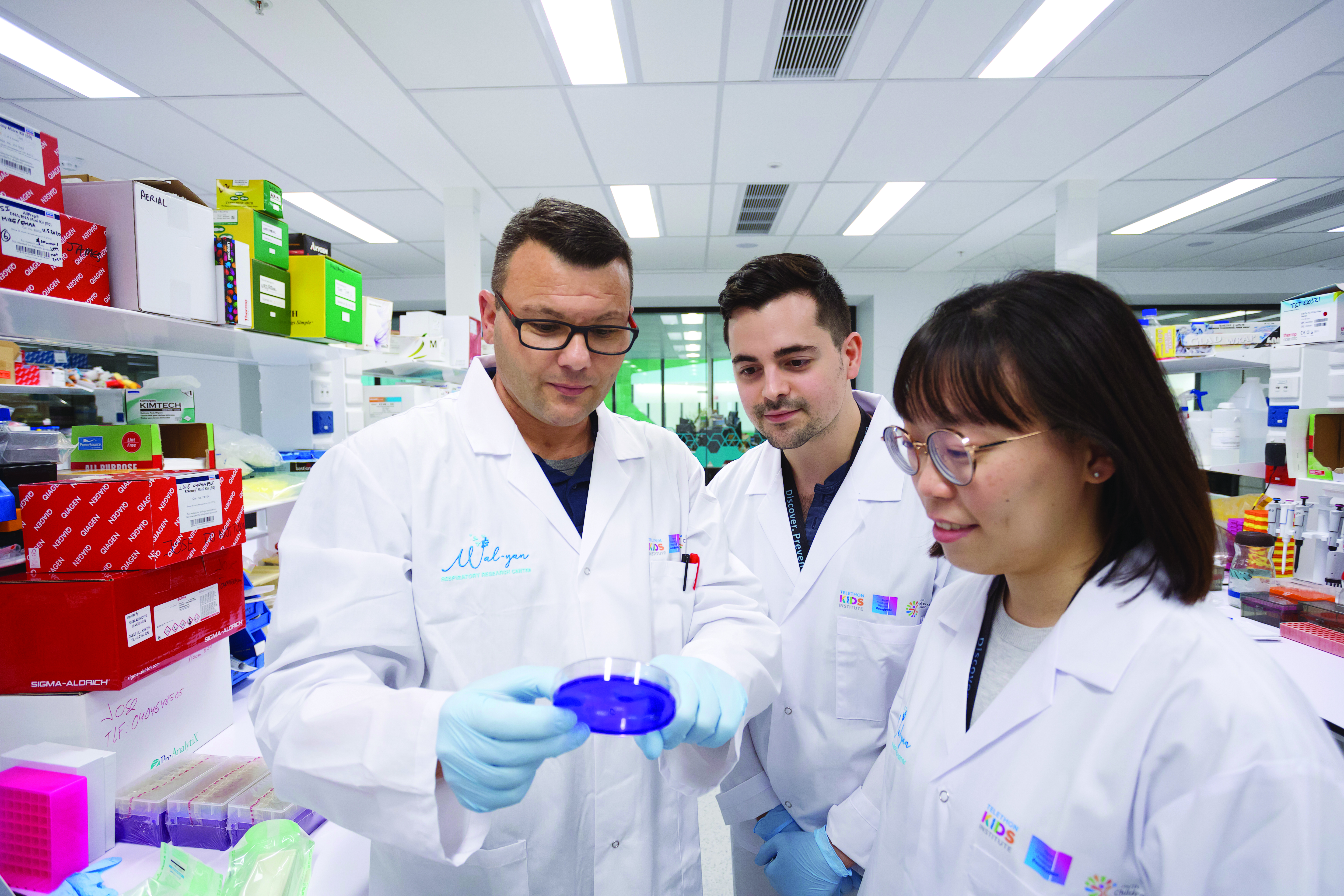
Cutting-edge work is offering new hope to children with Cystic Fibrosis.