
Search
Showing results for "mental health aboriginal"
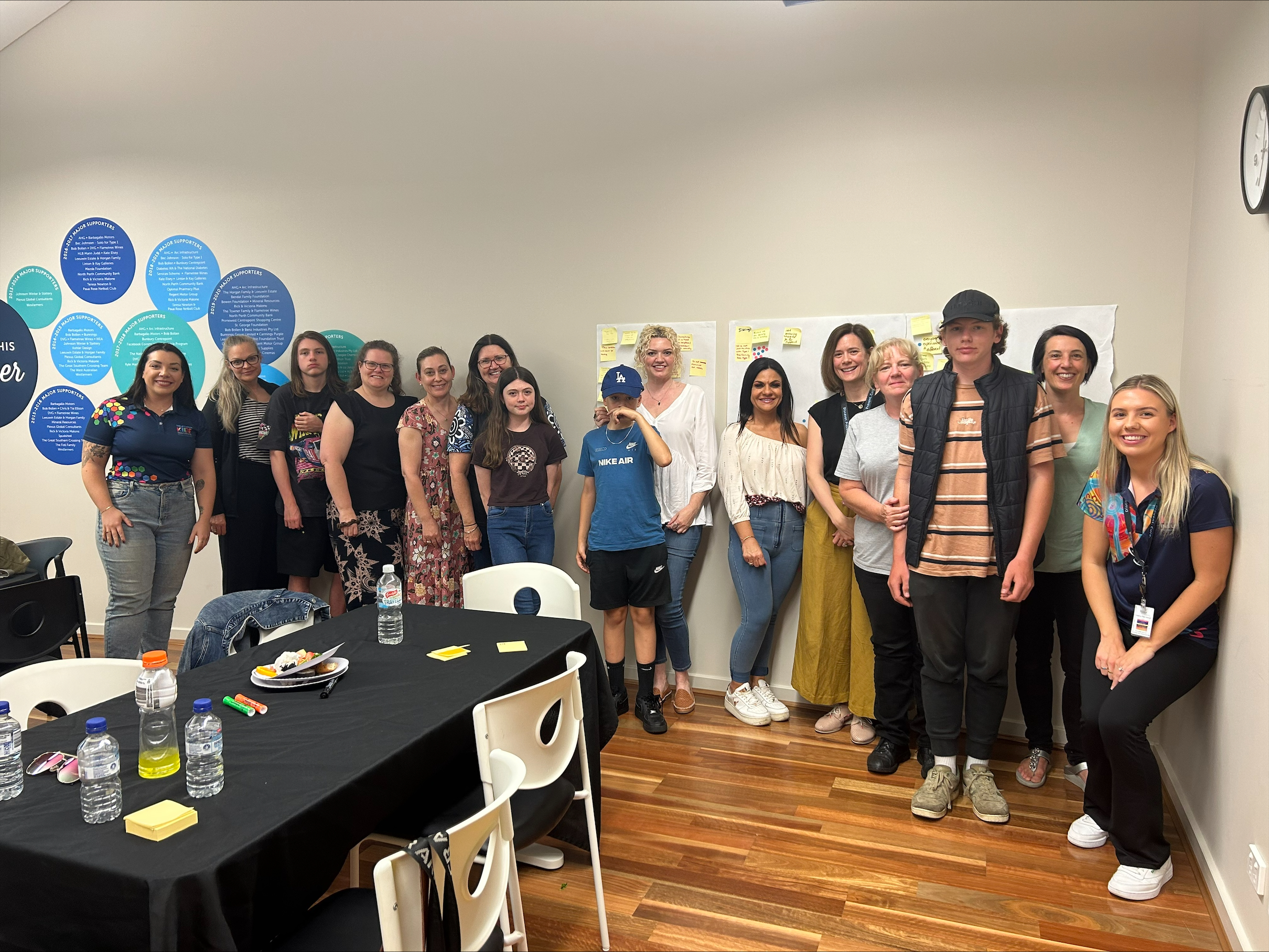
Embrace researchers and community members held conversations on the mental health and wellbeing of young people with type 1 diabetes.
One third of children require repeat ventilation tube insertion (VTI) for otitis media. Disease recurrence is associated with persistent middle ear bacterial biofilms. With demonstration that Dornase alfa (a DNase) disrupts middle ear effusion biofilms ex vivo, we identified potential for this as an anti-biofilm therapy to prevent repeat VTI. First, safety and tolerability needed to be measured.
Children with neurodevelopmental, emotional, or behavioural challenges participate in lower levels of physical activity (PA) and subsequently have poorer physical and mental health outcomes. We sought to determine the feasibility and preliminary efficacy of a multi-component physical literacy program for children with neurodevelopmental, emotional, or behavioural challenges.
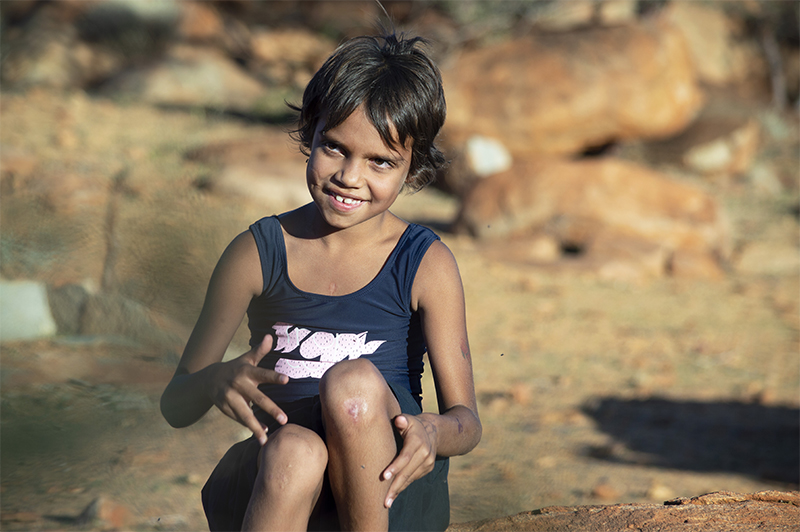
Rheumatic heart disease, a deadly yet entirely preventable heart disease taking the lives of Aboriginal and Torres Strait Islander people, is finally on the verge of elimination thanks to new research
Inadequate housing and living conditions underpin significant health and wellbeing inequality in Australia, particularly for Indigenous people. This review aimed to define infectious disease (ID) outcomes used to measure the health impact of inadequate housing in Australia within a research context.
Data linkage is the bringing together of specific datasets from different sources using demographic information on individuals within a population.
Although the timeliness benchmark is being met for Indigenous Australians in palliative care, they may experience delayed initiation of care episodes
Screening facilitates the early identification of fetal alcohol spectrum disorder (FASD) and prevalence estimation of FASD for timely prevention, diagnostic, and management planning.
Language disorder is highly prevalent in youth justice; however, orofacial, oromotor, speech, and voice anomalies have been largely overlooked. There has been some documentation of these among individuals with prenatal alcohol exposure (PAE), and adolescents with PAE are over-represented in youth justice.
Prenatal alcohol exposure (PAE) is associated with growth deficits and neurodevelopmental impairment including foetal alcohol spectrum disorder (FASD). Difficulties with oral and written communication skills are common among children with PAE; however, less is known about how communication skills of adolescents who have PAE compare with those who do not.