
Search
Showing results for "Childhood interstitial lung disease "
In cystic fibrosis, bacteria–bacteriophage interaction in the lower airways is poorly understood. We present the near-complete genome of the uncultured Siphovirus-like bacteriophage, Staphylococcus aureus phage COMBAT-CF_PAR1, isolated from the lower airways. The genome spans 41,510 bp with 33.45% guanine–cytosine content and contains 65 open reading frames.
This study aimed to investigate the information needs, priorities, and information-seeking behaviours of parents of infants newly diagnosed with CF.
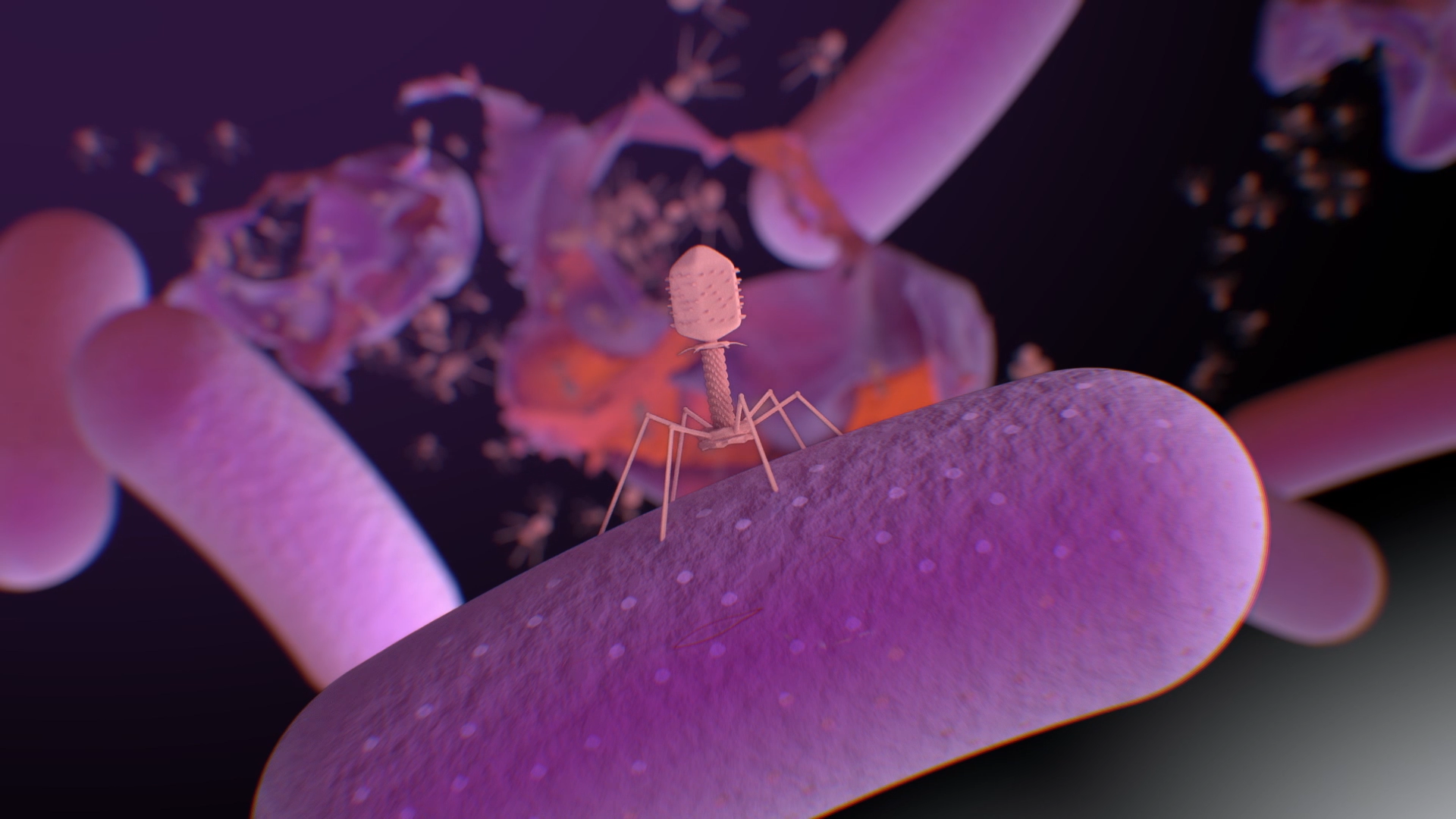
We've compiled a number of helpful links to phage resources in Australia and beyond.
Infant MLL-AF4-driven acute lymphoblastic leukemia (ALL) is a devastating disease with dismal prognosis. A lack of understanding of the unique biology of this disease, particularly its prenatal origin, has hindered improvement of survival. We perform multiple RNA sequencing experiments on fetal, neonatal, and adult hematopoietic stem and progenitor cells from human and mouse.

In Perth, The Kids Research Institute Australia is spearheading global efforts to tackle this insidious bacterium and reduce its impact on kids’ health.

One of the researchers who helped crack the code of 10-year-old Northam girl Charlotte Patterson’s incredibly rare disease has received State Government funding that will allow her to use the same methods to rapidly assess the cases of hundreds more patients living with undiagnosed disease.

Australian children diagnosed with a brain tumour now have a better chance of accessing the best treatment for their disease thanks to a trans-Tasman collaboration spearheaded by The Kids Research Institute Australia cancer researcher Professor Nick Gottardo.
We conducted a methylome-wide association study to examine associations between DNA methylation in whole blood and central adiposity and body fat distribution, measured as waist circumference, waist-to-hip ratio and waist-to-height ratio adjusted for body mass index, in 2684 African-American adults in the Atherosclerosis Risk in Communities study.
This article focuses on IgE-mediated food allergies and allergic rhinitis, the most commonly seen conditions in paediatric immunology.
Childhood obesity is one of the most serious public health challenges of the 21st century and is affected not only by individual choice but also by societal and environmental influences. Childhood obesity is higher in children living in regional and remote compared with major cities, in one-parent families and for those with a disability.