
Search
Showing results for "mental health aboriginal"
The aim of this project was to identify the top 10 priorities for childhood chronic conditions and disability (CCD) research from the perspectives of children and young people with lived experience, their parents and caregivers and the professionals who work with them.
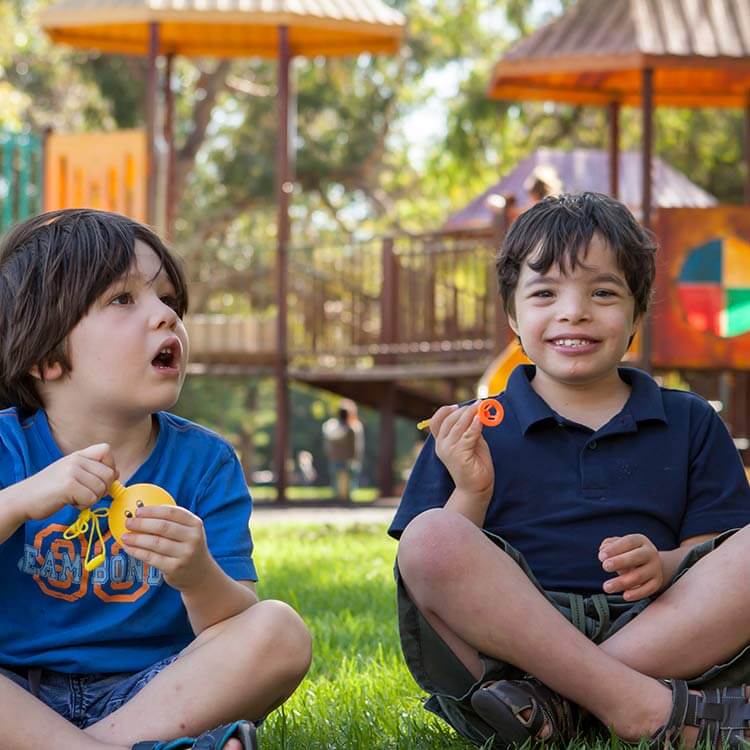
Improving the lives of children with a disability and their families sits at the core of our team.
Mothers of children with intellectual disability or autism spectrum disorder (ASD) have poorer health than other mothers.
The highest risk of SIDS occurred when a maternal alcohol diagnosis was recorded during pregnancy or within 1 year postpregnancy.
We hope that through earlier diagnosis and treatment of muscle weakness during sleep, we can prevent future lung failure in children with neuromuscular disorders.
This study explored how children and adolescents with a neuromuscular disorder (NMD) and their parents experienced barriers and enablers to the child's participation.
Aboriginal and Torres Strait Islander children continue to be removed at high rates from their families by child protection services, placing them at elevated risk of adverse long-term life outcomes. Cultural connection in out-of-home care is essential for mitigating the impacts of trauma from removal, emphasizing the importance of ensuring that cultural planning is rigorously undertaken. This article explores the provision of cultural plans in an era where out-of-home care services are outsourced by government, but where government holds onto the responsibility for developing cultural plans for children in care.
The global burden of non-communicable diseases (NCDs) continues to grow. Although developing settings face fastest growth in incidence, no country is exempt.

The END RHD CRE is producing a costed, step-wise strategy to end rheumatic heart disease (RHD) as public health priority in Australia.
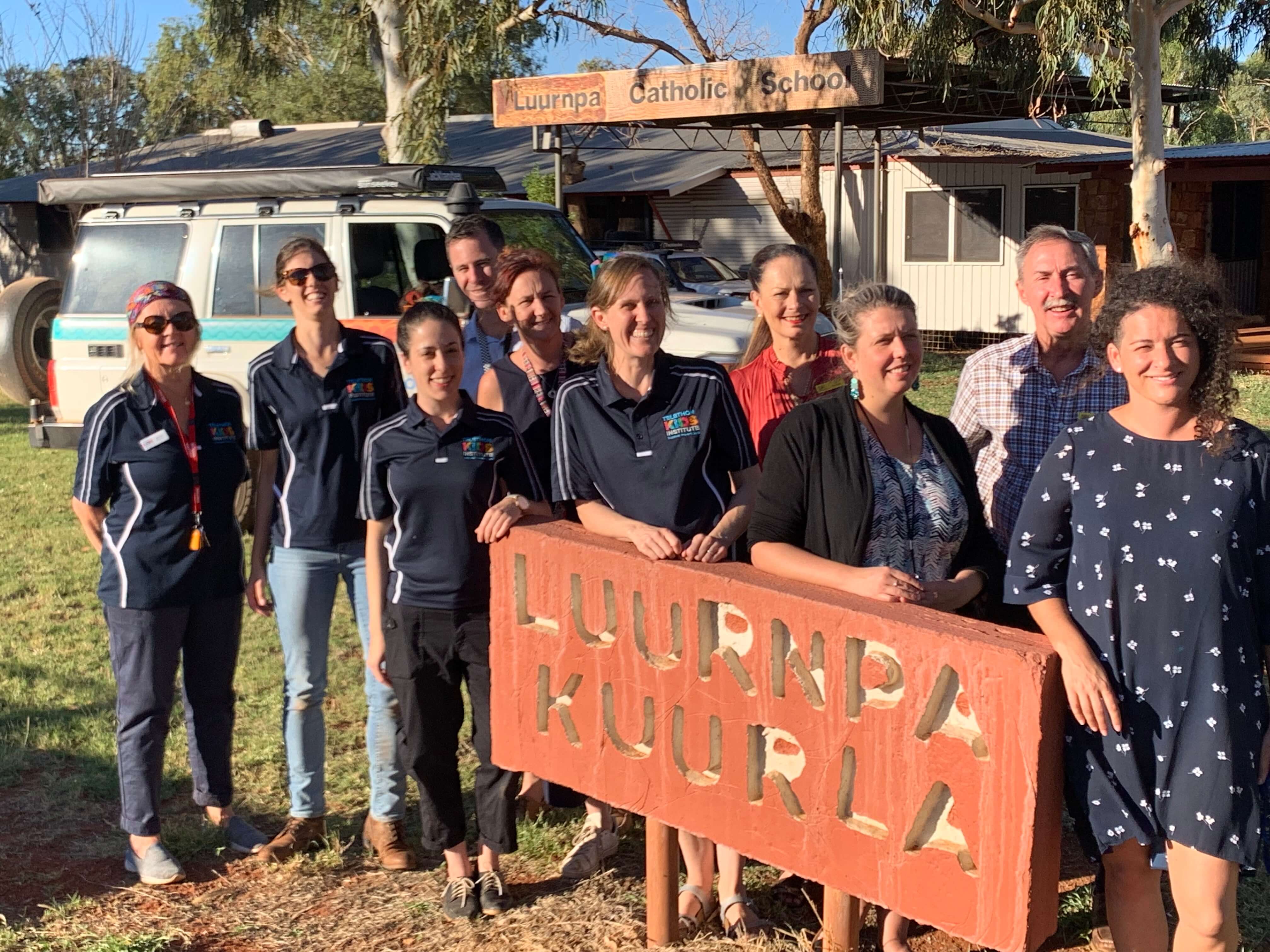
The The Kids Skin Health team has a busy six weeks ahead - visiting nine communities throughout the Kimberley region of WA as part of the first school surveillance activities for the SToP Trial.