
Search
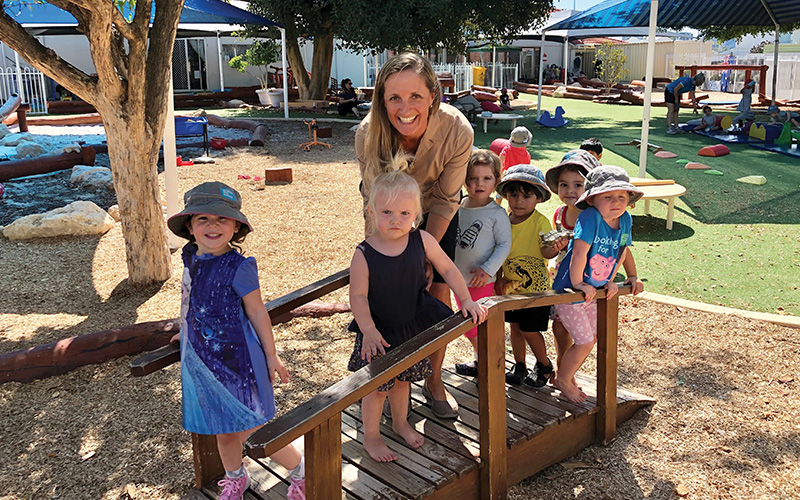
Not too long ago, if you had mentioned physical activity to educators at the Sonas Early Learning & Care centres run by Shelley Prendergast, they would automatically have reached for the trusty old obstacle course.

A series of suicides among young people south of Perth in 2016 sparked a major overhaul of how support is offered to the people left behind after someone takes their own life.

An interactive Child Development Atlas is giving policymakers, planners and services easy access to important data about the health and wellbeing of WA families.
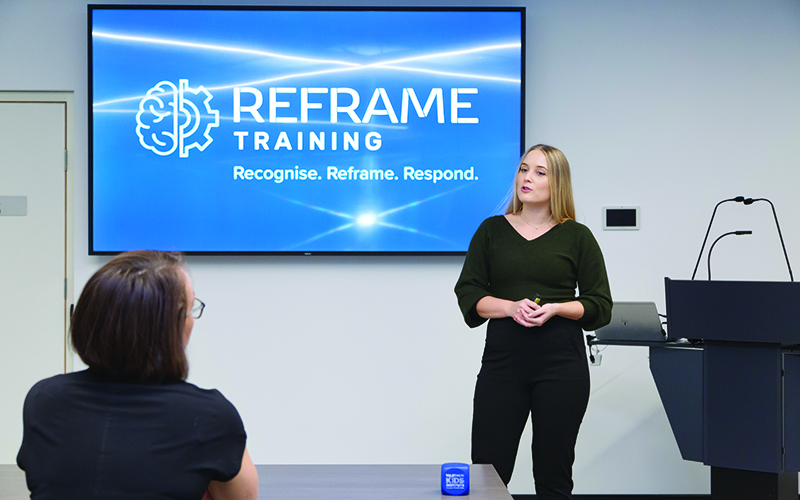
Findings from the Banksia Hill Project revealed 89% of young people in detention who were assessed as part of the project had at least one form of severe neurodevelopmental impairment.

One third of Australia’s children will be better supported at school, thanks to a The Kids Research Institute Australia evidence review of what works best to support student behaviour needs.
Food allergies have become more common in our community, with up to one in ten young children now affected. Reactions can range from mild hives to life threatening anaphylaxis and breathing difficulties. The most common food allergies are to egg, peanut, tree nuts, cow’s milk, fish, shellfish, sesame, wheat and soy.
PICOBOO is a randomised, adaptive trial evaluating the immunogenicity and reactogenicity of licensed COVID-19 booster vaccines in immunocompetent individuals >12 years old. Here, we present data for seven different vaccines among three pre-specified participant strata defined by age and primary vaccine schedule.
To evaluate whether the General Movement Assessment in infancy is associated with later cognitive outcomes from early childhood through adulthood.
Acute lymphoblastic leukaemia (ALL) is one of the most treatable forms of paediatric cancer; however, there is a substantial burden of treatment-related toxicities (TRTs). In addition, the long-term changes in children's health-related quality of life (HRQoL) due to toxic treatments are not well understood.
Children are particularly vulnerable to air pollution, but the effects of early life exposure to acute, high-intensity pollution on later lung function remain poorly understood. We assessed the association between prenatal or infant exposure to fire-related fine particulate matter (PM2.5) from a six-week coal mine fire and subsequent lung function.