
Search
Showing results for "1"
In this project, we aim to understand how mindfulness, compassion, and related constructs are experienced by Aboriginal people in the Kimberley region of Western Australia.
Ruth Peter Thornton Richmond PhD MBBS MRCP(UK) FRACP Co-head, Bacterial Respiratory Infectious Disease Group (BRIDG) Head, Vaccine Trials Group
Gina Trapp BHSc(Hons1A), RPHNutr, PhD Honorary Research Associate Gina.Trapp@thekids.org.au ARC DECRA Fellow & Head of Food and Nutrition Research Dr
Aleksandra Filipovska FAA, FAHMS BSc PhD Louis Landau Chair in Child Health Research; NHMRC Leadership Fellow; Deputy Director, ARC Centre of

PROs update
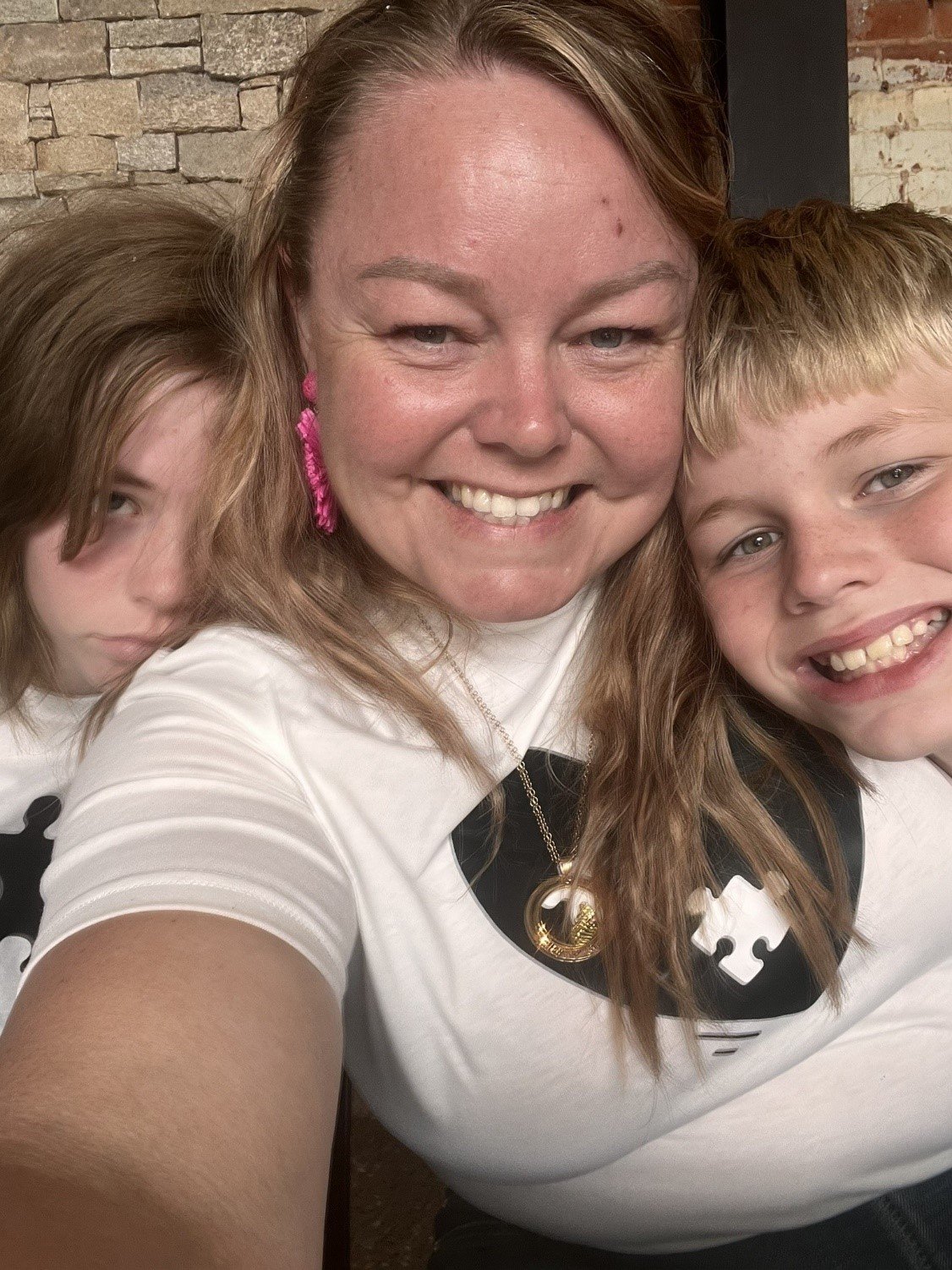
Recognising the signs of type 1 diabetes (T1D) can be tricky. Often put down to growing pains, a virus or “something going around”, a diagnosis can take some time if children aren’t severely sick and attend an emergency department.
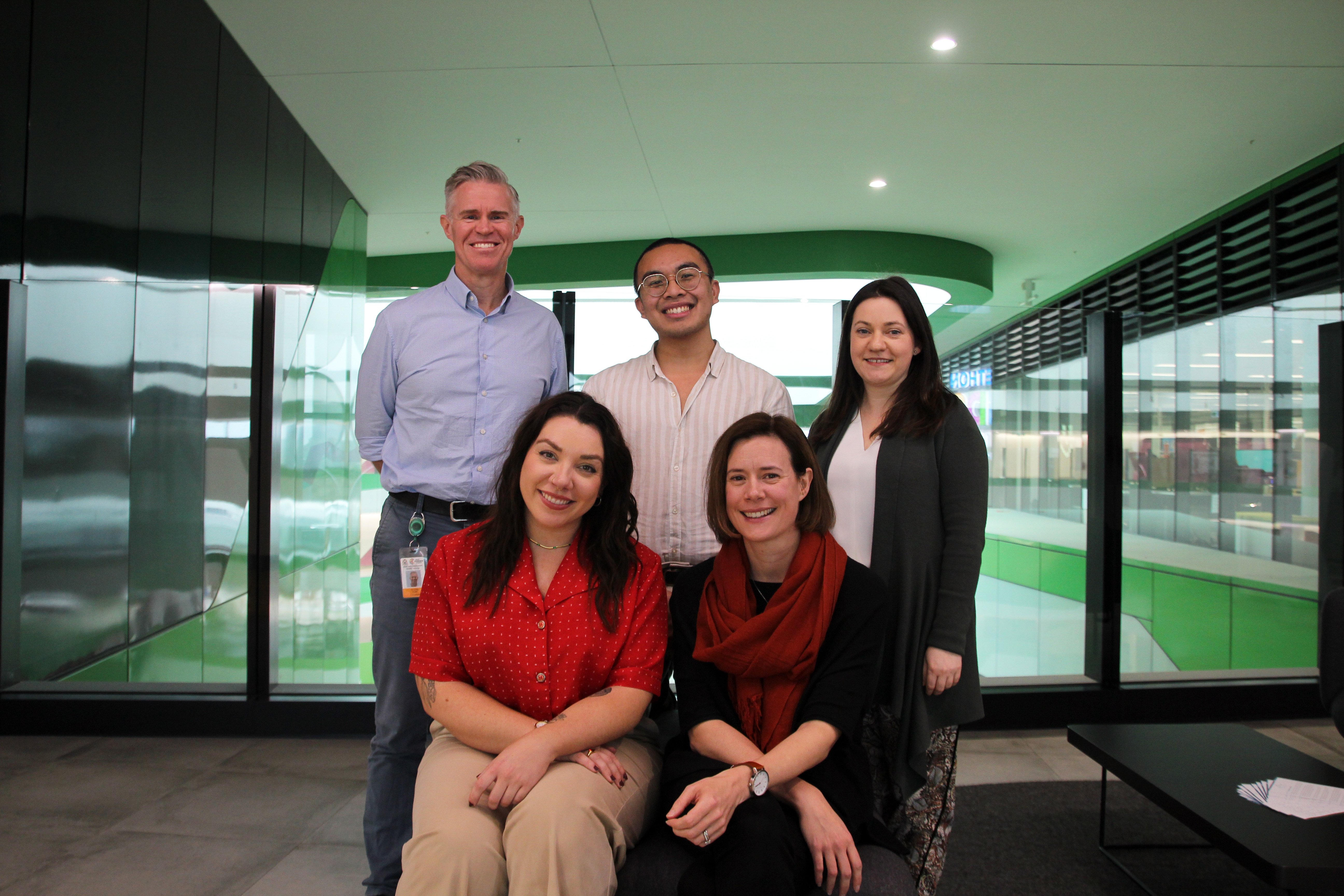
Congratulations to our Rio Tinto Children's Diabetes Centre mental health and wellbeing team who, in partnership with the Embrace childhood trauma

Love them or hate them, but sleepovers are a popular pastime for children. Understandably, parents of children living with type 1 diabetes might be hesitant to leave them in someone else’s care for an extended period, but there are ways to ensure that everyone is prepared for a safe experience.
W. Joost Ben Lizeth Rachael Tao Omar Lesterhuis Wylie Orozco Morales Zemek Wang Elaskalani BSc PhD BSc, MSc, PhD BSc (Hons), PhD PhD BSc, MSc, PhD
From 1 January 2020 to 31 December 2021, thirty-eight institutions across Australia submitted data to the Australian Group on Antimicrobial Resistance (AGAR) from patients aged < 18 years (AGAR-Kids). Over the two years, 1,679 isolates were reported from 1,611 patients. This AGAR-Kids report aims to describe the population of children and adolescents with bacteraemia reported to AGAR and the proportion of resistant isolates.