
Search
Showing results for "Childhood interstitial lung disease "
Aboriginal children are at greater risk of rotavirus disease than non-Aboriginal children and delayed vaccine receipt is substantially higher
These project websites display extended detailed information about specific research areas.
Otitis media (OM) is the leading cause of childhood hearing loss but its burden in low-middle-income countries like Papua New Guinea (PNG) is poorly understood. We aimed to determine the proportion of children aged ≤15 years attending clinics in Goroka, Eastern Highlands Province, PNG with OM and associated risk factors.
Early-life immune development is a critical factor in predicting the risk of childhood respiratory infections, asthma, and poor vaccine responses. Identifying immune endotypes that predispose children to these conditions could lead to the development of predictive biomarkers and early interventions, potentially improving long-term health outcomes.
We are looking for children and teenagers to take part in an important study investigating the effectiveness of a new combination booster vaccine designed to protect against tetanus, diphtheria, pertussis (whooping cough) and polio.
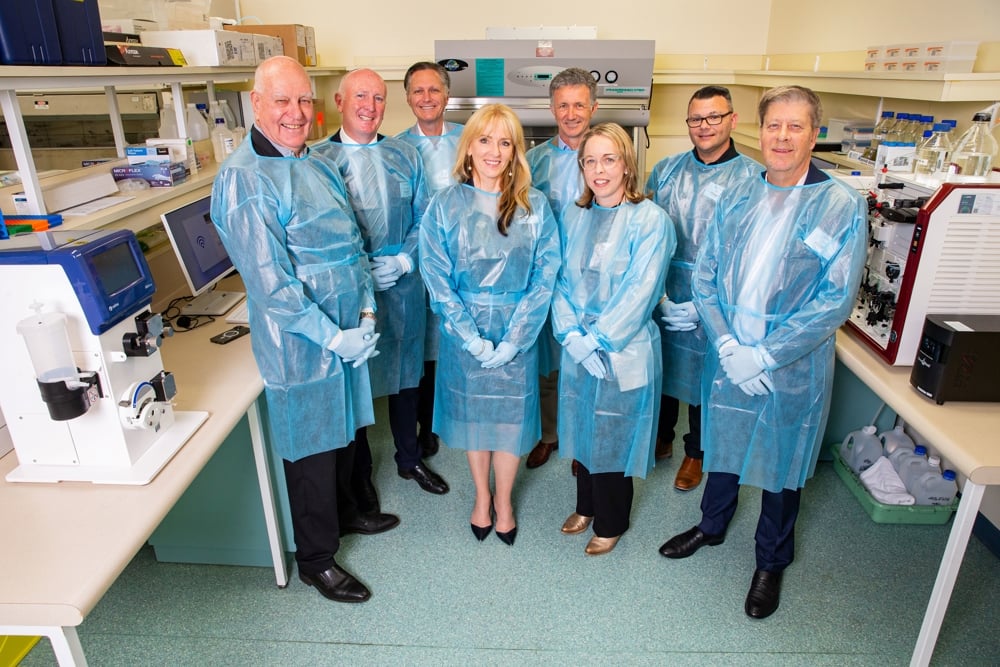
Patients battling antibiotic-resistant superbugs will soon have access to life-saving WA-made therapies that could help treat lung, skin and ear infections as well as bacterial infections like Golden Staph. Western Australia's inaugural phage manufacturing facility – spearheaded by a team at the
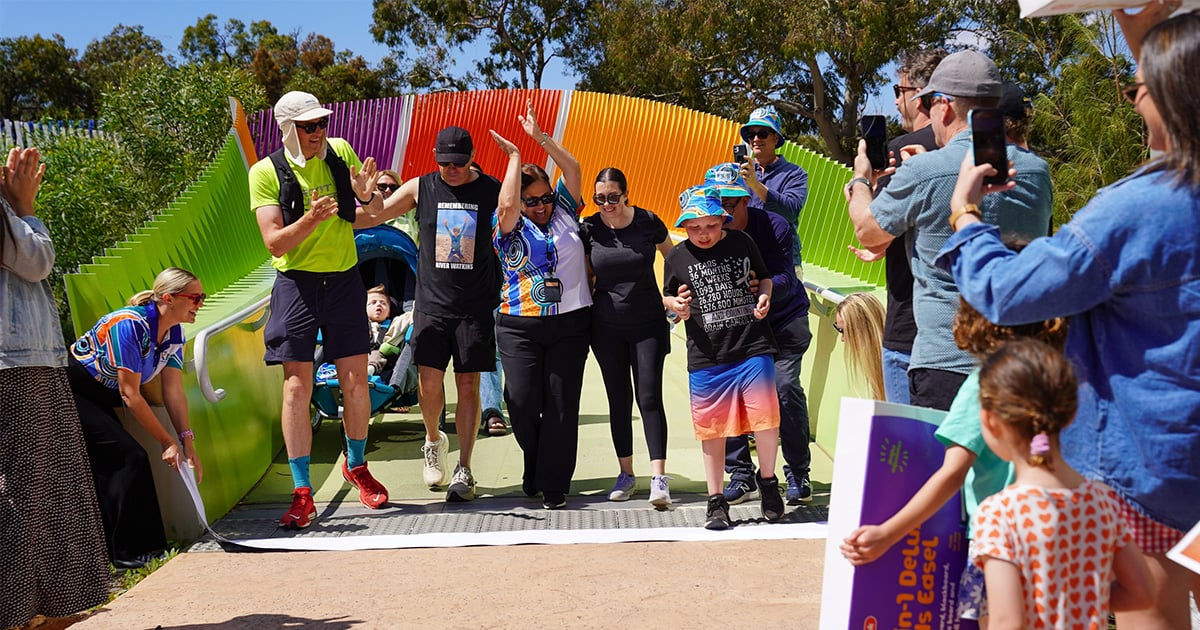
Our local legend, brain cancer researcher Jacob Byrne, has crossed the finish line of his final marathon, completing his Big Run for Little Brains - 30 marathons in 30 days, covering 1266km across Perth’s local government areas.
In cystic fibrosis, bacteria–bacteriophage interaction in the lower airways is poorly understood. We present the near-complete genome of the uncultured Siphovirus-like bacteriophage, Staphylococcus aureus phage COMBAT-CF_PAR1, isolated from the lower airways. The genome spans 41,510 bp with 33.45% guanine–cytosine content and contains 65 open reading frames.
This study aimed to investigate the information needs, priorities, and information-seeking behaviours of parents of infants newly diagnosed with CF.
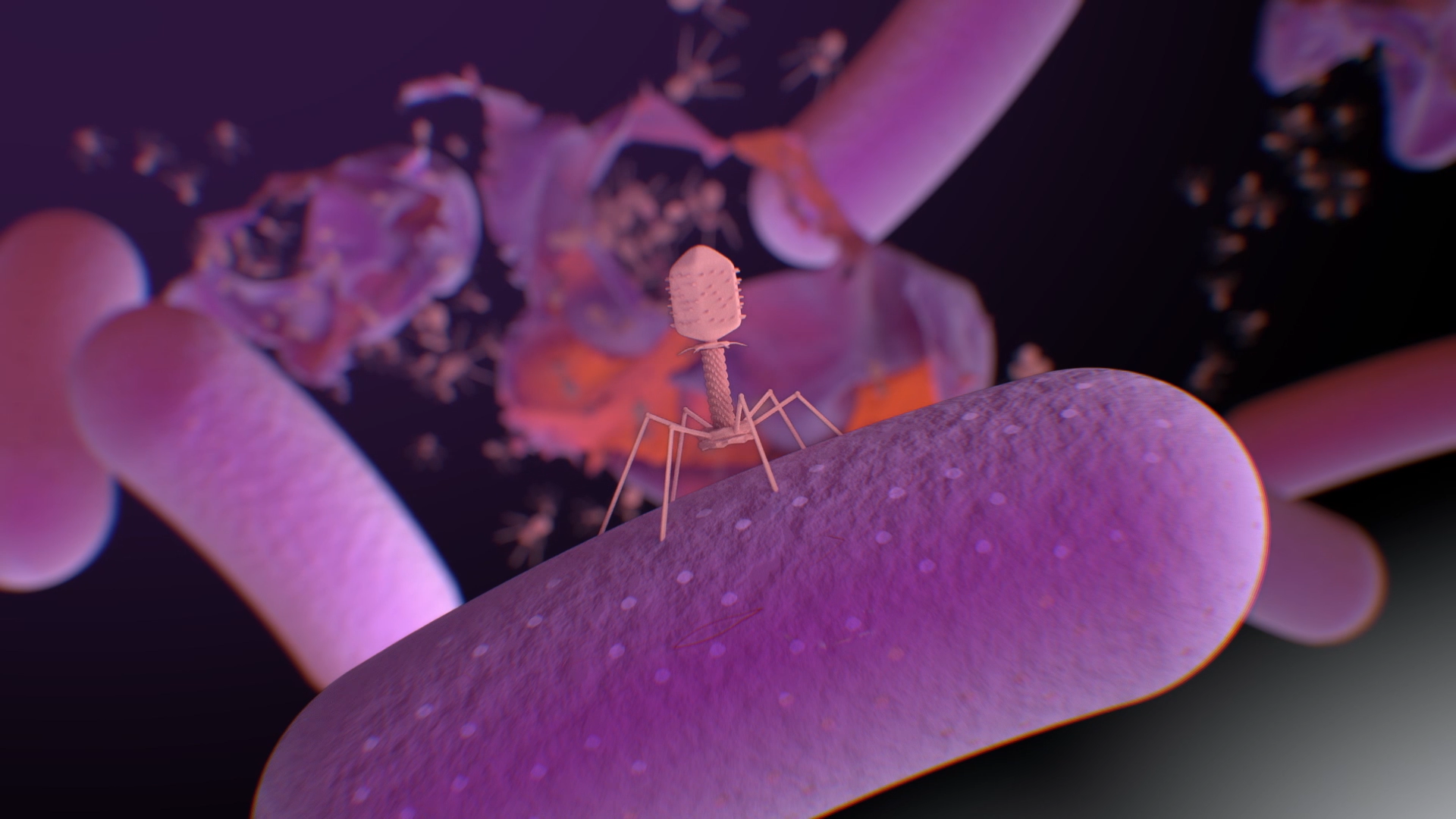
We've compiled a number of helpful links to phage resources in Australia and beyond.