
Search
Showing results for "early lung health"
Few studies exist investigating lung function trajectories of those born preterm; however growing evidence suggests some individuals experience increasing airway obstruction throughout life. Here we use the studies identified in a recent systematic review to provide the first meta-analysis investigating the impact of preterm birth on airway obstruction measured by the forced expiratory volume in 1 s (FEV1) to forced vital capacity (FVC) ratio.

ORIGINS is investigating the influence of nature, from pregnancy through the early years of childhood and its impact on later health, as part of the nature relatedness study.
Interleukin-10 is a key immunomodulatory cytokine the principal function of which is to limit the magnitude of immune response.
Anti-viral innate immune responses may be impaired in asthma, although the mechanisms are not well understood.
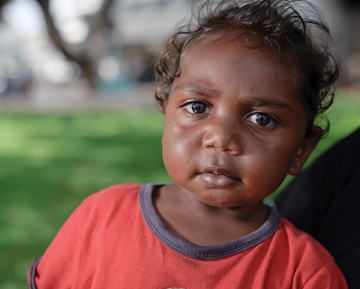
In 2016, with enabling donations from Denby Roberts, Stan Perron, Wesfarmers and Centurion, the Institute established a permanent presence in the Kimberley.
The objective was to determine the association between maternal serum 25(OH)-vitamin D concentrations and behavioural, emotional and language outcomes...

BAL Inflammatory Markers Can Predict Pulmonary Exacerbations in Children With Cystic Fibrosis Background: Pulmonary exacerbations in cystic fibrosis

Telethon Kids Institute-led research revealing that six out of 10 nicotine free e-cigarette liquids contained nicotine and other potentially harmful chemicals.
We have demonstrated that a single dose of a closely related commensal can delay onset of NTHi otitis media in vivo
The Respiratory Physiology Platform at the Wal-yan Respiratory Research Centre offers access to specialist equipment housed within the outpatient research department at Perth Children’s Hospital, dedicated for research use.